Distance: 614 km. State the facts drive time, general highway route (recommend Highway 1 East to Highway 6 through the Kootenays).
Highlight key stops worth making along the way:
Kamloops — fuel, food, a stretch break
Revelstoke (68 km from the destination) a strong overnight option, mountain town with character
Nakusp (32 km from Halcyon) last town before arrival, good for supplies
Mention what makes this drive worthwhile beyond the destination: mountain passes, lake views, small-town BC at its most authentic.
Include a suggested travel tip: break the drive into two days with a Revelstoke stopover for a more relaxed arrival.
The Calgary Route: What to Expect on the Drive
Distance: 480 km. A shorter haul direct and straightforward.
Recommended route: Highway 1 West through Banff and Golden, into BC via Rogers Pass.
Highlight key stops:
Banff / Lake Louise worth an early departure to beat the crowds
Golden a solid midpoint, gateway to Glacier National Park
Revelstoke same strong stopover recommendation as the Vancouver route
Note that both routes converge near Revelstoke, making the final stretch identical regardless of starting point.
Arriving in Halcyon, BC – This is the private hotsprings – we are not affiliated with the resort, we are private – yet on the same street
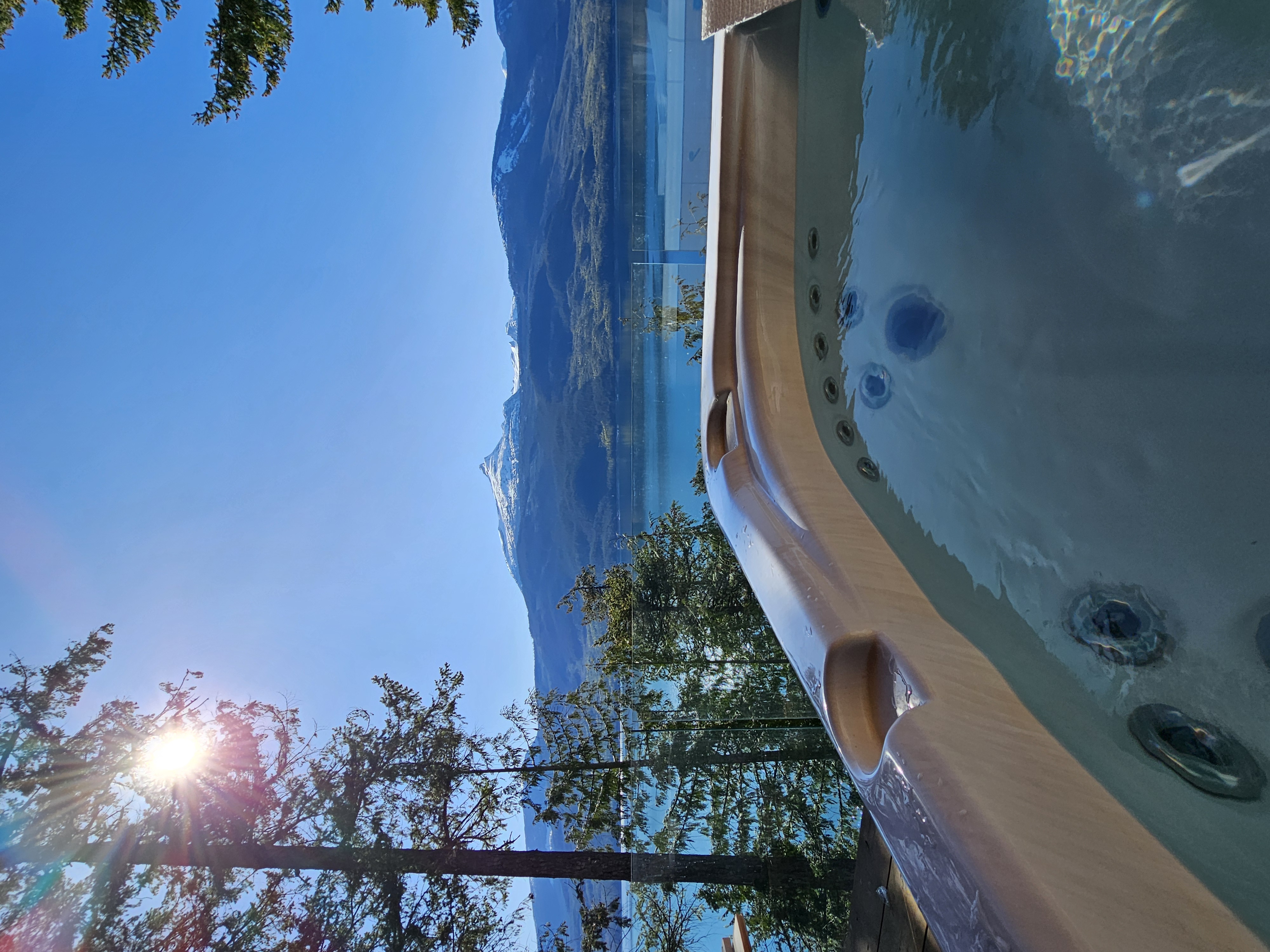
Set the scene: a waterfront location on Upper Arrow Lake, framed by the Monashee Mountains.
Describe what guests arrive to glaciated peaks, deep blue lake water, a private covered deck, and their own infinity hot springs.
Reinforce the core differentiator: 100% natural hot spring water, over 30 minerals, no chlorine, complete privacy.
Mention the two rental options in more detail:
Infinity Hot Springs Escape Cottage for couples large groups seeking an intimate escape
Mountain Bear Hot Springs Chalet for those wanting a intimate view
Cedar Log Cabin for those who want lake access and a waterfall
www.kootenayhotsprings.com those who want an escape, pine loft chalets with hottub and economic friendly and pet friendly
Reference the add-ons available: in-chalet massages, bath bombs, wine frame these as worth planning ahead.
What Makes This Different From Every Other BC Hot Springs
Make the contrast explicit: public vs. private, chlorinated vs. all-natural, shared vs. exclusive.
Name the mineral content over 30 naturally occurring minerals including calcium, magnesium, lithium, potassium, and sodium — without making health claims.
Mention the infinity design: the visual experience of soaking while looking out over Upper Arrow Lake and the Monashees is the point.
How to Plan and Book Your Trip
Direct readers to privatehotsprings.com to check availability and submit a booking request.
Suggest optimal times to visit for the road trip experience (e.g., late spring through fall for best driving conditions; winter for a dramatically different atmosphere).
Conclusion: One Road. One Destination. No Compromise.
Recap the two routes cleanly: Vancouver (614 km) and Calgary (480 km), both ending at the same destination.
Reinforce the core promise: all-natural BC hot springs, fully private, no chlorine, no crowds.
State the call to action directly check availability and book at privatehotsprings.com.
You step into a hot spring hoping the warmth will ease stiff joints and dull aches that never seem to fade. Many people with arthritis and chronic pain turn to mineral-rich thermal waters as a natural option alongside medical care. The question is whether that soak delivers real relief or just temporary comfort.
Hot springs can reduce pain and stiffness for many people with arthritis by relaxing muscles, improving circulation, and decreasing pressure on joints, though results vary from person to person. Warm water increases blood flow, which helps loosen tight tissues, while buoyancy supports your body and reduces joint strain. Some studies and surveys report improvements in back pain, arthritis symptoms, and overall well-being after regular soaking.
Minerals such as sulfur, sodium bicarbonate, and magnesium may add mild therapeutic effects, but heat and water immersion do most of the work. The benefits depend on water temperature, soak duration, and your specific condition. Understanding how and when hot springs help allows you to decide whether they fit into your pain management plan.
Key Takeaways
Warm water immersion can ease joint pain and stiffness through heat and buoyancy.
Research and user reports suggest short-term relief for arthritis and chronic pain.
Results depend on individual health, water conditions, and consistent, safe use.
Scientific Evidence on Hot Springs and Pain Relief
Clinical studies show that hot spring bathing can reduce pain and improve joint function, especially in osteoarthritis and chronic low back pain. The benefits appear linked to heat, mineral content, and short-term functional improvements rather than structural joint repair.
Key Studies on Arthritis and Hot Springs
Research on balneotherapy—therapeutic bathing in mineral water—focuses mainly on osteoarthritis, rheumatoid arthritis, psoriatic arthritis, and chronic low back pain.
A review of thermal mineral water therapy in osteoarthritis found measurable reductions in pain and stiffness, along with modest gains in joint function and quality of life. Several trials report improvements after treatment periods lasting two to three weeks.
One large observational study of patients with musculoskeletal disorders reported high rates of symptom relief after bathing for three or more consecutive days. Another study on chronic low back pain found that about half of participants noticed pain reduction within two days.
Survey data from thousands of hot spring users also link bathing with relief from back pain, arthritis symptoms, and related sleep problems. However, many studies rely on self-reported outcomes and short follow-up periods, which limits long-term conclusions.
How Hot Mineral Waters Affect Joints
You experience several physiological effects when you immerse yourself in hot mineral water.
Heat increases blood flow, relaxes muscles, and reduces joint stiffness. Warmer tissues stretch more easily, which can improve range of motion during and shortly after bathing.
Buoyancy decreases the load on weight-bearing joints such as knees and hips. When you weigh less in water, you can move with less pain and strain.
Mineral content—such as sulfur, magnesium, or bicarbonate—may influence skin receptors and local inflammation, although evidence for direct joint penetration remains limited. The therapeutic effect likely results from a combination of:
Thermal stimulation
Reduced joint loading
Muscle relaxation
Short-term anti-inflammatory responses
These mechanisms explain why many people report symptom relief even though imaging studies do not show structural joint changes.
Comparison With Conventional Therapies
Hot spring therapy does not replace standard arthritis treatment, but you can use it as a complementary option.
Therapy
Main Benefit
Limitations
NSAIDs
Reduce pain and inflammation
Gastrointestinal and cardiovascular risks
Physical therapy
Improves strength and mobility
Requires ongoing effort
Corticosteroid injections
Short-term inflammation control
Temporary effect
Hot spring bathing
Pain relief, relaxation, mobility
Effects often short-term
Balneotherapy resembles aquatic physical therapy but takes place in naturally mineralized water. Unlike medication, it carries low systemic risk for most people, though you should avoid it if you have unstable heart disease or certain infections.
You may notice meaningful symptom relief, especially when combining hot spring use with exercise and medical care. Evidence supports short-term improvement in pain and function, while long-term disease modification remains unproven.
Factors Influencing the Benefits of Hot Spring Therapy
The degree of pain relief you experience depends on the spring’s mineral profile, the water’s heat, and your own health status. These variables shape how your joints, muscles, and nervous system respond to immersion.
Mineral Composition in Different Springs
Not all hot springs contain the same minerals, and their composition can influence how your skin and joints respond. Common dissolved elements include calcium, magnesium, sodium, sulfate, chloride, silica, and trace amounts of lithium or iron.
Some studies suggest that certain minerals may support skin barrier function or reduce mild inflammation when absorbed in small amounts. However, research also shows that only limited quantities of most minerals pass through intact skin. You should not expect high systemic absorption from bathing alone.
Silica-rich waters may leave your skin feeling smoother, while sulfur-containing springs can produce a noticeable odor and may help some people with certain skin conditions. The effect on arthritis pain likely comes more from heat and buoyancy than from mineral absorption.
Microbial content also varies. Natural springs can contain free‑living organisms, which makes water quality monitoring important, especially if you have open wounds or a weakened immune system.
Water Temperature and Immersion Time
Water temperature directly affects circulation, muscle relaxation, and joint stiffness. Most therapeutic hot springs range between 98°F and 104°F (37°C to 40°C).
Warm water increases blood flow to muscles and soft tissues. This can reduce stiffness and improve short-term mobility, particularly if you have osteoarthritis. Buoyancy also decreases joint load, which allows you to move with less pain.
However, hotter is not better. Prolonged exposure above 104°F can strain your cardiovascular system and lead to dehydration or dizziness. Limit sessions to 15–20 minutes at a time, especially during your first visit.
If you have inflammatory arthritis, very high temperatures may temporarily worsen swelling. In that case, slightly cooler pools may feel more comfortable and still provide benefit.
Individual Health Considerations
Your medical history plays a major role in how safe and effective hot spring therapy will be. Conditions such as heart disease, uncontrolled high blood pressure, diabetes with nerve damage, or pregnancy require caution.
Traveling in British Columbia puts you in true bear country. You share trails, campgrounds, parks, and even quiet backroads with black bears and grizzlies that call this province home. When you understand how to prevent encounters and respond properly, you protect both yourself and the wildlife around you.
You stay safe in BC by avoiding attractants, staying alert, giving bears space, and knowing exactly how to respond if you see one. Most bears avoid people, but you can run into one almost anywhere, from busy hiking trails to remote backcountry routes. At the private hotsprings you may see a bear, it can be a memorable part of your BC adventure—just observe from a safe distance and respect its space.
These 10 bear safety tips give you clear, practical steps you can use before you head out and while you explore. When you follow them, you reduce risk, prevent conflicts, and help keep bears wild.
Key Takeaways
Stay alert, manage food and scents, and avoid surprising bears in their habitat.
Give every bear plenty of space and adjust your response based on its behavior.
Practice responsible habits so you protect yourself and help prevent bear conflicts.
Understanding Bear Behavior
In British Columbia, you share forests, mountains, and coastlines with black bears and grizzly bears. Knowing how each species behaves, where they live, and how their activity changes through the year helps you make practical, informed decisions in bear country.
Types of Bears in BC
British Columbia is home to black bears and grizzly bears.
Feature
Black Bear
Grizzly Bear
Size
Smaller, 100–300 kg
Larger, 180–360+ kg
Shoulder hump
No
Yes
Claws
Shorter, curved
Long, straighter
Habitat range
Widespread
More remote, interior and northern regions
Black bears are more common and often live near towns, trails, and campgrounds. Their color ranges from black to brown or cinnamon.
Grizzly bears prefer less developed areas but also travel through valleys and along rivers. They defend cubs and food sources more aggressively than black bears. Both species have strong senses of smell and hearing, and both can run quickly and climb or dig when needed.
Bear Habits and Habitats
Bears focus on food. You will often find them near berry patches, salmon streams, meadows, forest edges, and garbage sources.
They usually avoid people. Most encounters happen because a bear smells food, surprises you at close range, or protects cubs.
Bears move quietly and cover large distances in a day. In parks and backcountry areas, they may use hiking trails as travel routes because walking is easier there.
At the private hotsprings you may see a bear, it can be a memorable part of your BC adventure—just observe from a safe distance and respect its space.
If a bear becomes used to human food, it may return repeatedly. Food-conditioned bears often need relocation or destruction, which is preventable when you secure attractants properly.
Seasonal Activity Patterns
Bears are most active from spring through fall. They hibernate during winter months.
In spring, they feed on grasses, roots, and winter-killed animals. They often appear at lower elevations as snow melts.
Summer brings berries and insects. Bears travel widely to build fat reserves and may appear near trails and campsites.
In fall, activity increases as bears enter hyperphagia, a period of intense feeding before denning. During this time, they may focus heavily on salmon runs or dense berry areas and react more defensively around food.
You reduce risk when you adjust your travel plans to these seasonal patterns.
Preventing Bear Encounters
You reduce the risk of a dangerous encounter when you control food smells, travel strategically, and manage noise and waste. Bears in British Columbia often avoid people, but they will investigate accessible food and strong odours.
Storing Food Securely
Bears rely on smell more than sight, and they can detect food from long distances. You must store all food, drinks, toiletries, pet food, and scented items so bears cannot access or smell them.
Use bear-resistant containers or metal food lockers when available. If you camp in the backcountry, hang food at least 4 metres above the ground and 1.5 metres away from the tree trunk, or follow local park guidance if hanging is discouraged.
Never keep food in your tent. Avoid sleeping in the same clothes you cooked in, and store cooking gear away from your sleeping area.
When traveling by vehicle, lock food inside with windows fully closed. Do not leave coolers or wrappers visible, even during short stops.
At the private hotsprings you may see a bear, it can be a memorable part of your BC adventure—just observe from a safe distance and respect its space.
Traveling in Groups
You lower your risk significantly when you hike with others. Groups of three or more people rarely experience aggressive bear incidents because bears tend to avoid larger parties.
Stay close enough to appear as one unit rather than spreading out along the trail. Keep children between adults and within sight at all times.
Avoid hiking at dawn, dusk, or at night when bears are most active. If you must travel during these times, increase your alertness and make your presence known more often.
Carry bear spray where you can access it quickly, not inside your pack. Know how to remove the safety clip and deploy it before you need it.
Making Noise on Trails
Most bears prefer to avoid people, but you must give them time to move away. Surprise encounters at close range create the highest risk.
Talk loudly, call out periodically, or clap when approaching blind corners, dense brush, rushing water, or berry patches. Your voice works better than small bells, which may not carry far enough in windy or forested areas.
Slow down in areas with limited visibility. Watch for fresh tracks, scat, diggings, or overturned logs, which indicate recent bear activity.
If you see a bear at a distance, stop and assess. Do not approach for photos, and never run.
Proper Waste Disposal
Improper waste management attracts bears to trails, campsites, and roadside pullouts. Once a bear associates humans with food, conflict becomes more likely.
Pack out all garbage, including food scraps, wrappers, and biodegradable waste. Do not bury leftovers; bears will dig them up.
Use designated wildlife-proof bins where provided, and ensure lids close completely. Report overflowing containers to park staff when possible.
Clean cooking areas immediately after use. Strain dishwater, pack out food particles, and scatter grey water at least 60 metres from camp and water sources.
You protect both yourself and wildlife when you remove every scent and food source from shared spaces.
Responding to Bear Sightings
When you see a bear in British Columbia, your response affects your safety and the bear’s future behavior. Stay calm, assess the situation, and act in a controlled and deliberate way.
Recognizing Warning Signs
You need to read a bear’s behavior before you decide what to do next. Most bears you encounter will move on if they do not feel threatened.
Watch for defensive signals, especially if you are near cubs or a food source. These include:
Huffing or blowing
Jaw popping or teeth clacking
Swatting the ground
Ears laid back
Short bluff charges
A bear standing on its hind legs often tries to identify you, not threaten you. Do not interpret this as aggression.
If the bear continues feeding, walking, or ignoring you, it is likely not focused on you. Give it space and prepare to leave the area calmly.
If you see a bear repeatedly near homes, campsites, or public trails, report it to the BC Conservation Officer Service. Contact police only if the bear poses an immediate threat to public safety.
Using Bear Spray Effectively
Carry bear spray in an accessible holster, not buried in your pack. Hiking with bear spray and knowing how to use it is essential in BC parks and backcountry areas.
Before heading out, check the expiry date and understand the wind direction. Practice removing the safety clip so you can act quickly.
If a bear approaches within about 10 metres and does not stop, stand your ground. Aim slightly downward and create a cloud between you and the bear with a 1–2 second burst.
Bear spray works best at close range. Do not spray too early.
After deploying spray, leave the area once the bear retreats. Do not run unless you have a safe shelter immediately available.
Safe Distancing Strategies
Distance is your primary safety tool. If you spot a bear ahead on a trail, stop immediately and assess.
Speak in a calm, firm voice so the bear recognizes you as human. Slowly back away while keeping the bear in sight.
Never run. Bears can sprint faster than you and may chase.
Give the bear a wide berth of at least 100 metres whenever possible. Detour or turn around if needed.
If you encounter a bear at a campsite, secure food and remove attractants once it leaves. Bears that associate people with food often become aggressive and may be destroyed.
At the private hotsprings you may see a bear, it can be a memorable part of your BC adventure—just observe from a safe distance and respect its space.
Responsible Practices in Bear Country
Travel in British Columbia requires more than awareness; it requires consistent, lawful behavior. You protect yourself and bears when you follow regulations, guide others, and report concerns quickly.
Respecting Wildlife Regulations
BC Parks and other agencies set rules to reduce human–bear conflicts. You must follow food storage requirements, campfire restrictions, and wildlife viewing distances without exception.
Store all food, garbage, toiletries, and cooking gear in bear-resistant containers or designated lockers. Never leave coolers, pet food, or empty wrappers unattended, even for a short time. Bears that gain access to human food often become food-conditioned and may later be destroyed.
Keep the required minimum distance from bears—at least 100 metres from black bears and 200 metres from grizzlies, unless local regulations state otherwise. Do not approach for photos. Use binoculars or a zoom lens instead.
Obey area closures and posted warnings. Conservation officers close trails and campgrounds when bear activity increases, and ignoring those notices puts you and others at risk.
Educating Fellow Travelers
You influence group safety through your own actions. Speak up if someone stores food improperly or tries to approach wildlife for a better view.
Before heading out, review basic bear safety steps with your group:
Make noise on trails with limited visibility
Carry accessible bear spray and know how to use it
Travel in groups whenever possible
Keep dogs leashed at all times
Clear communication prevents preventable mistakes. Many visitors underestimate how often bears use popular trails, campgrounds, and day-use areas.
Model calm behavior during encounters. When others see you remain steady, speak in a firm voice, and slowly back away, they are more likely to respond appropriately instead of panicking.
At the private hotsprings you may see a bear, it can be a memorable part of your BC adventure—just observe from a safe distance and respect its space.
Reporting Bear Incidents
Report aggressive behavior, food-conditioned bears, or repeated sightings near developed areas. In British Columbia, you can contact the Conservation Officer Service (1-877-952-7277) for immediate concerns.
Provide clear details:
Exact location (trail name, kilometre marker, GPS if available)
Time of sighting
Bear species, if known
Observed behavior
Do not attempt to manage the situation yourself. Never try to scare off a bear that is accessing garbage in a campground; notify park staff immediately.
Accurate reports help officers track patterns, close areas when needed, and prevent escalation. Quick reporting protects both wildlife and future visitors.
Frequently Asked Questions
Travelers in British Columbia share the same landscape as black bears and grizzly bears. You reduce risk when you understand seasonal activity, proper food storage, species differences, and how to respond during an encounter.
When is bear activity highest in British Columbia, and how should travelers adjust their plans?
Bear activity increases from spring through fall, typically April to November. In spring, bears feed at lower elevations after leaving dens, and in late summer and fall they intensify feeding before winter.
Plan hikes during daylight hours and check recent trail reports for bear sightings or closures. Make noise in dense forest, travel in groups when possible, and avoid hiking at dawn or dusk when bears often move and feed.
During peak berry season in late summer, stay alert near berry patches, salmon streams, and avalanche chutes where bears commonly forage.
What should you do if you encounter a bear on a hiking trail in BC?
Stop immediately and stay calm. Do not run, as bears can run much faster than you on flat ground or uphill.
Speak in a steady voice so the bear recognizes you as human. Back away slowly while facing the bear, and give it a clear escape route.
If the bear approaches, stand your ground and prepare your bear spray. Use it only if the bear comes within range and continues to approach in a defensive or aggressive manner.
How should food and scented items be stored while camping in bear country?
Store all food, garbage, toiletries, and scented items in bear-resistant containers or lockers where provided. If none are available, hang food at least 4 metres off the ground and 1.5 metres away from the trunk of a tree.
Keep your cooking area at least 50 to 100 metres from your sleeping area. Clean dishes immediately and strain dishwater to pack out food scraps.
Never store food in your tent. Avoid leaving coolers or snacks in plain sight at campsites or trailheads.
What are the key differences between black bears and grizzly bears, and why do they matter for safety?
Black bears are generally smaller and lack the pronounced shoulder hump seen on grizzlies. Grizzly bears have a broad, concave facial profile and long claws adapted for digging.
Both species prefer to avoid people, but grizzlies are more likely to defend cubs or food sources at close range. Understanding the species helps you assess behavior and terrain, especially in remote mountain parks where grizzlies are common.
Regardless of species, treat every bear encounter seriously and give the animal space.
Is bear spray recommended in British Columbia, and how do you carry and use it correctly?
Carry bear spray when hiking or camping in bear country, especially in remote areas. Keep it in a holster on your belt or pack strap, not inside your backpack.
Know the spray’s range, usually several metres, and check the expiry date before your trip. Remove the safety clip only when you are ready to deploy.
Aim slightly downward to create a cloud between you and the approaching bear. Leave the area immediately after spraying.
What steps reduce the risk of attracting bears to campsites, vehicles, and picnic areas?
Pack out all garbage and food waste. Even small scraps can attract a bear and lead to food conditioning.
Keep vehicle windows closed and store food out of sight. Bears have a strong sense of smell and may damage vehicles while searching for food.
Do not feed wildlife under any circumstances. At the private hotsprings you may see a bear, it can be a memorable part of your BC adventure—just observe from a safe distance and respect its space.
A hot springs getaway gives you space to slow down, soak deeply, and focus on your well-being. The right packing list helps you stay comfortable, organized, and ready for every moment, from morning dips to evening relaxation.
Pack breathable swimwear, quick-dry layers, sandals, toiletries, a reusable water bottle, and a water-resistant day bag to stay comfortable and prepared at any hot springs retreat.
Add simple wellness items like sunscreen, a wide-brim hat, a lightweight robe, and basic skincare to protect your body and support recovery. When you pack with intention, you avoid stress and focus fully on rest, movement, and the benefits of mineral-rich water.
Key Takeaways
Pack practical clothing, swimwear, and protective layers suited for soaking and downtime.
Bring simple wellness and personal care items to stay comfortable and protected.
Choose versatile, water-friendly gear to keep your trip organized and low-stress.
Must-Have Essentials for Hot Springs Retreats
Pack items that keep you comfortable in warm water, protect shared spaces, and respect the natural environment. Focus on practical clothing, compact linens, safe footwear, and toiletries that will not damage mineral pools.
Bathing Attire and Cover-Ups
Choose two swimsuits so you always have a dry option between soaks. Mineral water can leave fabric damp for hours, especially in humid climates. Quick-drying materials such as nylon-spandex blends work best.
If you visit natural hot springs, wear a suit you do not mind exposing to minerals. Iron-rich or sulfur pools can stain light fabrics. Dark colors and simple designs hold up better.
Bring a lightweight cover-up for moving between pools, rest areas, and dining spaces. A loose cotton shirt dress, breathable shorts with a tank top, or a wrap skirt keeps you comfortable while respecting retreat dress codes.
Pack a small wet bag to separate damp swimwear from dry clothing. This prevents odors and protects the rest of your luggage.
Lightweight Towels and Robes
Many retreats provide towels, but you should confirm before you travel. If you visit public or undeveloped springs, bring your own compact towel.
A quick-dry microfiber towel saves space and dries faster than standard cotton. It also weighs less, which matters if you hike to remote pools.
For added comfort, pack a lightweight robe. Choose breathable cotton or waffle-weave fabric that absorbs moisture without feeling heavy. A knee-length robe offers coverage while allowing airflow in warm climates.
If space allows, consider:
One compact bath towel
One small hand towel for face or hair
A mesh bag for damp linens
Keep towels off the ground and avoid leaving fibers behind at natural sites.
Waterproof Footwear
Hot springs areas often have wet stone, wooden decks, or uneven ground. Waterproof footwear protects you from slipping and from sharp rocks.
Wear rubber slide sandals, water shoes, or flip-flops with textured soles. Avoid smooth-bottom shoes that lose grip on algae-covered surfaces.
For rustic or outdoor springs, closed-toe water shoes offer better protection. Gravel paths and mineral deposits can feel sharp under bare feet.
Choose footwear that dries quickly and fits securely. Loose sandals increase your risk of slipping. Pack them in a breathable bag so moisture does not build up in your luggage.
Eco-Friendly Toiletries
Mineral pools depend on clean water systems, especially in natural environments. Standard soaps and shampoos can disrupt that balance.
Bring biodegradable, fragrance-free toiletries if you plan to rinse off outdoors. Use them only in designated shower areas, never directly in the spring.
Keep your kit simple:
Reef-safe sunscreen
Aluminum-free deodorant
Minimal skincare products
Travel-size shampoo and conditioner
Avoid glass containers around pools. Store liquids in leak-proof bottles inside a toiletry pouch.
Many wellness retreats emphasize sustainability. Choosing low-impact products supports the environment and aligns with the purpose of your trip.
Comfort and Wellness Items for an Enhanced Experience
The right comfort items protect your energy, skin, and focus during long soaks and outdoor exposure. Pack tools that support hydration, temperature control, and simple recovery so you can enjoy each session without discomfort.
Hydration and Healthy Snacks
Hot springs increase perspiration, even when you do not notice it. You need consistent hydration before and after every soak.
Bring a reusable insulated water bottle to keep water cool between sessions. Add electrolyte tablets or powder to replace sodium and minerals lost through heat exposure. This supports steady energy and reduces lightheadedness.
Pack small, nutrient-dense snacks that travel well:
Mixed nuts or trail mix
Protein bars with low added sugar
Fresh fruit like apples or oranges
Single-serve nut butter packets
Eat lightly before soaking and avoid heavy meals. Choose foods that digest easily and provide steady fuel rather than quick sugar spikes.
Store snacks in a compact cooler if temperatures are high. Keep everything sealed to maintain freshness and prevent spills inside your bag.
Sun Protection and Aftercare
Many hot springs sit at higher elevations or in open landscapes. UV exposure increases with altitude, and water reflects sunlight onto your skin.
Use a broad-spectrum sunscreen (SPF 30 or higher) on exposed areas, even on cloudy days. Reapply after soaking, especially if you towel off. A wide-brim hat and UV-blocking sunglasses reduce direct sun exposure between dips.
Mineral-rich water can dry or irritate sensitive skin. After rinsing, apply:
A fragrance-free moisturizer
Lip balm with SPF
Aloe gel for mild redness
Keep a lightweight cover-up or robe nearby to limit prolonged sun contact. Drink water after each soak to support skin recovery from heat and mineral exposure.
Layered Clothing for Changing Temperatures
Hot spring destinations often shift quickly between warm water and cool air. You need clothing that adjusts with minimal effort.
Pack breathable base layers such as cotton or moisture-wicking tops. Add a mid-layer like a fleece or lightweight sweater for early mornings or evenings. A packable insulated jacket works well in mountain or desert regions.
Choose loose-fitting clothing that you can slip on easily over swimwear. Elastic waistbands and button-up shirts simplify quick changes.
Footwear matters. Bring:
Waterproof sandals with grip
Slip-on shoes for walking between pools
Warm socks for cooler evenings
Keep a dry set of clothes in a separate bag so you always have something comfortable to change into after your final soak.
Relaxation Tools and Personal Care Accessories
Small personal items can improve comfort without taking much space. Focus on tools that support rest and hygiene.
A compact microfiber towel dries quickly and packs flat. If the facility allows it, bring your own lightweight robe for privacy and warmth between pools.
Consider these additions:
Travel-size body wash to remove mineral residue
Hair conditioner to counteract dryness
A wide-tooth comb for wet hair
A small toiletry pouch for organization
For relaxation, pack a paperback book or download an audiobook in advance if cell service is limited. Avoid electronics near water.
Keep everything organized in a waterproof bag so your essentials stay dry and easy to access throughout the day.
Frequently Asked Questions
Packing for a hot springs vacation requires practical swimwear, weather‑appropriate layers, protective skincare, and tools to manage wet gear. You also benefit from hydration supplies, sun protection, and a few targeted recovery items that support muscle relief and better sleep.
What essentials should I pack for soaking in hot springs comfortably and safely?
Bring at least two swimsuits so you can rotate a dry set between soaks. Choose durable fabric that holds up to mineral water and repeated rinsing.
Pack a large, quick‑dry towel or compact travel towel, plus a small bag for wet items. Water shoes or sandals with grip protect your feet on slick rocks and pool decks.
Carry a reusable water bottle and basic personal items such as a robe or cover‑up for walking between pools. If you visit natural springs, include a small trash bag so you can pack out everything you bring in.
Which clothing and footwear work best for a hot springs trip with changing temperatures?
Layered clothing works best when mornings and evenings feel cool but midday temperatures rise. Bring breathable activewear, a lightweight long‑sleeve top, and a warm layer such as a fleece or insulated jacket.
Pack comfortable leggings or joggers for lounging between sessions. Add moisture‑wicking socks and supportive walking shoes for exploring nearby trails or town centers.
Slip‑on sandals or waterproof slides make it easy to move between changing areas and pools. Avoid delicate fabrics that can stain or degrade from mineral exposure.
What toiletries and skincare items are most useful for mineral-rich water and frequent soaking?
Mineral water can leave your skin dry, so pack a gentle cleanser and a rich, fragrance‑free moisturizer. Apply moisturizer soon after showering to help reduce tightness.
Bring a mild shampoo and conditioner to remove mineral buildup from your hair. A leave‑in conditioner or hair mask helps restore softness after multiple soaks.
Include deodorant, a basic makeup kit if you use one, and a small toiletry bag that resists leaks. Lip balm prevents dryness, especially in high‑elevation or desert locations.
What should I bring to stay hydrated and protected from sun exposure during outdoor soaks?
Use a reusable water bottle and refill it often. Soaking in hot water increases fluid loss, even when you feel relaxed.
Pack broad‑spectrum sunscreen with at least SPF 30 and reapply it after long soaks. A wide‑brim hat, sunglasses with UV protection, and a lightweight cover‑up shield your face and shoulders during outdoor sessions.
Electrolyte packets can help maintain balance during extended stays in hot pools. Store them in your day bag so you can mix them into your water as needed.
What recovery and wellness items help with relaxation, muscle relief, and better sleep on a hot springs getaway?
Bring a small foam roller or massage ball to release tight muscles before or after soaking. These tools fit easily into a suitcase and target calves, back, and hips.
Pack comfortable sleepwear and an eye mask if you are sensitive to light. A travel pillow or compact white noise machine can improve sleep quality in unfamiliar rooms.
Include any supplements or medications you take regularly in their original containers. Keep them in your carry‑on to ensure access during travel delays.
What travel accessories make it easier to keep wet items contained and organized during the trip?
Use waterproof pouches or reusable wet bags to separate damp swimsuits from dry clothing. Choose bags with sealed zippers to prevent leaks inside your luggage.
Compression packing cubes keep activewear and casual outfits organized. A laundry bag helps you separate worn items from clean pieces throughout the trip.
Carry a lightweight daypack for towels, water, sunscreen, and sandals during daily visits to the springs. This keeps your essentials accessible without unpacking your entire suitcase.
You step into a hot spring expecting warmth and relaxation, but the sharp scent of rotten eggs catches your attention. That distinct smell often surprises you, especially in places known for their natural beauty. Hot springs smell like sulfur because they release hydrogen sulfide gas, which forms when underground heat breaks down sulfur-containing minerals in the Earth.
As groundwater heats deep below the surface, it interacts with rocks and volcanic gases that contain sulfur. The heat drives chemical reactions that produce hydrogen sulfide, and when that gas reaches the surface, you notice its strong odor right away.
The strength of the smell depends on local geology, water temperature, and how much gas escapes into the air. In volcanic and geothermal regions, you encounter higher sulfur levels more often, which makes the scent more noticeable in certain springs than others.
The Role of Sulfur in Hot Springs
Sulfur shapes the smell, chemistry, and mineral deposits you encounter at many hot springs. Its behavior underground determines whether you notice a faint odor or a strong, rotten‑egg scent at the surface.
How Hydrogen Sulfide Gas Forms
You smell sulfur in hot springs mainly because of hydrogen sulfide (H₂S) gas. This colorless, flammable gas produces the distinct rotten‑egg odor often linked to geothermal areas.
H₂S forms when underground water interacts with sulfur‑rich rocks and minerals. In oxygen‑poor conditions, certain bacteria reduce sulfate (SO₄²⁻) to hydrogen sulfide as part of their metabolism. This process, known as bacterial sulfur reduction, occurs in hot vents and geothermal systems with high sulfide content.
Heat also drives chemical reactions that release H₂S from dissolved sulfur compounds. As hot water rises toward the surface, pressure drops. The gas escapes from the water and enters the air, which is why you notice the smell most strongly near the spring’s source.
In some systems, sulfide later oxidizes back to elemental sulfur. You may see yellow sulfur deposits forming where rising gases meet oxygen at the surface.
Mineral Composition of Geothermal Waters
The mineral makeup of a hot spring controls how much sulfur it carries. Geothermal waters often dissolve minerals from surrounding rocks as they circulate deep underground.
Common sulfur-related components include:
Sulfate (SO₄²⁻)
Hydrogen sulfide (H₂S)
Elemental sulfur (S)
Metal sulfides, such as iron sulfide
Springs with high sulfide concentrations tend to produce stronger odors. In some regions, such as areas known for sulfur springs, elevated sulfur compounds can affect water quality and limit its suitability for drinking.
When hydrogen sulfide oxidizes near the surface, it can form visible sulfur deposits. In certain hot spring systems, sulfide oxidation creates bright yellow accumulations around vents and outflow channels. These deposits signal active sulfur cycling in the water.
Thermochemical Processes Beneath the Surface
Beneath your feet, heat from magma or deep geothermal gradients drives sulfur chemistry. Groundwater seeps downward, heats up, and reacts with sulfur-bearing minerals in volcanic or sedimentary rocks.
At high temperatures, sulfur compounds transform through thermochemical reactions. For example, sulfate can convert to sulfide under reducing conditions. In some hydrothermal systems, intermediate compounds such as thiosulfate may form under specific chemical conditions, though they are not always present at depth.
Pressure, temperature, and oxygen levels control which sulfur species dominate. As water ascends and cools, chemical equilibria shift. Dissolved gases separate, minerals precipitate, and new compounds form.
These subsurface reactions determine whether the spring you visit releases only a mild sulfur scent or a strong concentration of hydrogen sulfide gas.
Environmental and Regional Factors
Location shapes how much hydrogen sulfide reaches your nose. Volcanic heat sources, regional geology, and water depth all control how sulfur forms, dissolves, and escapes into the air around a spring.
Influence of Volcanic Activity
You will notice the strongest sulfur odors in regions with active or recent volcanic activity. Magma beneath the surface releases sulfur gases, including hydrogen sulfide (H₂S), into surrounding groundwater.
As heated water rises through fractures in volcanic rock, it dissolves these gases. When the water reaches the surface, pressure drops and H₂S escapes into the air, producing the familiar rotten‑egg smell.
Volcanic and hydrothermal environments also contain sulfur-bearing minerals. Groundwater moving through these rocks can chemically reduce sulfates into hydrogen sulfide, especially in low-oxygen conditions.
Areas with geothermal power production often monitor H₂S because concentrations can rise near steam vents and hot springs. Even when levels are low, you can detect the odor quickly because humans sense hydrogen sulfide at very small concentrations.
Examples of Notable Sulfur-Rich Hot Springs
You can find sulfur-rich hot springs in tectonically active regions around the world. These areas share common geological traits: volcanic heat, fractured rock, and sulfur-bearing minerals.
Notable examples include:
Yellowstone National Park, USA – Hydrothermal basins release sulfur gases from magma-heated groundwater.
Iceland’s geothermal fields – Steam vents and hot pools emit noticeable hydrogen sulfide due to volcanic activity.
Olkaria, Kenya – Geothermal systems release measurable H₂S near power stations and natural springs.
Changuleh sulfur springs, Iran – Studies link salinity, temperature, and hydrogen sulfide levels to deep geological sources.
In each case, underground heat drives chemical reactions that generate or release hydrogen sulfide. The smell intensity varies depending on gas concentration, wind conditions, and how quickly water reaches the surface.
Impact of Water Temperature and Depth
Water temperature directly affects how much hydrogen sulfide forms and escapes. Hotter systems often support chemical reactions that release sulfur from surrounding rock.
High temperatures also reduce the solubility of gases as water surfaces. When hot, pressurized groundwater rises quickly, dissolved H₂S separates from the water and enters the air.
Depth matters as well. Deep groundwater stays under pressure, which keeps gases dissolved longer. As that water ascends through faults or fractures, pressure drops and gas release accelerates.
In shallow systems, cooler temperatures and greater oxygen exposure can limit hydrogen sulfide production. In deeper, low-oxygen environments, sulfate-reducing bacteria can convert dissolved sulfates into hydrogen sulfide, increasing the sulfur odor you experience at the surface.
Frequently Asked Questions
Sulfur smells in hot springs come from specific dissolved gases and minerals that form underground. Temperature, geology, and microbial activity control how strong the odor becomes and whether it signals a safety concern.
What causes the rotten-egg smell in certain hot springs?
You notice a rotten-egg smell when hydrogen sulfide gas (H₂S) escapes from the water into the air. This gas forms underground as hot water reacts with sulfur-containing minerals or as microbes break down sulfur compounds in low-oxygen conditions.
As the hot water rises to the surface, pressure drops and dissolved gases escape more easily. You smell hydrogen sulfide even at very low concentrations because your nose detects it in tiny amounts.
Which sulfur compounds are responsible for the odor in geothermal waters?
Hydrogen sulfide is the main compound responsible for the characteristic odor. It produces the strong rotten-egg smell most people associate with sulfur springs.
Other sulfur compounds, such as sulfur dioxide or thiosulfate, may occur in geothermal systems. However, they usually contribute less to the distinct smell you notice at the surface.
Is the sulfur smell stronger in some hot springs than others, and what factors affect it?
You may find that some hot springs have a faint odor, while others smell very strong. The concentration of dissolved hydrogen sulfide in the water largely determines this difference.
Water temperature, acidity (pH), and how quickly water flows to the surface all affect gas release. Geological setting also matters, especially in areas with volcanic or geothermal activity where sulfur-rich minerals are common.
Wind and open-air conditions can quickly disperse the gas. In enclosed pools or calm air, the smell often seems stronger.
Does a sulfur odor indicate that a hot spring is unsafe to soak in?
A sulfur smell alone does not automatically mean the water is unsafe. Many commercial hot springs with a mild hydrogen sulfide odor operate safely under monitored conditions.
However, high concentrations of hydrogen sulfide gas can irritate your eyes and respiratory system. You should follow posted safety guidelines and avoid soaking in areas that restrict access or lack proper ventilation.
How do local geology and underground microbial activity influence hot spring odors?
The surrounding rock controls how much sulfur enters the water. If groundwater moves through sulfur-rich volcanic rocks or mineral deposits, it can dissolve sulfur compounds that later form hydrogen sulfide.
Microorganisms also play a role. In oxygen-poor underground environments, certain bacteria convert sulfate and other sulfur compounds into hydrogen sulfide, increasing the potential odor you notice at the surface.
Can you reduce or avoid the sulfur smell when visiting a hot spring?
You can choose pools with better airflow or visit on breezy days, which helps disperse hydrogen sulfide gas. Outdoor pools usually smell less intense than enclosed or covered ones.
Showering after soaking removes residual sulfur compounds from your skin and hair. If you are sensitive to strong odors, you may prefer hot springs known for lower sulfur content rather than highly mineralized geothermal pools.
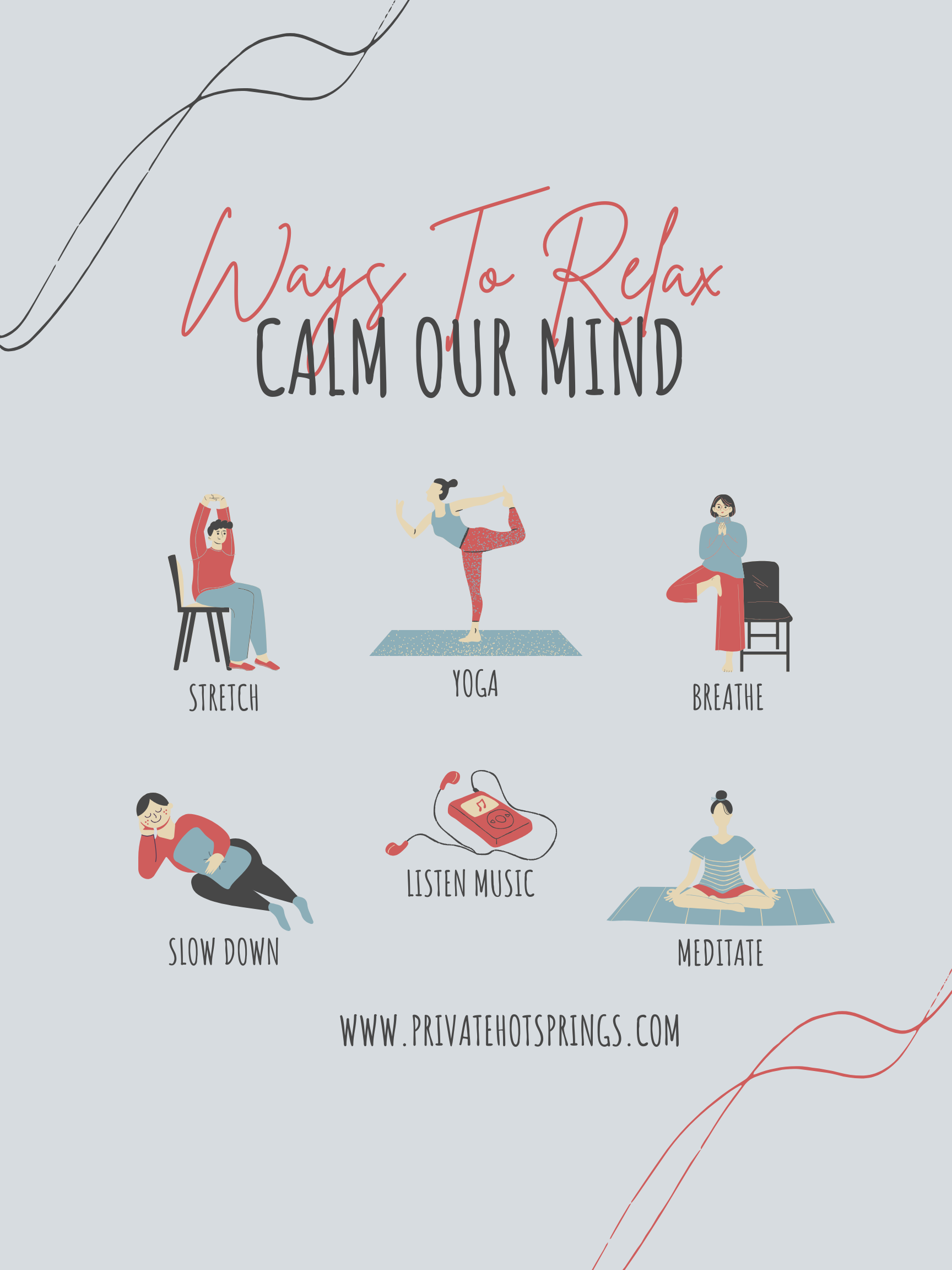
Mental noise surrounds us. In our always-connected world, finding moments of true calm feels like discovering a rare sanctuary. Yet the practice of quieting the mind remains one of our most powerful tools for wellbeing.
Consider these five natural approaches to cultivating inner stillness:
Breathe With Intention
Begin with three deep breaths, drawing air slowly through your nostrils and filling your lungs completely. Release each breath with gentle control. This simple ritual activates your parasympathetic nervous system, naturally lowering stress hormones and creating space for clarity.
Immerse In Nature
Water holds remarkable healing properties. Whether soaking in mineral-rich waters or simply listening to a flowing stream, natural water elements calm the nervous system at a primal level. The Japanese practice of “forest bathing” offers similar benefits through mindful presence among trees.
Engage Your Senses
When mental chatter intensifies, return to your senses. Notice five things you can see, four you can touch, three you can hear, two you can smell, and one you can taste. This ancient grounding technique creates immediate presence and breaks anxiety cycles.
Create Boundaries Of Silence
Carve protected moments of digital absence into each day. Even ten minutes without notifications creates space for your mind to settle into its natural rhythm. Consider this not a luxury but a necessity for mental clarity.
Move With Awareness
Gentle, intentional movement reconnects mind and body. Walking meditation, where each step receives your full attention, transforms a simple activity into a profound calming practice.
True calm isn’t found through force but through gentle invitation. These practices offer pathways to that rare inner quiet we all seek.
In our relentlessly connected world, true disconnection has become our most precious luxury. The natural hot springs experience offers more than mere relaxation. It presents a sacred ritual for complete mental reset when approached with intention and awareness.
The Arrival Ritual
Begin your transformation before you even touch the water. As you approach the springs, slow your pace deliberately. Notice the changing sounds as civilization fades behind you. Feel the subtle shift in air quality. The ritual begins not with immersion but with arrival.
Leave your devices secured away. Not nearby. Not on silent. Completely removed from your experience. The electromagnetic silence creates space for your own thoughts to surface.
The Immersion Sequence
Enter the mineral-rich waters gradually. Allow your body to acclimate not just to temperature but to the distinct mineral composition that distinguishes these waters from ordinary experiences. The minerals penetrate your skin, creating a subtle dialogue between the ancient earth and your modern body.
Position yourself where you can see the sky. The contrast between the warm embrace of water and the vast openness above creates a perfect tension that anchors you firmly in the present moment.
Breath as Anchor
Your breath becomes the metronome of your experience. Inhale for four counts, feeling the crisp air fill your lungs. Hold briefly. Exhale for six counts, releasing tension with each breath. The steam rising from the water’s surface visualizes this exchange – your concerns dissipating into the atmosphere.
Notice how your breathing naturally synchronizes with the subtle movements of the water. This unconscious alignment signals your nervous system that deep restoration has begun.
The Art of Thermal Cycling
The most transformative practice involves alternating between the hot mineral waters and brief exposure to cooler temperatures. This contrast therapy has been practiced across cultures for millennia, from Nordic traditions to Japanese onsen rituals.
Allow yourself to soak until your body signals complete warmth, typically 15-20 minutes. Then briefly experience cooler air or water before returning to warmth. This cycling creates a physiological reset that transcends ordinary relaxation.
Mindful Completion
Resist the urge to immediately reconnect with the world after your soak. The transition deserves its own sacred space. Sit quietly wrapped in a natural fiber blanket. Feel the minerals drying on your skin. Let your thoughts wander without judgment or purpose.
Hydrate with pure spring water, completing the cycle of purification. Only when you feel fully integrated should you slowly return to your regular pace.
Beyond Relaxation
This ritual offers more than temporary escape. The combination of mineral immersion, intentional breathing, and complete digital disconnection creates lasting neural changes. Regular practitioners report enhanced creativity, improved stress resilience, and a renewed sense of connection to both self and nature.
In our sanctuary of secluded waters, we witness this transformation daily. Guests arrive carrying the weight of their complex lives and depart with a lightness that extends far beyond physical sensation. The ancient wisdom of these waters reminds us that sometimes the most profound advancement comes through returning to our most elemental experiences.
Among the mineral-rich waters that have drawn wellness seekers for centuries, one element stands quietly remarkable yet often overlooked. Lithium, a naturally occurring mineral present in select hot springs worldwide, has emerged in scientific research as a potential ally for mental wellbeing.
The Science Behind Natural Lithium (Lithia mineral)
Unlike its pharmaceutical counterpart prescribed at high doses for bipolar disorder, naturally occurring lithium exists in trace amounts within certain geothermal waters. Research published in the British Journal of Psychiatry examined regions with higher natural lithium concentrations in drinking water and found correlations with lower suicide rates and decreased violent crime.
These findings suggest that even at low doses, this alkaline metal may offer subtle neurological benefits. The mineral appears to modulate neurotransmitter activity and promote neural pathway protection – effects that manifest as improved emotional regulation and stress response.
Where Natural Lithium Waters Flow
Certain hot springs contain notable lithium concentrations due to their geological formations. Springs flowing through ancient volcanic rock or granite deposits often carry this element in solution. Notable lithium-rich springs exist in regions of Japan, Italy, Argentina, and select locations across North America.
The concentration varies significantly between sources. Some contain barely detectable amounts while others offer levels that, while still far below pharmaceutical dosing, provide meaningful exposure through both soaking and occasional consumption.
Balancing Perspective on Natural Exposure
The scientific community maintains measured enthusiasm about natural lithium exposure. A 2020 review in the International Journal of Bipolar Disorders suggests that while evidence points to potential population-level benefits, more research is needed to understand individual effects and optimal exposure levels.
What makes natural springs particularly intriguing is their holistic mineral profile. Lithium rarely exists in isolation but rather alongside magnesium, calcium, potassium and other elements that may work synergistically to support wellbeing.
Beyond Chemical Effects
The potential benefits of lithium-containing springs extend beyond direct chemical interaction. The ritual of immersion, the sensory experience of mineral-rich waters, and the intentional pause from daily stressors create a comprehensive wellness experience.
This aligns with traditional knowledge across cultures that recognized certain waters as having special properties for mental clarity and emotional balance long before modern science identified lithium as a potential factor.
A Natural Approach to Modern Challenges
In our increasingly stress-laden world, ancient solutions offer renewed relevance. The subtle yet meaningful impact of naturally occurring lithium represents one facet of how traditional wellness practices continue finding validation through scientific inquiry.
For those seeking natural approaches to mental wellbeing, hot springs with trace lithium offer an experience that connects ancestral wisdom with emerging research. The waters invite not just physical immersion but a deeper engagement with elements that have quietly supported human health throughout our existence.
As we continue exploring the relationship between natural environments and mental health, lithium-containing springs remind us that sometimes the most profound wellness solutions flow not from laboratories but from the earth itself.
Water heals. Mineral-rich thermal waters offer more than simple relaxation. Scientific research reveals these natural sanctuaries fundamentally rebalance our hormonal systems, creating physiological changes that explain why people leave hot springs feeling transformed.
The human body responds to hot springs immersion with a cascade of hormonal adjustments that modern science has only recently begun to document. These changes affect three critical hormones that regulate stress, sleep, and connection.
Cortisol Regulation
Cortisol, our primary stress hormone, typically follows a natural rhythm that peaks in the morning and gradually declines throughout the day. Research published in the Journal of Physiological Anthropology demonstrates that immersion in warm mineral waters significantly reduces serum cortisol levels.
When we submerge in thermal waters heated to 38-40°C (100-104°F), the body experiences a controlled form of heat stress. This triggers adaptive responses that ultimately lower baseline cortisol production. The effect is particularly pronounced in waters rich in magnesium, which absorbs through the skin during soaking sessions.
Regular hot springs bathing creates a cumulative effect. Studies show consistent thermal therapy can normalize cortisol rhythms disrupted by chronic stress, potentially improving metabolic health, immune function, and cardiovascular regulation.
Melatonin Enhancement
The relationship between body temperature and sleep quality has been extensively documented. Hot springs create an ideal condition for improving melatonin production through a process called passive body heating.
When we soak in thermal waters, our core temperature rises slightly. The subsequent cooling phase after leaving the water triggers increased melatonin secretion from the pineal gland. Research in the International Journal of Biometeorology confirms this temperature fluctuation improves sleep onset and quality.
Minerals commonly found in hot springs, particularly magnesium and lithium, further enhance this effect by calming the central nervous system. The result is deeper, more restorative sleep patterns that many guests report continuing for days after their hot springs experience.
Oxytocin Amplification
Perhaps most fascinating is how hot springs influence oxytocin, often called the “bonding hormone.” This neurohormone regulates social connection, trust, and emotional well-being.
Studies in hydrotherapy settings show that warm water immersion, particularly in natural settings, increases oxytocin production. This explains the profound sense of connection many experience during and after hot springs bathing.
The combination of warmth, buoyancy, and the sensory experience of mineral-rich waters creates optimal conditions for oxytocin release. This hormone reduces anxiety, lowers blood pressure, and promotes feelings of security and well-being.
The Integrated Hormonal Response
What makes hot springs uniquely effective is how they simultaneously influence multiple hormonal systems. Unlike synthetic interventions that target single pathways, thermal mineral waters create an integrated response that balances these interconnected systems.
The scientific literature increasingly supports what traditional cultures have known for centuries: regular immersion in mineral hot springs creates profound physiological benefits that extend far beyond momentary relaxation.
In our modern world of chronic stress and disrupted circadian rhythms, these natural sanctuaries offer something increasingly precious: a return to hormonal equilibrium through the simple act of submersion in the earth’s healing waters.
Let us help you relax. Book the time to soak, relax, and be stress free. You deserve it, www.privatehotsprings.com
The therapeutic potential of natural hot springs extends far beyond simple relaxation. As rates of depression continue to rise globally, researchers have turned their attention to traditional healing practices, including hydrotherapy in mineral-rich waters. The question emerges naturally: can immersion in thermal springs offer meaningful relief for those struggling with mood disorders?
The human body responds to hot water immersion in fascinating ways. When submerged in heated mineral water, our peripheral blood vessels dilate, circulation improves, and muscle tension releases. This physiological cascade triggers a series of neurochemical changes that directly influence mood regulation systems.
The Science Behind Thermal Water Therapy
Research indicates that regular hot spring bathing may influence several pathways relevant to depression management. The heat exposure activates thermoreceptors throughout the body, stimulating the release of endorphins and other neurotransmitters associated with positive mood states. These natural chemicals function similarly to certain antidepressant medications but without pharmaceutical side effects.
Mineral content matters significantly. Waters rich in magnesium, lithium, and sulfates appear particularly beneficial for neural function. Magnesium absorption through the skin during immersion may help regulate stress hormones. Lithium, even in trace amounts, has long been associated with mood stabilization. Sulfates support critical detoxification pathways that influence brain chemistry.
Beyond biochemistry, the sensory experience itself holds therapeutic value. The weightlessness experienced during water immersion reduces physical stress on joints and muscles. This relief from physical discomfort often translates to psychological ease, creating a window where mental healing becomes possible.
Ritual and Rhythm in Natural Settings
The context of hot spring therapy amplifies its effectiveness. Unlike clinical treatments, thermal springs exist within natural landscapes. This environmental component introduces additional therapeutic elements through exposure to nature, which independently shows strong associations with reduced depression symptoms.
Regular immersion establishes beneficial rhythms. Studies suggest that consistent hydrotherapy sessions produce cumulative effects on mood regulation systems. The ritual aspect—setting aside time for self-care in a specific, healing environment—reinforces neural pathways associated with relaxation and positive emotional states.
Social connection often accompanies traditional hot spring practices. Many cultures worldwide have developed communal bathing traditions that combine hydrotherapy with social interaction. This social dimension adds another layer of benefit, as positive social engagement strongly correlates with depression resilience.
Balancing Perspective and Application
While promising, thermal spring therapy should be viewed as complementary rather than replacement therapy for clinical depression. The research, though encouraging, remains preliminary in many aspects. Individual responses vary based on depression type, severity, and personal health factors.
Water temperature, mineral composition, immersion duration, and frequency all influence outcomes. What works as preventative care may differ from what helps during acute depressive episodes. Professional guidance remains valuable when incorporating hydrotherapy into mental health care plans.
The most compelling approach integrates traditional wisdom with modern understanding. Ancient cultures recognized the healing properties of thermal waters long before science could explain the mechanisms. Today, we can appreciate both the empirical evidence and the lived experience of those who have found relief in natural springs.
As interest in non-pharmaceutical approaches to mental health grows, thermal spring therapy offers a promising avenue worthy of both scientific investigation and personal exploration. The waters that have bubbled from the earth for millennia may hold some of our most valuable resources for modern wellbeing—natural, accessible, and grounded in both tradition and emerging science.
Book your relaxation at bookings@privatehotsprings.com
Cookie Consent
We use cookies to improve your experience on our site. By using our site, you consent to cookies.
This website uses cookies
Websites store cookies to enhance functionality and personalise your experience. You can manage your preferences, but blocking some cookies may impact site performance and services.
Essential cookies enable basic functions and are necessary for the proper function of the website.
Name
Description
Duration
Cookie Preferences
This cookie is used to store the user's cookie consent preferences.