Why Do Some Hot Springs Smell Like Sulfur? The Science Behind the Odor

You step into a hot spring expecting warmth and relaxation, but the sharp scent of rotten eggs catches your attention. That distinct smell often surprises you, especially in places known for their natural beauty. Hot springs smell like sulfur because they release hydrogen sulfide gas, which forms when underground heat breaks down sulfur-containing minerals in the Earth.

As groundwater heats deep below the surface, it interacts with rocks and volcanic gases that contain sulfur. The heat drives chemical reactions that produce hydrogen sulfide, and when that gas reaches the surface, you notice its strong odor right away.

The strength of the smell depends on local geology, water temperature, and how much gas escapes into the air. In volcanic and geothermal regions, you encounter higher sulfur levels more often, which makes the scent more noticeable in certain springs than others.

The Role of Sulfur in Hot Springs

Sulfur shapes the smell, chemistry, and mineral deposits you encounter at many hot springs. Its behavior underground determines whether you notice a faint odor or a strong, rotten‑egg scent at the surface.

How Hydrogen Sulfide Gas Forms

You smell sulfur in hot springs mainly because of hydrogen sulfide (H₂S) gas. This colorless, flammable gas produces the distinct rotten‑egg odor often linked to geothermal areas.

H₂S forms when underground water interacts with sulfur‑rich rocks and minerals. In oxygen‑poor conditions, certain bacteria reduce sulfate (SO₄²⁻) to hydrogen sulfide as part of their metabolism. This process, known as bacterial sulfur reduction, occurs in hot vents and geothermal systems with high sulfide content.

Heat also drives chemical reactions that release H₂S from dissolved sulfur compounds. As hot water rises toward the surface, pressure drops. The gas escapes from the water and enters the air, which is why you notice the smell most strongly near the spring’s source.

In some systems, sulfide later oxidizes back to elemental sulfur. You may see yellow sulfur deposits forming where rising gases meet oxygen at the surface.

Mineral Composition of Geothermal Waters

The mineral makeup of a hot spring controls how much sulfur it carries. Geothermal waters often dissolve minerals from surrounding rocks as they circulate deep underground.

Common sulfur-related components include:

  • Sulfate (SO₄²⁻)
  • Hydrogen sulfide (H₂S)
  • Elemental sulfur (S)
  • Metal sulfides, such as iron sulfide

Springs with high sulfide concentrations tend to produce stronger odors. In some regions, such as areas known for sulfur springs, elevated sulfur compounds can affect water quality and limit its suitability for drinking.

When hydrogen sulfide oxidizes near the surface, it can form visible sulfur deposits. In certain hot spring systems, sulfide oxidation creates bright yellow accumulations around vents and outflow channels. These deposits signal active sulfur cycling in the water.

Thermochemical Processes Beneath the Surface

Beneath your feet, heat from magma or deep geothermal gradients drives sulfur chemistry. Groundwater seeps downward, heats up, and reacts with sulfur-bearing minerals in volcanic or sedimentary rocks.

At high temperatures, sulfur compounds transform through thermochemical reactions. For example, sulfate can convert to sulfide under reducing conditions. In some hydrothermal systems, intermediate compounds such as thiosulfate may form under specific chemical conditions, though they are not always present at depth.

Pressure, temperature, and oxygen levels control which sulfur species dominate. As water ascends and cools, chemical equilibria shift. Dissolved gases separate, minerals precipitate, and new compounds form.

These subsurface reactions determine whether the spring you visit releases only a mild sulfur scent or a strong concentration of hydrogen sulfide gas.

Environmental and Regional Factors

Location shapes how much hydrogen sulfide reaches your nose. Volcanic heat sources, regional geology, and water depth all control how sulfur forms, dissolves, and escapes into the air around a spring.

Influence of Volcanic Activity

You will notice the strongest sulfur odors in regions with active or recent volcanic activity. Magma beneath the surface releases sulfur gases, including hydrogen sulfide (H₂S), into surrounding groundwater.

As heated water rises through fractures in volcanic rock, it dissolves these gases. When the water reaches the surface, pressure drops and H₂S escapes into the air, producing the familiar rotten‑egg smell.

Volcanic and hydrothermal environments also contain sulfur-bearing minerals. Groundwater moving through these rocks can chemically reduce sulfates into hydrogen sulfide, especially in low-oxygen conditions.

Areas with geothermal power production often monitor H₂S because concentrations can rise near steam vents and hot springs. Even when levels are low, you can detect the odor quickly because humans sense hydrogen sulfide at very small concentrations.

Examples of Notable Sulfur-Rich Hot Springs

You can find sulfur-rich hot springs in tectonically active regions around the world. These areas share common geological traits: volcanic heat, fractured rock, and sulfur-bearing minerals.

Notable examples include:

  • Yellowstone National Park, USA – Hydrothermal basins release sulfur gases from magma-heated groundwater.
  • Iceland’s geothermal fields – Steam vents and hot pools emit noticeable hydrogen sulfide due to volcanic activity.
  • Olkaria, Kenya – Geothermal systems release measurable H₂S near power stations and natural springs.
  • Changuleh sulfur springs, Iran – Studies link salinity, temperature, and hydrogen sulfide levels to deep geological sources.

In each case, underground heat drives chemical reactions that generate or release hydrogen sulfide. The smell intensity varies depending on gas concentration, wind conditions, and how quickly water reaches the surface.

Impact of Water Temperature and Depth

Water temperature directly affects how much hydrogen sulfide forms and escapes. Hotter systems often support chemical reactions that release sulfur from surrounding rock.

High temperatures also reduce the solubility of gases as water surfaces. When hot, pressurized groundwater rises quickly, dissolved H₂S separates from the water and enters the air.

Depth matters as well. Deep groundwater stays under pressure, which keeps gases dissolved longer. As that water ascends through faults or fractures, pressure drops and gas release accelerates.

In shallow systems, cooler temperatures and greater oxygen exposure can limit hydrogen sulfide production. In deeper, low-oxygen environments, sulfate-reducing bacteria can convert dissolved sulfates into hydrogen sulfide, increasing the sulfur odor you experience at the surface.

Frequently Asked Questions

Sulfur smells in hot springs come from specific dissolved gases and minerals that form underground. Temperature, geology, and microbial activity control how strong the odor becomes and whether it signals a safety concern.

What causes the rotten-egg smell in certain hot springs?

You notice a rotten-egg smell when hydrogen sulfide gas (H₂S) escapes from the water into the air. This gas forms underground as hot water reacts with sulfur-containing minerals or as microbes break down sulfur compounds in low-oxygen conditions.

As the hot water rises to the surface, pressure drops and dissolved gases escape more easily. You smell hydrogen sulfide even at very low concentrations because your nose detects it in tiny amounts.

Which sulfur compounds are responsible for the odor in geothermal waters?

Hydrogen sulfide is the main compound responsible for the characteristic odor. It produces the strong rotten-egg smell most people associate with sulfur springs.

Other sulfur compounds, such as sulfur dioxide or thiosulfate, may occur in geothermal systems. However, they usually contribute less to the distinct smell you notice at the surface.

Is the sulfur smell stronger in some hot springs than others, and what factors affect it?

You may find that some hot springs have a faint odor, while others smell very strong. The concentration of dissolved hydrogen sulfide in the water largely determines this difference.

Water temperature, acidity (pH), and how quickly water flows to the surface all affect gas release. Geological setting also matters, especially in areas with volcanic or geothermal activity where sulfur-rich minerals are common.

Wind and open-air conditions can quickly disperse the gas. In enclosed pools or calm air, the smell often seems stronger.

Does a sulfur odor indicate that a hot spring is unsafe to soak in?

A sulfur smell alone does not automatically mean the water is unsafe. Many commercial hot springs with a mild hydrogen sulfide odor operate safely under monitored conditions.

However, high concentrations of hydrogen sulfide gas can irritate your eyes and respiratory system. You should follow posted safety guidelines and avoid soaking in areas that restrict access or lack proper ventilation.

How do local geology and underground microbial activity influence hot spring odors?

The surrounding rock controls how much sulfur enters the water. If groundwater moves through sulfur-rich volcanic rocks or mineral deposits, it can dissolve sulfur compounds that later form hydrogen sulfide.

Microorganisms also play a role. In oxygen-poor underground environments, certain bacteria convert sulfate and other sulfur compounds into hydrogen sulfide, increasing the potential odor you notice at the surface.

Can you reduce or avoid the sulfur smell when visiting a hot spring?

You can choose pools with better airflow or visit on breezy days, which helps disperse hydrogen sulfide gas. Outdoor pools usually smell less intense than enclosed or covered ones.

Showering after soaking removes residual sulfur compounds from your skin and hair. If you are sensitive to strong odors, you may prefer hot springs known for lower sulfur content rather than highly mineralized geothermal pools.
Find Your Calm With These 5 Natural Rituals

Test Gadget Preview Image

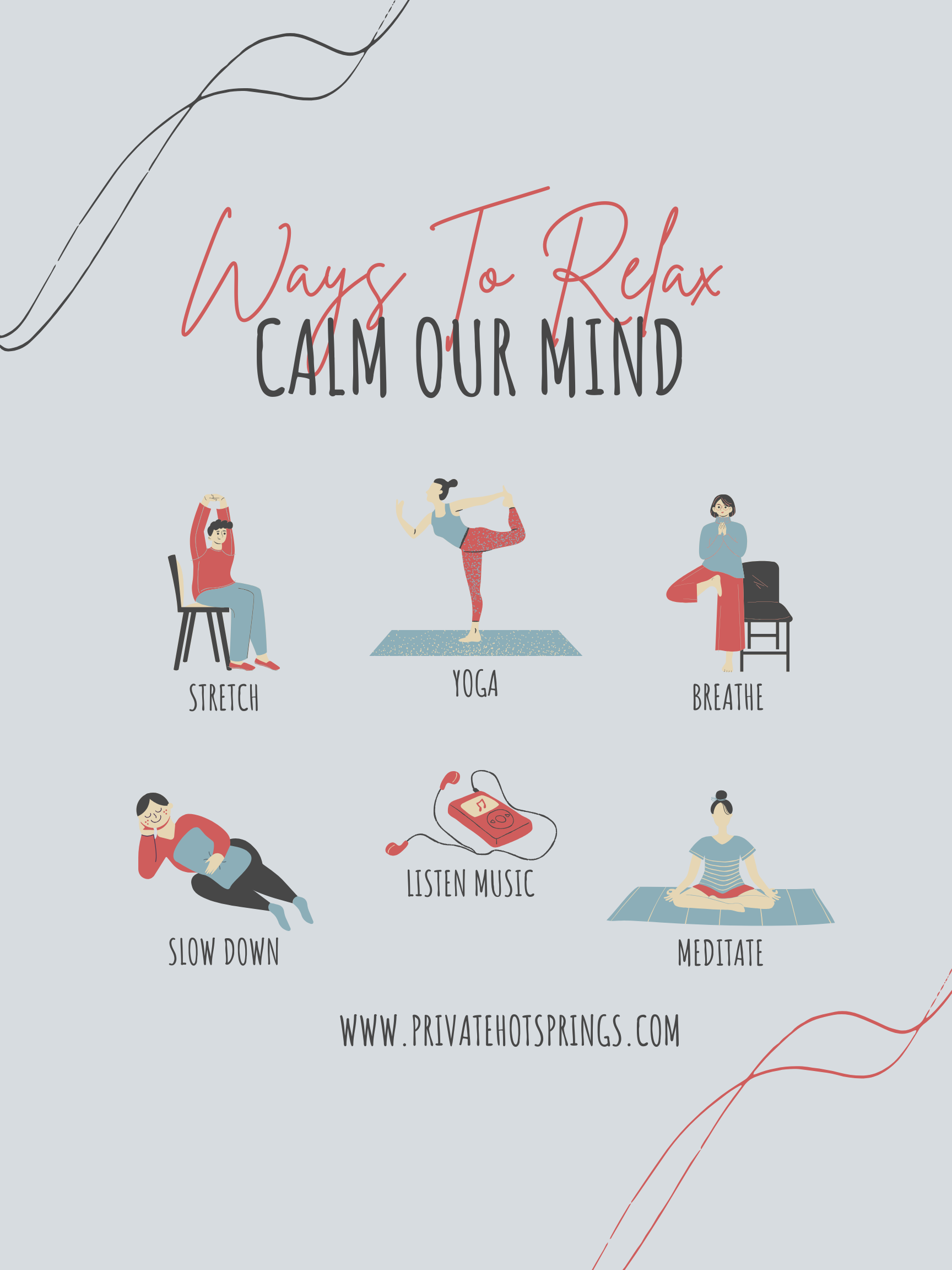
Mental noise surrounds us. In our always-connected world, finding moments of true calm feels like discovering a rare sanctuary. Yet the practice of quieting the mind remains one of our most powerful tools for wellbeing.

Consider these five natural approaches to cultivating inner stillness:

Breathe With Intention

Begin with three deep breaths, drawing air slowly through your nostrils and filling your lungs completely. Release each breath with gentle control. This simple ritual activates your parasympathetic nervous system, naturally lowering stress hormones and creating space for clarity.

Immerse In Nature

Water holds remarkable healing properties. Whether soaking in mineral-rich waters or simply listening to a flowing stream, natural water elements calm the nervous system at a primal level. The Japanese practice of “forest bathing” offers similar benefits through mindful presence among trees.

Engage Your Senses

When mental chatter intensifies, return to your senses. Notice five things you can see, four you can touch, three you can hear, two you can smell, and one you can taste. This ancient grounding technique creates immediate presence and breaks anxiety cycles.

Create Boundaries Of Silence

Carve protected moments of digital absence into each day. Even ten minutes without notifications creates space for your mind to settle into its natural rhythm. Consider this not a luxury but a necessity for mental clarity.

Move With Awareness

Gentle, intentional movement reconnects mind and body. Walking meditation, where each step receives your full attention, transforms a simple activity into a profound calming practice.

True calm isn’t found through force but through gentle invitation. These practices offer pathways to that rare inner quiet we all seek.

www.privatehotsprings.com & www.kootenayhotsprings.com

The Ancient Ritual That Silences Modern Chaos

Test Gadget Preview Image

Water speaks. Air renews. Time stops.

In our relentlessly connected world, true disconnection has become our most precious luxury. The natural hot springs experience offers more than mere relaxation. It presents a sacred ritual for complete mental reset when approached with intention and awareness.

The Arrival Ritual

Begin your transformation before you even touch the water. As you approach the springs, slow your pace deliberately. Notice the changing sounds as civilization fades behind you. Feel the subtle shift in air quality. The ritual begins not with immersion but with arrival.

Leave your devices secured away. Not nearby. Not on silent. Completely removed from your experience. The electromagnetic silence creates space for your own thoughts to surface.

The Immersion Sequence

Enter the mineral-rich waters gradually. Allow your body to acclimate not just to temperature but to the distinct mineral composition that distinguishes these waters from ordinary experiences. The minerals penetrate your skin, creating a subtle dialogue between the ancient earth and your modern body.

Position yourself where you can see the sky. The contrast between the warm embrace of water and the vast openness above creates a perfect tension that anchors you firmly in the present moment.

Breath as Anchor

Your breath becomes the metronome of your experience. Inhale for four counts, feeling the crisp air fill your lungs. Hold briefly. Exhale for six counts, releasing tension with each breath. The steam rising from the water’s surface visualizes this exchange – your concerns dissipating into the atmosphere.

Notice how your breathing naturally synchronizes with the subtle movements of the water. This unconscious alignment signals your nervous system that deep restoration has begun.

The Art of Thermal Cycling

The most transformative practice involves alternating between the hot mineral waters and brief exposure to cooler temperatures. This contrast therapy has been practiced across cultures for millennia, from Nordic traditions to Japanese onsen rituals.

Allow yourself to soak until your body signals complete warmth, typically 15-20 minutes. Then briefly experience cooler air or water before returning to warmth. This cycling creates a physiological reset that transcends ordinary relaxation.

Mindful Completion

Resist the urge to immediately reconnect with the world after your soak. The transition deserves its own sacred space. Sit quietly wrapped in a natural fiber blanket. Feel the minerals drying on your skin. Let your thoughts wander without judgment or purpose.

Hydrate with pure spring water, completing the cycle of purification. Only when you feel fully integrated should you slowly return to your regular pace.

Beyond Relaxation

This ritual offers more than temporary escape. The combination of mineral immersion, intentional breathing, and complete digital disconnection creates lasting neural changes. Regular practitioners report enhanced creativity, improved stress resilience, and a renewed sense of connection to both self and nature.

In our sanctuary of secluded waters, we witness this transformation daily. Guests arrive carrying the weight of their complex lives and depart with a lightness that extends far beyond physical sensation. The ancient wisdom of these waters reminds us that sometimes the most profound advancement comes through returning to our most elemental experiences.


www.privatehotsprings.com & www.kootenayhotsprings.com

Why Athletes Are Turning To Hot Springs For Recovery

Test Gadget Preview Image

Nature heals. Bodies know. Science confirms.

When muscles scream after a day on mountain trails or hours pushing physical limits, the answer might not be in high-tech recovery gadgets but in something ancient and elemental. Hot springs, with their mineral-rich waters and natural therapeutic properties, offer athletes a recovery method that predates modern sports science yet aligns perfectly with our current understanding of physiological restoration.

The relationship between athletic performance and proper recovery continues to gain recognition among serious athletes and weekend warriors alike. While compression boots and ice baths have their place, the natural healing properties of hot springs provide a multidimensional approach to recovery that addresses both body and mind.

The Science Behind The Soak

Hot springs work their recovery magic through several physiological mechanisms. The heat from thermal waters increases blood circulation, delivering oxygen and nutrients to tired muscles while helping remove metabolic waste products like lactic acid. This natural process accelerates muscle repair and reduces soreness.

The mineral content in these waters adds another layer of recovery benefits. Magnesium, often abundant in hot springs, acts as a natural muscle relaxant. Calcium helps regulate muscle contractions. Sulfates can reduce inflammation. These elements absorb through the skin during immersion, working in harmony to support the body’s natural healing processes.

Beyond Physical Recovery

Athletic recovery extends beyond muscle repair. Mental restoration plays an equally crucial role, especially for those who push their limits in challenging environments. The sensory experience of hot springs creates the perfect conditions for this holistic recovery.

Imagine submerging in warm, mineral-rich waters after a grueling mountain bike ride or challenging trail run. The contrast between intense exertion and complete relaxation creates a powerful reset for the nervous system. The sounds of water, the feeling of weightlessness, and the connection to natural elements engage multiple senses simultaneously, creating what many athletes describe as a soul-deep relaxation impossible to replicate in artificial environments.

The Privacy Premium

While public hot springs offer therapeutic benefits, private hot springs elevate the recovery experience to an art form. The exclusivity of a private setting removes the distractions and social dynamics that can prevent full relaxation. Privacy allows athletes to be completely present in their recovery, creating space for reflection on performance, goals, and the pure joy of movement.

The curated experience of a private hot spring sanctuary provides athletes with precisely what they need after pushing physical boundaries. Quiet solitude. Pristine waters. Crisp mountain air. These elements combine to create not just physical recovery but a reset for the entire system.

Integrating Hot Springs Into Recovery Protocols

For athletes serious about performance, incorporating hot springs into a structured recovery protocol can yield significant benefits. The timing matters. While immediate immersion after intense exercise remains debated among sports scientists, most agree that hot springs provide optimal benefits when used several hours after exertion or on dedicated recovery days.

The duration matters too. Twenty to thirty minutes allows for the full therapeutic benefits without risking dehydration or excessive fatigue. Hydration before, during, and after soaking remains essential, particularly for athletes already managing fluid balance from training.

Athletic recovery continues to evolve as we better understand the complex interplay between performance and restoration. In this landscape of innovation, we find ourselves returning to time-honored practices that connect us to the natural world. Hot springs represent this beautiful convergence of ancient wisdom and modern science, offering athletes a recovery method that honors both the body’s needs and the soul’s desire for meaningful connection.

The waters heal. Athletes know. Results speak.

#hotspringsescape #honorbestpractices

Ready for recovery after mountain biking? www.privatehotsprings.com 

bookings@privatehotsprings.com

Let Your Phone Die. But You’ll Come Back to Life.

Test Gadget Preview Image

That moment when your phone battery hits 5% triggers something primal in most of us. Your heart rate quickens. You scan the room for an outlet. You calculate how long until you’re completely cut off from the world. What important email might you miss? What crisis won’t you be able to handle? What breaking news will break without you?

But what if that dying battery is exactly what you need?

The Withdrawal Is Real

Let’s be honest about what happens when we unplug. The first few hours can feel like withdrawal. Many visitors report phantom vibrations in their pockets. Some reach automatically for their phones over sixty times on the first day – a gesture logged by their suddenly absent digital companions.

“I kept thinking I was missing something crucial,” says Tom Wright, a marketing executive who spent four days at the springs. “Turns out what I was missing was everything right in front of me.”

This transition – from digital dependency to present awareness – follows a pattern that at private hot springs have observed for years. The initial anxiety. The bargaining (“I’ll just check once before bed”). The surrender. And then, something unexpected.

Renewal.

When Your Senses Reawaken

Without the constant ping of notifications, your nervous system slowly recalibrates. The hot springs themselves act as a catalyst, the mineral-rich waters drawing tension from muscles that have been hunched over screens for too long.

“On my second day without a phone, I realized I could hear individual birds,” says Sarah, a teacher from Toronto. “Not just as background noise, but their specific calls. I’d forgotten what it was like to really listen.”

The human brain, designed for deep attention and connection, gradually recovers its natural capacity for wonder. Conversations with strangers at the springs grow longer, more meaningful. Eye contact feels less awkward, more nourishing.

David, who manages guest experiences at Privatehotsprings retreat, has watched this transformation in thousands of visitors: “People arrive tethered to their devices, and leave remembering they’re actually tethered to their bodies, to nature, to each other.”

What You Won’t Miss

The great irony reported by those who’ve taken the plunge into digital disconnection? Almost nothing of consequence was actually missed.

This pattern repeats across professions, age groups, and personalities. The world continues turning. Problems solve themselves or wait patiently. The digital fires that demand constant attention reveal themselves as mostly smoke.

Meanwhile, something far more valuable is gained.

The Return to Life

Beyond the tranquility and escape, visitors describe something deeper: a return to themselves.

Couples report rediscovering conversation beyond shared social media posts. Solo travelers find comfort in their own company rather than the algorithmic company of feeds and streams.

The physical benefits are equally compelling – improved sleep when screens don’t disrupt melatonin production, reduced neck and shoulder tension, eyes that regain their natural focus on distant horizons rather than close-up text.

But perhaps most significant is the emotional shift. Anxiety levels drop. Perspective returns. The artificial urgency of digital life evaporates in the steam of natural hot springs.

Your battery will die. But you’ll come back to life.

And when you do eventually return to the connected world, you might find yourself bringing a piece of that reclaimed humanity back with you – setting new boundaries, creating tech-free zones in your home, or simply remembering that the most important notifications aren’t the ones that buzz in your pocket.

They’re the ones you feel when you’re fully present in your own life.


Experience it all at www.privatehotsprings.com & www.kootenayhotsprings.com

Beyond the beer: Weekend Warriors: From Hot Springs to Hiking, the New Men’s Wellness Ritual and Real Talks

Test Gadget Preview Image

The sports bar was packed. Six of us hunched around a table, shouting over the game, trading the same jokes we always did. Three hours and several rounds later, we headed home having shared absolutely nothing that mattered. None of us slept better that night. None of us felt truly seen.

Something is shifting in how men connect with each other. The beer-soaked gatherings still happen, but they’re no longer the only option. Across the country, men are creating different kinds of spaces together—ones built around presence rather than escape, vulnerability rather than armor.

Beyond The Bar Stool

You’ve felt it, haven’t you? That strange emptiness after a night out with friends where conversation never ventured past sports statistics, work complaints, or surface-level banter. Many men are waking up to a painful truth: we’ve mastered the art of spending time together without actually being together.

Enter the modern men’s retreat. Not the stereotypical wilderness weekend of competitive fire-building and chest-thumping, but something more revolutionary: gatherings designed specifically for depth, support, and authentic connection.

“I thought it sounded like new age nonsense,” admits Eric, a construction manager who reluctantly attended a hot springs retreat last year. “Then I found myself telling guys I barely knew things I’d never told anyone. There’s something about being in nature, away from everything, that breaks down walls.”

Hot Springs and Cold Truth

Why are natural settings like hot springs particularly powerful for these gatherings? It’s partially biological. Immersion in mineral-rich waters naturally reduces stress hormones while increasing endorphins. Your body relaxes whether you want it to or not.

But there’s something more primal happening too.

Throughout history, men gathered in natural spaces—around fires, in sweat lodges, beside water—to mark transitions, share wisdom, and speak honestly. Our modern disconnection isn’t just from each other; it’s from these ancient patterns of masculine community.

Hot springs create a natural container for vulnerability. Without phones, without alcohol’s false courage, without the ability to physically distance yourself, something remarkable happens. Men talk. Really talk.

The Strength in Stillness

The most counterintuitive aspect of these retreats is that they require strength—not the kind that bench-presses impressive numbers, but the kind that sits in uncomfortable silence. The kind that says “I don’t know” or “I’m struggling” when every cultural programming screams to project certainty.

You learn to listen differently too. Not with the half-attention of waiting for your turn to speak, but with your full presence. It’s exhausting. It’s exhilarating.

What Actually Happens

These gatherings vary widely, but most share common elements: time in nature, guided conversation, periods of silence, and often some form of physical practice like hiking, breathwork, or meditation.

What doesn’t happen is equally important. There’s typically no alcohol. No business networking. No competitive activities designed to crown winners and losers. No escape into screens.

Instead, there’s space to exhale completely. To ask questions that matter. To hear your own thoughts without the constant noise of modern life drowning them out.

And men are discovering something surprising: when they remove these familiar crutches, they don’t collapse. They stand taller.

The Ripple Effect

What happens on these retreats doesn’t stay contained there. Men return to their families, workplaces, and friendships differently. They listen better. They express needs more clearly. They hold boundaries more confidently while simultaneously becoming more flexible.

“My wife noticed the difference immediately,” says Thomas, who attended his first men’s retreat after decades of traditional guys’ nights out. “She said it was like I finally came home to myself—and therefore could actually be present with her.”

This isn’t just about personal wellness. It’s about cultural transformation. Men who learn to hold space for vulnerability become better partners, fathers, leaders, and friends. The impact extends far beyond the individual.

Finding Your Brotherhood

These retreats aren’t replacing casual male friendships—they’re deepening them. Many men maintain both traditional social gatherings and these more intentional spaces, finding that each serves a purpose.

If you’re curious about experiencing this kind of brotherhood, start small. Find a friend willing to meet regularly without devices or distractions. Take a day hike together with some thoughtful questions in your pocket. Attend an established retreat when you’re ready.

The landscape of male friendship is expanding. There’s room for watching the game and room for sitting in hot springs speaking your truth. Both can coexist. Both matter.

The question isn’t whether men need these spaces. The evidence—from reduced depression rates to improved relationship outcomes—strongly suggests we do. The question is whether we’re brave enough to create them.

Are you?

www.privatehotsprings.com & www.kootenayhotsprings.com

The Secret Getaway Formula Every Friend Group Needs

Test Gadget Preview Image

Your group chat lights up with a familiar question: “When are we finally getting away together?” The idea resonates immediately. Between deadlines, family obligations, and the general chaos of daily life, your friendship circle craves something beyond the usual dinner meetups. You need real connection. True relaxation. 

What if the perfect girlfriends’ getaway isn’t about a specific destination, but rather a winning combination of experiences? Wine, wellness, and hot springs create a trifecta that satisfies every friendship group’s deepest needs.

Why This Combination Works

Wine brings people together. It loosens inhibitions and invites conversation that goes beyond surface-level catching up. It creates a ritual around togetherness that humans have honored for thousands of years.

Wellness activities give purpose and structure. They remind you to care for yourselves—something women often put last on their priority lists. From guided meditation to hotsprings, these experiences create shared memories beyond typical tourist activities.

Hot springs add the element of surrender. There’s something primally satisfying about sinking into warm, mineral-rich waters under open sky. Conversations flow differently when everyone is literally immersed together.

The combination works because it balances indulgence with intention.

Making It Happen

Planning group travel comes with challenges. Different budgets. Competing priorities. Limited vacation days. Yet the wine-wellness-hot springs formula offers flexibility that accommodates various needs.

Start by finding a destination with natural hot springs. Add nearby wineries or tasting rooms. Then look for accommodations that offer some wellness component—even if it’s just a simple yoga deck or hiking trails.

What makes these trips special isn’t fancy accommodations or picture-perfect settings. It’s the intimate conversations that happen while floating in mineral waters. The vulnerable moments during a guided meditation when someone finally releases tears they’ve been holding back for months.

The Real Benefits

Research consistently shows that female friendships significantly improve health outcomes. What’s less discussed is how dramatically these benefits multiply when friendships are maintained through intentional experiences rather than digital communication alone.

The wine opens doors to honesty. The wellness creates space for growth. The hot springs release tension stored in both your bodies and your relationships.

You return home with something beyond souvenirs or photos. You carry renewed connection, replenished energy, and strengthened bonds.

Your friend group doesn’t just need another vacation. It needs a formula that nurtures what makes your connection special in the first place. Wine, wellness, and hot springs might just be the secret combination you’ve been searching for all along.

Next time your group chat lights up with vacation ideas, suggest something different. Something balanced. Something that serves both pleasure and purpose.

After all, the best friendships deserve the best getaways at the www.privatehotsprings.com and www.kootenayhotsprings.com

From Tension to Tranquility: How Hot Springs Help with Chronic Pain & Inflammation

Test Gadget Preview Image

The persistent ache in your joints. The stiffness that greets you each morning. The inflammation that no amount of over-the-counter medication seems to touch. Chronic pain has a way of becoming an unwelcome life partner, dictating what you can do, where you can go, and how you feel day after day.

Relief might be bubbling just beneath the surface.

The Forgotten Medicine

Long before pharmaceutical companies created pain relievers, people with aching joints and sore muscles sought healing in naturally occurring hot springs. From the ancient Romans to indigenous peoples across continents, hot springs have served as natural healing centers for thousands of years.

This wasn’t superstition. It was observation-based medicine at its earliest.

Today, modern research validates what our ancestors discovered through experience: immersion in mineral-rich hot waters can significantly reduce pain and inflammation associated with many chronic conditions.

How Water Works Against Pain

The therapeutic benefits of hot springs work through multiple mechanisms simultaneously. First, there’s the simple application of heat. When your body encounters temperatures between 100-104°F, blood vessels dilate, increasing circulation to painful areas. This improved blood flow delivers more oxygen and nutrients while efficiently removing inflammatory compounds.

But hot springs offer something your home bathtub cannot – a complex mineral profile that varies by location. Many springs contain significant amounts of magnesium, sulfur, calcium, and silica – elements your body uses in natural anti-inflammatory processes.

When you soak in a hot spring, your skin absorbs these minerals. Magnesium, for instance, serves as a natural muscle relaxant. Sulfur compounds help rebuild cartilage and reduce inflammatory markers. The combination creates a therapeutic effect that works from the outside in.

The buoyancy factor shouldn’t be overlooked either. Water supports your body weight, temporarily relieving pressure on painful joints and allowing for gentle movement that might be impossible on land.

Beyond Arthritis: Who Benefits Most

While arthritis sufferers report some of the most dramatic improvements from hot springs therapy, they’re not the only ones who benefit. People managing fibromyalgia often experience reduced pain and improved sleep after regular soaking. Those recovering from sports injuries find that hot springs accelerate healing and restore mobility.

Even those with non-inflammatory pain conditions like nerve pain can find relief through the muscle-relaxing properties of hot mineral water.

What makes hot springs particularly valuable is their gentle nature. Unlike many pharmaceutical approaches, side effects are minimal when used appropriately. You won’t develop tolerance or dependency, and there’s no risk of harmful drug interactions.

The Science Catches Up

Research into balneotherapy – the treatment of disease by bathing in mineral waters – has grown substantially in recent decades. A review published in the journal Rheumatology International analyzed multiple studies and found consistent evidence that mineral bath therapy provides both short and long-term benefits for people with rheumatic diseases.

Another study in the Journal of Rehabilitation Medicine demonstrated that fibromyalgia patients experienced significant pain reduction and improved quality of life after regular hot springs therapy.

These studies add scientific weight to centuries of anecdotal evidence.

Finding Your Way to Relief

To experience the benefits of hot springs therapy, start by researching natural springs in your region. Many areas have developed these resources into accessible facilities with varying levels of amenities.

 Epsom salt (magnesium sulfate) baths are an accessible alternative, though they lack the full mineral profile and environmental benefits of natural springs.  Thats why at the www.privatehotsprings.com they offer a mineral natural bath bomb to take home with you or enjoy in the hotsprings to make it more of a relaxing experience.

For best results, most experts recommend:

Start with short soaking sessions (15-20 minutes) to see how your body responds. Gradually increase to 30 minutes as tolerated. Maintain proper hydration before, during, and after soaking. Consider timing your soak before bed to capitalize on improved sleep quality that often follows.

Always check with your healthcare provider before beginning any new therapy, especially if you have heart conditions or other health concerns that heat exposure might affect.

Beyond Physical Relief

Many hot springs users report benefits extending beyond physical pain relief. The experience often reduces stress and anxiety – significant factors in how we perceive and process pain. There’s something inherently calming about being immersed in warm water in a natural setting.

This mind-body connection shouldn’t be dismissed. Chronic pain creates a feedback loop where pain causes stress, which then amplifies pain perception. Breaking this cycle through relaxing therapies like hot springs soaking can be as important as addressing the physical inflammation itself.

The journey from tension to tranquility isn’t just about physical relief – it’s about reclaiming quality of life that chronic pain often steals away. For many, that journey starts with something as simple, and as ancient, as sitting in healing waters.

Wellness Travel Trends: Why Hot Springs Retreats Are the Future of Self-Care

Test Gadget Preview Image

The wellness travel industry stands at a turning point. After years of group retreats, crowded resort spas, and performative wellness experiences, travelers now crave something fundamentally different. They want privacy. They want nature. They want authenticity.

This shift explains why private hot springs retreats are quickly becoming the gold standard for meaningful self-care experiences.

The Privacy Premium

True healing demands space. Your nervous system can’t fully relax when you’re worried about strangers watching you, judging your swimsuit, or disrupting your quiet contemplation. This biological reality helps explain why private thermal springs experiences are seeing unprecedented demand.

“Having your own space to connect with thermal waters changes everything,” many travelers report after experiencing the difference. No scheduling constraints. No whispered conversations from neighboring pools. Just you and the ancient healing properties of naturally heated mineral water.

The premium placed on exclusive wellness experiences isn’t just a luxury trend—it’s a recognition that privacy fundamentally enhances therapeutic outcomes.

Nature As The Ultimate Healer

While manufactured wellness environments serve their purpose, they can’t replicate what happens when you immerse yourself in a natural hot spring nestled in untouched surroundings.

Your body recognizes the difference. The mineral composition of natural thermal waters offers benefits that chlorinated facilities simply cannot match. Your skin absorbs trace elements that have filtered through earth’s layers for centuries. Your lungs fill with air purified by surrounding forest. Your eyes rest on horizons unmarred by artificial structures.

This natural immersion represents the next evolution in wellness—moving beyond controlled environments into experiences that reconnect you with the planet’s inherent healing powers.

The Future Is Private And Wild

Looking ahead, the wellness travel industry will increasingly segment into two distinct categories: manufactured experiences and authentic natural encounters. Private hot springs retreats sit firmly in the latter category, positioning them for tremendous growth.

The pioneers in this space—brands like PrivateHotsprings.com and KootenayHotsprings.com—are already seeing the benefits in this evolution. By providing exclusive access to natural thermal waters, they’ve tapped into what wellness travelers will increasingly demand: transformative experiences that can’t be replicated in urban settings or conventional spas.

As digital burnout intensifies and environmental consciousness grows, these secluded natural experiences will transition from luxury indulgences to essential components of balanced living.

Beyond The Instagram Moment

Unlike many wellness trends that rise and fall with social media cycles, private hot springs experiences offer something deeper than photogenic backdrops. They provide genuine therapeutic value that remains relevant regardless of what’s trending online.

This staying power comes from addressing fundamental human needs—restoration, connection with nature, and escape from constant stimulation. While other wellness experiences sometimes devolve into performative self-care, thermal springs immersion delivers measurable benefits whether you post about it or not.

The most forward-thinking wellness travelers already recognize this distinction. They seek experiences that work even without witnesses or validation—healing that happens whether or not anyone else knows about it.

Creating Your Future Wellness Strategy

As you plan your own approach to self-care in coming years, consider incorporating private natural experiences rather than just scheduled classes or treatments. The key distinction lies in how these experiences make you feel during and after—not just what they look like to others.

Your body and mind will thank you for choosing immersive privacy over performative wellness. Your nervous system will register the difference between natural minerals and synthetic alternatives. Your memories will hold the distinct feeling of being completely at ease in a space that belongs temporarily but completely to you.

The future of wellness travel isn’t about more—more treatments, more amenities, more options. It’s about better—more meaningful connections, more profound restoration, more lasting benefits. Private hot springs deliver exactly this elevated experience, making them not just a current trend but the future standard for what genuine self-care should feel like.

In the coming wellness revolution, you won’t be counting likes on your retreat photos. You’ll be counting the days until you can return to the private, natural sanctuary that actually changed how you feel.  Try it out if you havent experienced your own privacy in natural hotsprings.  www.privatehotsprings.com

Your Backyard Holds The Ultimate Wellness Secret

Test Gadget Preview Image

By Sunday evening, most of us feel robbed of the weekend we deserved. We stumble into Monday morning no more refreshed than when we left work on Friday. The cycle continues week after week, with scheduled relaxation somehow transforming into errands, chores, and mindless scrolling.

But there’s a better way – and it doesn’t require expensive plane tickets or elaborate planning.

Local travel, when approached with intention, can deliver the mental reset that your brain and body crave. The key lies not in distance traveled but in how completely you disconnect from routine.

The Science of Short Breaks

Research consistently shows that even brief periods of true disconnection can significantly lower stress hormones and restore cognitive function. The human brain needs novelty and rest in equal measure – exactly what a well-designed local wellness weekend provides.

The magic happens when you combine physical distance (even just 30 minutes from home) with mental distance from daily demands.

Step 1: Create True Boundaries

A wellness reset begins with commitment. Set an email autoresponder. Tell friends and family you’ll be unreachable for specific hours. Delete social apps temporarily if necessary.

Radical? Maybe. Necessary? Absolutely.

Your nervous system needs genuine signals that this time is different from your normal weekend. Create physical distance from your regular environment – even if that means just crossing into the next town.

Step 2: Scout Your Local Sanctuary

Every region has hidden gems that residents rarely visit. That state park you drive past? The small-town museum you’ve been meaning to check out? The hiking trail system just beyond the suburbs? These become your wellness destinations.

The unfamiliar naturally pulls you into the present moment – the cornerstone of any successful reset.

Search “hidden gems” or “local secrets” plus your region. Read local tourism blogs aimed at visitors rather than residents. You’ll be surprised how many restorative spaces exist within a 60-minute radius of your home.

Step 3: Design Your Anti-Routine

Effective wellness resets deliberately break patterns. If you normally wake with an alarm, allow natural sunlight to wake you. If you typically start days with screens, begin with movement or meditation instead.

The disruption of habit creates space for restoration.

Plan just enough to avoid decision fatigue, but leave room for spontaneity. Perhaps schedule a morning hike followed by lunch at a local spot you’ve never tried, then leave the afternoon open for whatever feels right in the moment.

Step 4: Engage Your Senses Differently

Much of burnout stems from sensory monotony – the same screens, sounds, and environments day after day. Counter this by deliberately seeking new sensory experiences.

Wade into a local swimming hole. Feel moss beneath your fingers in a forest preserve. Listen to live music in a venue you’ve never visited.

These novel sensory inputs literally create new neural pathways, breaking the cognitive loops that contribute to mental exhaustion.

Step 5: Practice Intentional Transition

The return home often destroys the benefits of a wellness weekend. Most people immediately check every notification, erasing their mental gains within minutes.

Instead, create a buffer between your reset and regular life.

Set aside 30 minutes on Sunday evening to journal about your experience. What felt different? What elements might you incorporate into regular life? This reflection helps preserve the benefits and build a bridge between your reset state and everyday existence.

The Real Challenge

The hardest part isn’t finding local wellness opportunities – it’s giving yourself permission to prioritize restoration over productivity.

Remember that rest isn’t a reward for finishing everything; it’s a necessary input for sustainable performance in all areas of life.

Your mind requires regular resets just as surely as your smartphone does. Without them, performance degrades, creativity diminishes, and resilience fades.

Start small if necessary – perhaps a single day rather than a full weekend. But start. Your backyard wellness secret is waiting, and Monday morning you will feel the difference.  

So ready to experience the hidden gem? www.kootenayhotsprings.com & www.privatehotsprings.com