The Perfect Wellness Vacation Packing List for a Hot Springs Getaway: Essentials for a Relaxing, Stress-Free Trip

A hot springs getaway gives you space to slow down, soak deeply, and focus on your well-being. The right packing list helps you stay comfortable, organized, and ready for every moment, from morning dips to evening relaxation.

Pack breathable swimwear, quick-dry layers, sandals, toiletries, a reusable water bottle, and a water-resistant day bag to stay comfortable and prepared at any hot springs retreat.

Add simple wellness items like sunscreen, a wide-brim hat, a lightweight robe, and basic skincare to protect your body and support recovery. When you pack with intention, you avoid stress and focus fully on rest, movement, and the benefits of mineral-rich water.

Key Takeaways

  • Pack practical clothing, swimwear, and protective layers suited for soaking and downtime.
  • Bring simple wellness and personal care items to stay comfortable and protected.
  • Choose versatile, water-friendly gear to keep your trip organized and low-stress.

Must-Have Essentials for Hot Springs Retreats

Pack items that keep you comfortable in warm water, protect shared spaces, and respect the natural environment. Focus on practical clothing, compact linens, safe footwear, and toiletries that will not damage mineral pools.

Bathing Attire and Cover-Ups

Choose two swimsuits so you always have a dry option between soaks. Mineral water can leave fabric damp for hours, especially in humid climates. Quick-drying materials such as nylon-spandex blends work best.

If you visit natural hot springs, wear a suit you do not mind exposing to minerals. Iron-rich or sulfur pools can stain light fabrics. Dark colors and simple designs hold up better.

Bring a lightweight cover-up for moving between pools, rest areas, and dining spaces. A loose cotton shirt dress, breathable shorts with a tank top, or a wrap skirt keeps you comfortable while respecting retreat dress codes.

Pack a small wet bag to separate damp swimwear from dry clothing. This prevents odors and protects the rest of your luggage.

Lightweight Towels and Robes

Many retreats provide towels, but you should confirm before you travel. If you visit public or undeveloped springs, bring your own compact towel.

A quick-dry microfiber towel saves space and dries faster than standard cotton. It also weighs less, which matters if you hike to remote pools.

For added comfort, pack a lightweight robe. Choose breathable cotton or waffle-weave fabric that absorbs moisture without feeling heavy. A knee-length robe offers coverage while allowing airflow in warm climates.

If space allows, consider:

  • One compact bath towel
  • One small hand towel for face or hair
  • A mesh bag for damp linens

Keep towels off the ground and avoid leaving fibers behind at natural sites.

Waterproof Footwear

Hot springs areas often have wet stone, wooden decks, or uneven ground. Waterproof footwear protects you from slipping and from sharp rocks.

Wear rubber slide sandals, water shoes, or flip-flops with textured soles. Avoid smooth-bottom shoes that lose grip on algae-covered surfaces.

For rustic or outdoor springs, closed-toe water shoes offer better protection. Gravel paths and mineral deposits can feel sharp under bare feet.

Choose footwear that dries quickly and fits securely. Loose sandals increase your risk of slipping. Pack them in a breathable bag so moisture does not build up in your luggage.

Eco-Friendly Toiletries

Mineral pools depend on clean water systems, especially in natural environments. Standard soaps and shampoos can disrupt that balance.

Bring biodegradable, fragrance-free toiletries if you plan to rinse off outdoors. Use them only in designated shower areas, never directly in the spring.

Keep your kit simple:

  • Reef-safe sunscreen
  • Aluminum-free deodorant
  • Minimal skincare products
  • Travel-size shampoo and conditioner

Avoid glass containers around pools. Store liquids in leak-proof bottles inside a toiletry pouch.

Many wellness retreats emphasize sustainability. Choosing low-impact products supports the environment and aligns with the purpose of your trip.

Comfort and Wellness Items for an Enhanced Experience

The right comfort items protect your energy, skin, and focus during long soaks and outdoor exposure. Pack tools that support hydration, temperature control, and simple recovery so you can enjoy each session without discomfort.

Hydration and Healthy Snacks

Hot springs increase perspiration, even when you do not notice it. You need consistent hydration before and after every soak.

Bring a reusable insulated water bottle to keep water cool between sessions. Add electrolyte tablets or powder to replace sodium and minerals lost through heat exposure. This supports steady energy and reduces lightheadedness.

Pack small, nutrient-dense snacks that travel well:

  • Mixed nuts or trail mix
  • Protein bars with low added sugar
  • Fresh fruit like apples or oranges
  • Single-serve nut butter packets

Eat lightly before soaking and avoid heavy meals. Choose foods that digest easily and provide steady fuel rather than quick sugar spikes.

Store snacks in a compact cooler if temperatures are high. Keep everything sealed to maintain freshness and prevent spills inside your bag.

Sun Protection and Aftercare

Many hot springs sit at higher elevations or in open landscapes. UV exposure increases with altitude, and water reflects sunlight onto your skin.

Use a broad-spectrum sunscreen (SPF 30 or higher) on exposed areas, even on cloudy days. Reapply after soaking, especially if you towel off. A wide-brim hat and UV-blocking sunglasses reduce direct sun exposure between dips.

Mineral-rich water can dry or irritate sensitive skin. After rinsing, apply:

  • A fragrance-free moisturizer
  • Lip balm with SPF
  • Aloe gel for mild redness

Keep a lightweight cover-up or robe nearby to limit prolonged sun contact. Drink water after each soak to support skin recovery from heat and mineral exposure.

Layered Clothing for Changing Temperatures

Hot spring destinations often shift quickly between warm water and cool air. You need clothing that adjusts with minimal effort.

Pack breathable base layers such as cotton or moisture-wicking tops. Add a mid-layer like a fleece or lightweight sweater for early mornings or evenings. A packable insulated jacket works well in mountain or desert regions.

Choose loose-fitting clothing that you can slip on easily over swimwear. Elastic waistbands and button-up shirts simplify quick changes.

Footwear matters. Bring:

  • Waterproof sandals with grip
  • Slip-on shoes for walking between pools
  • Warm socks for cooler evenings

Keep a dry set of clothes in a separate bag so you always have something comfortable to change into after your final soak.

Relaxation Tools and Personal Care Accessories

Small personal items can improve comfort without taking much space. Focus on tools that support rest and hygiene.

A compact microfiber towel dries quickly and packs flat. If the facility allows it, bring your own lightweight robe for privacy and warmth between pools.

Consider these additions:

  • Travel-size body wash to remove mineral residue
  • Hair conditioner to counteract dryness
  • A wide-tooth comb for wet hair
  • A small toiletry pouch for organization

For relaxation, pack a paperback book or download an audiobook in advance if cell service is limited. Avoid electronics near water.

Keep everything organized in a waterproof bag so your essentials stay dry and easy to access throughout the day.

Frequently Asked Questions

Packing for a hot springs vacation requires practical swimwear, weather‑appropriate layers, protective skincare, and tools to manage wet gear. You also benefit from hydration supplies, sun protection, and a few targeted recovery items that support muscle relief and better sleep.

What essentials should I pack for soaking in hot springs comfortably and safely?

Bring at least two swimsuits so you can rotate a dry set between soaks. Choose durable fabric that holds up to mineral water and repeated rinsing.

Pack a large, quick‑dry towel or compact travel towel, plus a small bag for wet items. Water shoes or sandals with grip protect your feet on slick rocks and pool decks.

Carry a reusable water bottle and basic personal items such as a robe or cover‑up for walking between pools. If you visit natural springs, include a small trash bag so you can pack out everything you bring in.

Which clothing and footwear work best for a hot springs trip with changing temperatures?

Layered clothing works best when mornings and evenings feel cool but midday temperatures rise. Bring breathable activewear, a lightweight long‑sleeve top, and a warm layer such as a fleece or insulated jacket.

Pack comfortable leggings or joggers for lounging between sessions. Add moisture‑wicking socks and supportive walking shoes for exploring nearby trails or town centers.

Slip‑on sandals or waterproof slides make it easy to move between changing areas and pools. Avoid delicate fabrics that can stain or degrade from mineral exposure.

What toiletries and skincare items are most useful for mineral-rich water and frequent soaking?

Mineral water can leave your skin dry, so pack a gentle cleanser and a rich, fragrance‑free moisturizer. Apply moisturizer soon after showering to help reduce tightness.

Bring a mild shampoo and conditioner to remove mineral buildup from your hair. A leave‑in conditioner or hair mask helps restore softness after multiple soaks.

Include deodorant, a basic makeup kit if you use one, and a small toiletry bag that resists leaks. Lip balm prevents dryness, especially in high‑elevation or desert locations.

What should I bring to stay hydrated and protected from sun exposure during outdoor soaks?

Use a reusable water bottle and refill it often. Soaking in hot water increases fluid loss, even when you feel relaxed.

Pack broad‑spectrum sunscreen with at least SPF 30 and reapply it after long soaks. A wide‑brim hat, sunglasses with UV protection, and a lightweight cover‑up shield your face and shoulders during outdoor sessions.

Electrolyte packets can help maintain balance during extended stays in hot pools. Store them in your day bag so you can mix them into your water as needed.

What recovery and wellness items help with relaxation, muscle relief, and better sleep on a hot springs getaway?

Bring a small foam roller or massage ball to release tight muscles before or after soaking. These tools fit easily into a suitcase and target calves, back, and hips.

Pack comfortable sleepwear and an eye mask if you are sensitive to light. A travel pillow or compact white noise machine can improve sleep quality in unfamiliar rooms.

Include any supplements or medications you take regularly in their original containers. Keep them in your carry‑on to ensure access during travel delays.

What travel accessories make it easier to keep wet items contained and organized during the trip?

Use waterproof pouches or reusable wet bags to separate damp swimsuits from dry clothing. Choose bags with sealed zippers to prevent leaks inside your luggage.

Compression packing cubes keep activewear and casual outfits organized. A laundry bag helps you separate worn items from clean pieces throughout the trip.

Carry a lightweight daypack for towels, water, sunscreen, and sandals during daily visits to the springs. This keeps your essentials accessible without unpacking your entire suitcase.
Find Your Calm With These 5 Natural Rituals

Test Gadget Preview Image

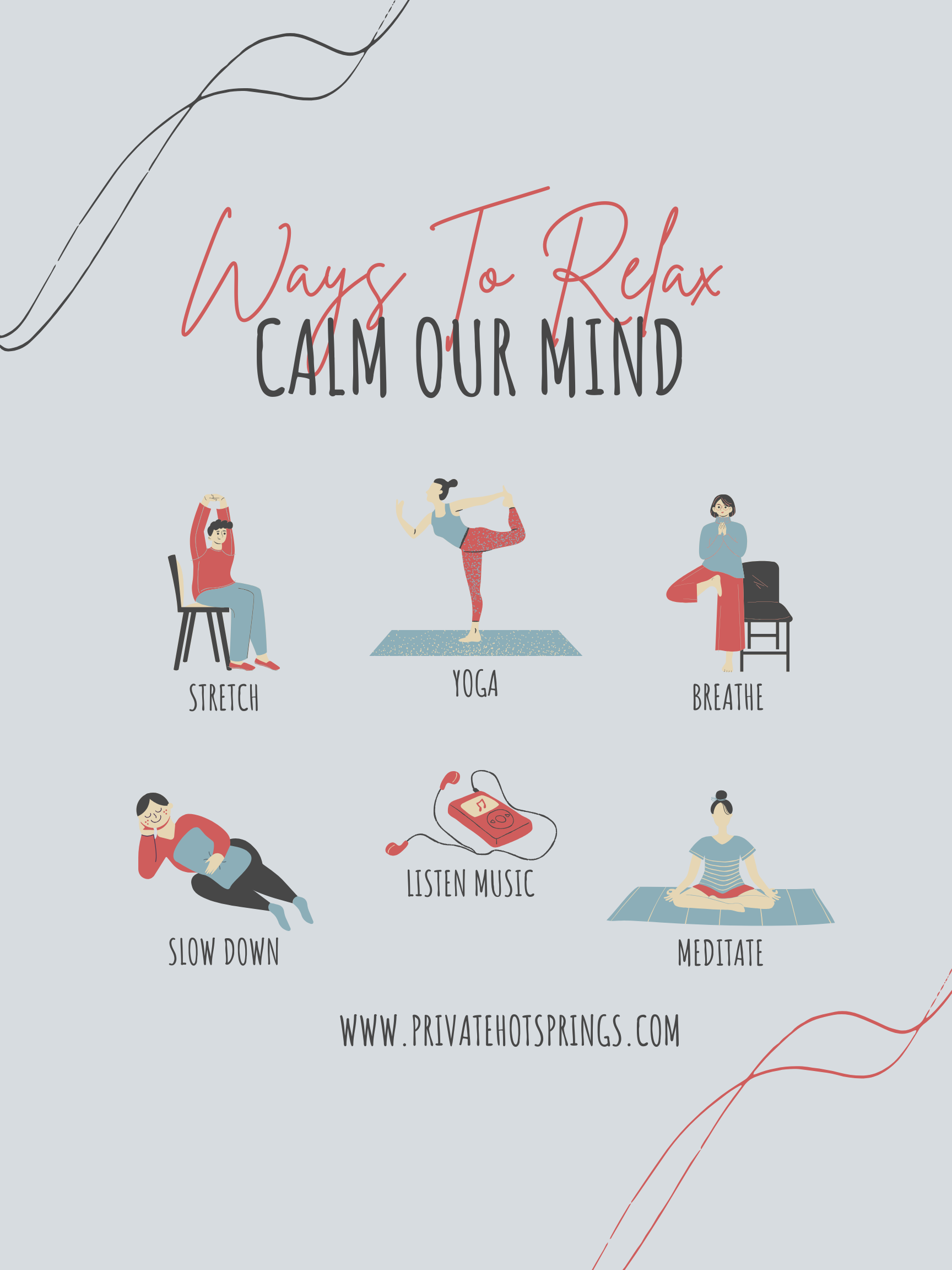
Mental noise surrounds us. In our always-connected world, finding moments of true calm feels like discovering a rare sanctuary. Yet the practice of quieting the mind remains one of our most powerful tools for wellbeing.

Consider these five natural approaches to cultivating inner stillness:

Breathe With Intention

Begin with three deep breaths, drawing air slowly through your nostrils and filling your lungs completely. Release each breath with gentle control. This simple ritual activates your parasympathetic nervous system, naturally lowering stress hormones and creating space for clarity.

Immerse In Nature

Water holds remarkable healing properties. Whether soaking in mineral-rich waters or simply listening to a flowing stream, natural water elements calm the nervous system at a primal level. The Japanese practice of “forest bathing” offers similar benefits through mindful presence among trees.

Engage Your Senses

When mental chatter intensifies, return to your senses. Notice five things you can see, four you can touch, three you can hear, two you can smell, and one you can taste. This ancient grounding technique creates immediate presence and breaks anxiety cycles.

Create Boundaries Of Silence

Carve protected moments of digital absence into each day. Even ten minutes without notifications creates space for your mind to settle into its natural rhythm. Consider this not a luxury but a necessity for mental clarity.

Move With Awareness

Gentle, intentional movement reconnects mind and body. Walking meditation, where each step receives your full attention, transforms a simple activity into a profound calming practice.

True calm isn’t found through force but through gentle invitation. These practices offer pathways to that rare inner quiet we all seek.

www.privatehotsprings.com & www.kootenayhotsprings.com

The Ancient Ritual That Silences Modern Chaos

Test Gadget Preview Image

Water speaks. Air renews. Time stops.

In our relentlessly connected world, true disconnection has become our most precious luxury. The natural hot springs experience offers more than mere relaxation. It presents a sacred ritual for complete mental reset when approached with intention and awareness.

The Arrival Ritual

Begin your transformation before you even touch the water. As you approach the springs, slow your pace deliberately. Notice the changing sounds as civilization fades behind you. Feel the subtle shift in air quality. The ritual begins not with immersion but with arrival.

Leave your devices secured away. Not nearby. Not on silent. Completely removed from your experience. The electromagnetic silence creates space for your own thoughts to surface.

The Immersion Sequence

Enter the mineral-rich waters gradually. Allow your body to acclimate not just to temperature but to the distinct mineral composition that distinguishes these waters from ordinary experiences. The minerals penetrate your skin, creating a subtle dialogue between the ancient earth and your modern body.

Position yourself where you can see the sky. The contrast between the warm embrace of water and the vast openness above creates a perfect tension that anchors you firmly in the present moment.

Breath as Anchor

Your breath becomes the metronome of your experience. Inhale for four counts, feeling the crisp air fill your lungs. Hold briefly. Exhale for six counts, releasing tension with each breath. The steam rising from the water’s surface visualizes this exchange – your concerns dissipating into the atmosphere.

Notice how your breathing naturally synchronizes with the subtle movements of the water. This unconscious alignment signals your nervous system that deep restoration has begun.

The Art of Thermal Cycling

The most transformative practice involves alternating between the hot mineral waters and brief exposure to cooler temperatures. This contrast therapy has been practiced across cultures for millennia, from Nordic traditions to Japanese onsen rituals.

Allow yourself to soak until your body signals complete warmth, typically 15-20 minutes. Then briefly experience cooler air or water before returning to warmth. This cycling creates a physiological reset that transcends ordinary relaxation.

Mindful Completion

Resist the urge to immediately reconnect with the world after your soak. The transition deserves its own sacred space. Sit quietly wrapped in a natural fiber blanket. Feel the minerals drying on your skin. Let your thoughts wander without judgment or purpose.

Hydrate with pure spring water, completing the cycle of purification. Only when you feel fully integrated should you slowly return to your regular pace.

Beyond Relaxation

This ritual offers more than temporary escape. The combination of mineral immersion, intentional breathing, and complete digital disconnection creates lasting neural changes. Regular practitioners report enhanced creativity, improved stress resilience, and a renewed sense of connection to both self and nature.

In our sanctuary of secluded waters, we witness this transformation daily. Guests arrive carrying the weight of their complex lives and depart with a lightness that extends far beyond physical sensation. The ancient wisdom of these waters reminds us that sometimes the most profound advancement comes through returning to our most elemental experiences.


www.privatehotsprings.com & www.kootenayhotsprings.com

Lithium mineral in Natural Springs Reveals Hidden Wellness Potential

Test Gadget Preview Image

Nature holds secrets. Water flows. Minerals heal.

Among the mineral-rich waters that have drawn wellness seekers for centuries, one element stands quietly remarkable yet often overlooked. Lithium, a naturally occurring mineral present in select hot springs worldwide, has emerged in scientific research as a potential ally for mental wellbeing.

The Science Behind Natural Lithium (Lithia mineral)

Unlike its pharmaceutical counterpart prescribed at high doses for bipolar disorder, naturally occurring lithium exists in trace amounts within certain geothermal waters. Research published in the British Journal of Psychiatry examined regions with higher natural lithium concentrations in drinking water and found correlations with lower suicide rates and decreased violent crime.

These findings suggest that even at low doses, this alkaline metal may offer subtle neurological benefits. The mineral appears to modulate neurotransmitter activity and promote neural pathway protection – effects that manifest as improved emotional regulation and stress response.

Where Natural Lithium Waters Flow

Certain hot springs contain notable lithium concentrations due to their geological formations. Springs flowing through ancient volcanic rock or granite deposits often carry this element in solution. Notable lithium-rich springs exist in regions of Japan, Italy, Argentina, and select locations across North America.

The concentration varies significantly between sources. Some contain barely detectable amounts while others offer levels that, while still far below pharmaceutical dosing, provide meaningful exposure through both soaking and occasional consumption.

Balancing Perspective on Natural Exposure

The scientific community maintains measured enthusiasm about natural lithium exposure. A 2020 review in the International Journal of Bipolar Disorders suggests that while evidence points to potential population-level benefits, more research is needed to understand individual effects and optimal exposure levels.

What makes natural springs particularly intriguing is their holistic mineral profile. Lithium rarely exists in isolation but rather alongside magnesium, calcium, potassium and other elements that may work synergistically to support wellbeing.

Beyond Chemical Effects

The potential benefits of lithium-containing springs extend beyond direct chemical interaction. The ritual of immersion, the sensory experience of mineral-rich waters, and the intentional pause from daily stressors create a comprehensive wellness experience.

This aligns with traditional knowledge across cultures that recognized certain waters as having special properties for mental clarity and emotional balance long before modern science identified lithium as a potential factor.

A Natural Approach to Modern Challenges

In our increasingly stress-laden world, ancient solutions offer renewed relevance. The subtle yet meaningful impact of naturally occurring lithium represents one facet of how traditional wellness practices continue finding validation through scientific inquiry.

For those seeking natural approaches to mental wellbeing, hot springs with trace lithium offer an experience that connects ancestral wisdom with emerging research. The waters invite not just physical immersion but a deeper engagement with elements that have quietly supported human health throughout our existence.

As we continue exploring the relationship between natural environments and mental health, lithium-containing springs remind us that sometimes the most profound wellness solutions flow not from laboratories but from the earth itself.


www.privatehotsprings.com

Bookings@privatehotsprings.com

Hot Springs Transform Hormonal Health Through Natural Chemistry

Test Gadget Preview Image

Water heals. Mineral-rich thermal waters offer more than simple relaxation. Scientific research reveals these natural sanctuaries fundamentally rebalance our hormonal systems, creating physiological changes that explain why people leave hot springs feeling transformed.

The human body responds to hot springs immersion with a cascade of hormonal adjustments that modern science has only recently begun to document. These changes affect three critical hormones that regulate stress, sleep, and connection.

Cortisol Regulation

Cortisol, our primary stress hormone, typically follows a natural rhythm that peaks in the morning and gradually declines throughout the day. Research published in the Journal of Physiological Anthropology demonstrates that immersion in warm mineral waters significantly reduces serum cortisol levels.

When we submerge in thermal waters heated to 38-40°C (100-104°F), the body experiences a controlled form of heat stress. This triggers adaptive responses that ultimately lower baseline cortisol production. The effect is particularly pronounced in waters rich in magnesium, which absorbs through the skin during soaking sessions.

Regular hot springs bathing creates a cumulative effect. Studies show consistent thermal therapy can normalize cortisol rhythms disrupted by chronic stress, potentially improving metabolic health, immune function, and cardiovascular regulation.

Melatonin Enhancement

The relationship between body temperature and sleep quality has been extensively documented. Hot springs create an ideal condition for improving melatonin production through a process called passive body heating.

When we soak in thermal waters, our core temperature rises slightly. The subsequent cooling phase after leaving the water triggers increased melatonin secretion from the pineal gland. Research in the International Journal of Biometeorology confirms this temperature fluctuation improves sleep onset and quality.

Minerals commonly found in hot springs, particularly magnesium and lithium, further enhance this effect by calming the central nervous system. The result is deeper, more restorative sleep patterns that many guests report continuing for days after their hot springs experience.

Oxytocin Amplification

Perhaps most fascinating is how hot springs influence oxytocin, often called the “bonding hormone.” This neurohormone regulates social connection, trust, and emotional well-being.

Studies in hydrotherapy settings show that warm water immersion, particularly in natural settings, increases oxytocin production. This explains the profound sense of connection many experience during and after hot springs bathing.

The combination of warmth, buoyancy, and the sensory experience of mineral-rich waters creates optimal conditions for oxytocin release. This hormone reduces anxiety, lowers blood pressure, and promotes feelings of security and well-being.

The Integrated Hormonal Response

What makes hot springs uniquely effective is how they simultaneously influence multiple hormonal systems. Unlike synthetic interventions that target single pathways, thermal mineral waters create an integrated response that balances these interconnected systems.

The scientific literature increasingly supports what traditional cultures have known for centuries: regular immersion in mineral hot springs creates profound physiological benefits that extend far beyond momentary relaxation.

In our modern world of chronic stress and disrupted circadian rhythms, these natural sanctuaries offer something increasingly precious: a return to hormonal equilibrium through the simple act of submersion in the earth’s healing waters.


Let us help you relax.  Book the time to soak, relax, and be stress free.  You deserve it, www.privatehotsprings.com 

bookings@privatehotsprings.com

Hot Springs Therapy Unlocks Natural Depression Relief

Test Gadget Preview Image

Water heals. Bodies respond. Science confirms.

The therapeutic potential of natural hot springs extends far beyond simple relaxation. As rates of depression continue to rise globally, researchers have turned their attention to traditional healing practices, including hydrotherapy in mineral-rich waters. The question emerges naturally: can immersion in thermal springs offer meaningful relief for those struggling with mood disorders?

The human body responds to hot water immersion in fascinating ways. When submerged in heated mineral water, our peripheral blood vessels dilate, circulation improves, and muscle tension releases. This physiological cascade triggers a series of neurochemical changes that directly influence mood regulation systems.

The Science Behind Thermal Water Therapy

Research indicates that regular hot spring bathing may influence several pathways relevant to depression management. The heat exposure activates thermoreceptors throughout the body, stimulating the release of endorphins and other neurotransmitters associated with positive mood states. These natural chemicals function similarly to certain antidepressant medications but without pharmaceutical side effects.

Mineral content matters significantly. Waters rich in magnesium, lithium, and sulfates appear particularly beneficial for neural function. Magnesium absorption through the skin during immersion may help regulate stress hormones. Lithium, even in trace amounts, has long been associated with mood stabilization. Sulfates support critical detoxification pathways that influence brain chemistry.

Beyond biochemistry, the sensory experience itself holds therapeutic value. The weightlessness experienced during water immersion reduces physical stress on joints and muscles. This relief from physical discomfort often translates to psychological ease, creating a window where mental healing becomes possible.

Ritual and Rhythm in Natural Settings

The context of hot spring therapy amplifies its effectiveness. Unlike clinical treatments, thermal springs exist within natural landscapes. This environmental component introduces additional therapeutic elements through exposure to nature, which independently shows strong associations with reduced depression symptoms.

Regular immersion establishes beneficial rhythms. Studies suggest that consistent hydrotherapy sessions produce cumulative effects on mood regulation systems. The ritual aspect—setting aside time for self-care in a specific, healing environment—reinforces neural pathways associated with relaxation and positive emotional states.

Social connection often accompanies traditional hot spring practices. Many cultures worldwide have developed communal bathing traditions that combine hydrotherapy with social interaction. This social dimension adds another layer of benefit, as positive social engagement strongly correlates with depression resilience.

Balancing Perspective and Application

While promising, thermal spring therapy should be viewed as complementary rather than replacement therapy for clinical depression. The research, though encouraging, remains preliminary in many aspects. Individual responses vary based on depression type, severity, and personal health factors.

Water temperature, mineral composition, immersion duration, and frequency all influence outcomes. What works as preventative care may differ from what helps during acute depressive episodes. Professional guidance remains valuable when incorporating hydrotherapy into mental health care plans.

The most compelling approach integrates traditional wisdom with modern understanding. Ancient cultures recognized the healing properties of thermal waters long before science could explain the mechanisms. Today, we can appreciate both the empirical evidence and the lived experience of those who have found relief in natural springs.

As interest in non-pharmaceutical approaches to mental health grows, thermal spring therapy offers a promising avenue worthy of both scientific investigation and personal exploration. The waters that have bubbled from the earth for millennia may hold some of our most valuable resources for modern wellbeing—natural, accessible, and grounded in both tradition and emerging science.


www.privatehotsprings.com

Book your relaxation at bookings@privatehotsprings.com

Your Body’s Hidden Connection That Hot Springs Unlock

Test Gadget Preview Image

Bodies tell stories. Beneath our skin, complex conversations flow between our gut, brain, and outer layer. This intricate network, known as the gut-brain-skin axis, reveals why that soak in mineral-rich waters does more than simply relax your muscles.

Science now confirms what traditional wisdom has suggested for centuries: our digestive system, mental state, and skin health exist in constant communication. This understanding transforms how we view wellness practices like hot springs immersion.

The Three-Way Conversation Within You

Your gut contains millions of neurons and produces most of your body’s serotonin. When stress disrupts this delicate ecosystem, the effects cascade outward. Digestive issues emerge. Skin problems follow. Mental clarity diminishes.

Hot springs offer a rare intervention point in this cycle. The minerals absorbed through your skin speak directly to your nervous system. Heat dilates blood vessels. Circulation improves. Your body receives precisely what it needs to restore balance.

Unlike temporary solutions that address only symptoms, mineral water immersion works at the system level. The body recognizes these elements. Magnesium. Sulfur. Calcium. Lithia. Each plays a role in cellular communication that modern medicine is only beginning to fully appreciate.

Stress Dissolves When Water Flows

The connection works both ways. When you enter thermal waters, your parasympathetic nervous system activates. Heart rate slows. Breathing deepens. Cortisol levels drop. This shift alone would benefit your skin, but the process goes deeper.

As stress hormones decrease, inflammation throughout the body subsides. Your digestive tract relaxes, improving nutrient absorption and reducing irritation. Blood flow increases to the skin, delivering oxygen and removing toxins more efficiently. The result appears as a natural glow that no skincare product can truly replicate.

Research suggests regular thermal bathing may help regulate gut microbiome diversity. These beneficial bacteria influence everything from immune function to mood regulation. The skin, our largest organ, reflects this internal harmony almost immediately.

Beyond Relaxation to Restoration

While many seek hot springs for momentary escape, the most profound benefits emerge through consistent practice. The minerals accumulate in tissues. Stress patterns break. Digestive function normalizes. Skin cell turnover optimizes.

What makes natural hot springs particularly effective is their complete sensory immersion. The sounds of water. The scent of minerals. The weight of your body suspended. The contrast between air and water temperatures. Each element speaks to different neural pathways, creating a whole-system reset that manufactured environments cannot duplicate.

This holistic approach aligns perfectly with how our bodies actually function. We are not compartmentalized systems but interconnected networks where improvement in one area naturally enhances another.

The Wisdom in Water

Traditional cultures worldwide recognized hot springs as sacred healing spaces long before science could explain why. They understood intuitively what research now confirms: immersion healing works through multiple pathways simultaneously.

The gut-brain-skin axis provides the scientific framework for what generations of hot spring enthusiasts have experienced. That post-soak clarity of thought. The improved digestion. The luminous skin quality that persists for days afterward.

In our fragmented approach to health, we often miss these connections. We treat skin conditions without addressing gut health. We seek stress relief without considering inflammation. Hot springs immersion bridges these gaps, offering a truly integrative approach to wellness that honors your body’s innate intelligence.

When you next submerge in mineral waters, notice not just how you feel in the moment, but how your entire system responds in the hours and days that follow. Your gut, brain, and skin will thank you for listening to their conversation.

#wisdom #gutbrain #hotsprings #wellness

www.privatehotsprings.com

bookings@privatehotsprings.com

Remote Work Meets Natural Healing at Hot Springs

Test Gadget Preview Image

Work stress melts away. Bodies heal. Productivity naturally rises.

Remote work has transformed how we balance professional demands with personal wellbeing. Yet many digital nomads find themselves trapped in urban coffee shops or sterile hotel rooms, missing a crucial element of true productivity: genuine restoration.

Hot springs offer remote workers something no standard workspace can provide: mineral-rich waters that heal both body and mind. The natural properties of thermal springs have been revered for centuries for their ability to reduce inflammation, improve circulation, and release tension held in muscles strained from hours at a keyboard. 

The Science of Soaking While Working

Our bodies respond to natural mineral waters in ways that directly enhance our cognitive function. The magnesium commonly found in hot springs is known to reduce cortisol levels, allowing the brain to shift from stress response to creative thinking. Silicon dioxide, another common mineral, supports connective tissue health, addressing the physical toll of desk work.

Remote professionals who choose hot springs as workation destinations report experiencing what can only be described as soul-deep relaxation.  Paula a recent guest at the private hotsprings from Kelowna BC states, “This isn’t superficial relaxation but a profound reset that allows for clearer thinking and more innovative problem-solving”.

Privacy Enhances Productivity

Unlike crowded coworking spaces or busy cafés, premium hot springs destinations offer something increasingly rare: secluded space to think without interruption. This privacy creates the perfect conditions for deep work sessions alternated with rejuvenating soaks.

The natural rhythm created by alternating focused work with immersion in healing waters mirrors what productivity experts have long advocated: the balance of intense concentration with complete mental breaks.

Beyond the Digital Detox

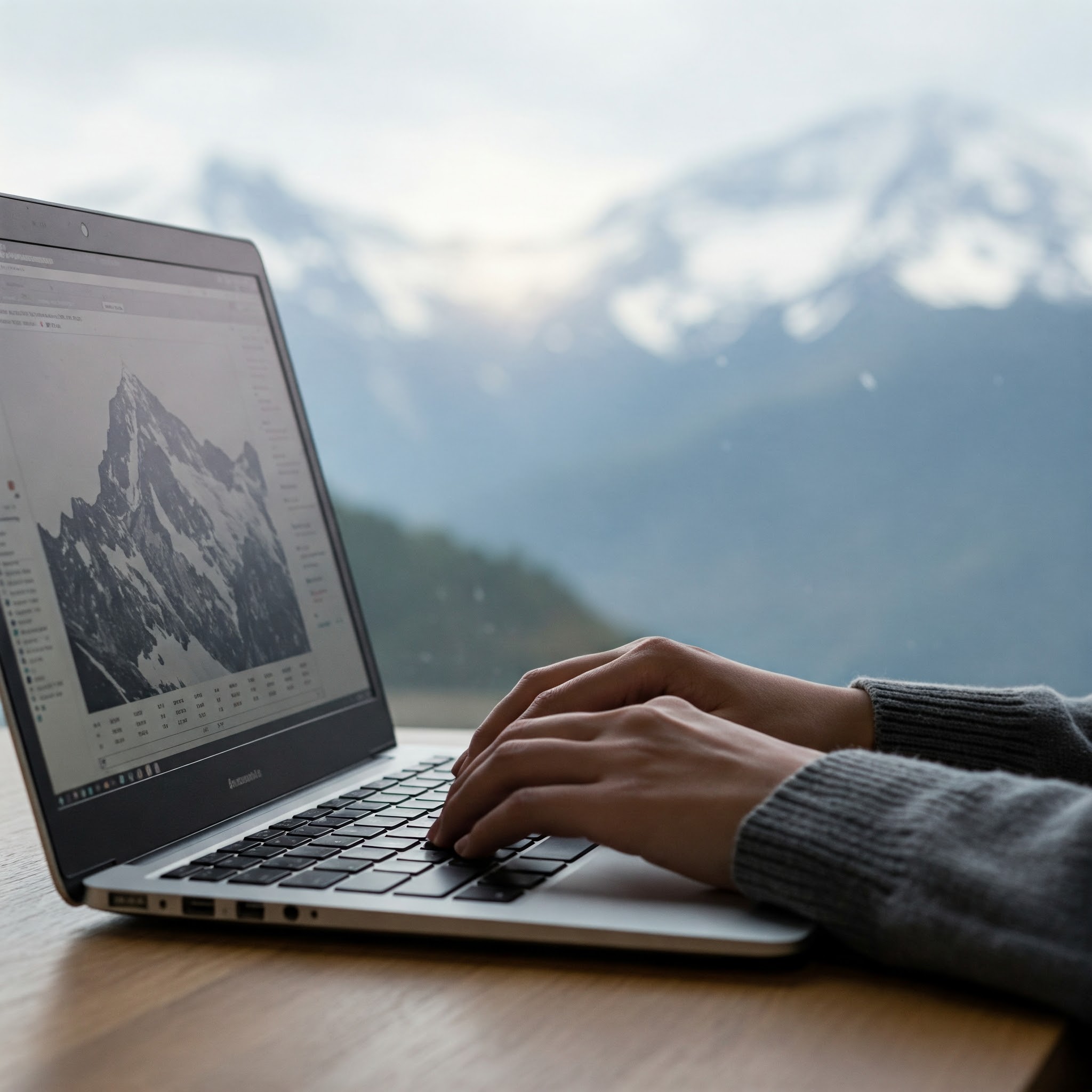
While digital detoxes have their place, your own laptop at hot springs offer something more sustainable. Rather than temporarily abandoning technology, remote workers can integrate natural wellness into their professional lives, creating a sustainable approach to work that acknowledges our need for connection with natural elements.

The ambient sounds of nature, the crisp mountain air, and the grounding experience of being immersed in mineral-rich waters create an environment where remote workers can produce their best work while healing their bodies.

Creating New Work Patterns

Forward-thinking companies are beginning to recognize the value of hot springs calling it “workstations” for their remote teams. Some offer wellness stipends specifically for natural healing retreats, understanding that the return on investment comes in the form of refreshed creativity and reduced burnout.

Individual remote workers are discovering that even short stays at secluded hot springs can reset their relationship with work, establishing healthier patterns that continue long after they return home.

The most valuable resource for any knowledge worker is their mental clarity and physical wellbeing. Hot springs workations represent not just a luxury but a strategic investment in sustainable productivity and innovation.

As the boundaries between work and wellness continue to blur, natural sanctuaries like private hot springs will increasingly become essential destinations for those seeking to work not just differently, but better.

#workstations #privatehotsprings

www.privatehotsprings.com

bookings@privatehotsprings.com

The Secret Getaway Formula Every Friend Group Needs

Test Gadget Preview Image

Your group chat lights up with a familiar question: “When are we finally getting away together?” The idea resonates immediately. Between deadlines, family obligations, and the general chaos of daily life, your friendship circle craves something beyond the usual dinner meetups. You need real connection. True relaxation. 

What if the perfect girlfriends’ getaway isn’t about a specific destination, but rather a winning combination of experiences? Wine, wellness, and hot springs create a trifecta that satisfies every friendship group’s deepest needs.

Why This Combination Works

Wine brings people together. It loosens inhibitions and invites conversation that goes beyond surface-level catching up. It creates a ritual around togetherness that humans have honored for thousands of years.

Wellness activities give purpose and structure. They remind you to care for yourselves—something women often put last on their priority lists. From guided meditation to hotsprings, these experiences create shared memories beyond typical tourist activities.

Hot springs add the element of surrender. There’s something primally satisfying about sinking into warm, mineral-rich waters under open sky. Conversations flow differently when everyone is literally immersed together.

The combination works because it balances indulgence with intention.

Making It Happen

Planning group travel comes with challenges. Different budgets. Competing priorities. Limited vacation days. Yet the wine-wellness-hot springs formula offers flexibility that accommodates various needs.

Start by finding a destination with natural hot springs. Add nearby wineries or tasting rooms. Then look for accommodations that offer some wellness component—even if it’s just a simple yoga deck or hiking trails.

What makes these trips special isn’t fancy accommodations or picture-perfect settings. It’s the intimate conversations that happen while floating in mineral waters. The vulnerable moments during a guided meditation when someone finally releases tears they’ve been holding back for months.

The Real Benefits

Research consistently shows that female friendships significantly improve health outcomes. What’s less discussed is how dramatically these benefits multiply when friendships are maintained through intentional experiences rather than digital communication alone.

The wine opens doors to honesty. The wellness creates space for growth. The hot springs release tension stored in both your bodies and your relationships.

You return home with something beyond souvenirs or photos. You carry renewed connection, replenished energy, and strengthened bonds.

Your friend group doesn’t just need another vacation. It needs a formula that nurtures what makes your connection special in the first place. Wine, wellness, and hot springs might just be the secret combination you’ve been searching for all along.

Next time your group chat lights up with vacation ideas, suggest something different. Something balanced. Something that serves both pleasure and purpose.

After all, the best friendships deserve the best getaways at the www.privatehotsprings.com and www.kootenayhotsprings.com

Your Untapped Stress Superpower Lies In Breathing

Test Gadget Preview Image

Photo: Cedar log cabin lake access Privatehotsprings.com


When stress hits, your body launches into fight-or-flight mode. Your heart pounds, muscles tense, and breathing becomes shallow. This biological response helped our ancestors survive predator encounters, but today it’s triggered by work deadlines, traffic jams, and financial worries. The good news? You already possess the most powerful tool to reverse this cascade of stress – your breath.

Deep breathing isn’t just another wellness trend. It’s a scientifically validated method to shift your nervous system from stress mode to recovery mode in minutes. While most stress management techniques require time, money, or special environments, breathing is free, always available, and works almost immediately.

The Science Behind Your Breath

Every time you take a deep, slow breath, you activate your vagus nerve – the superhighway connecting your brain to organs throughout your body. This triggers your parasympathetic nervous system, which counteracts your stress response.

When you breathe deeply, you’re essentially sending a signal to your brain that says “everything’s okay.” Your brain then reduces production of stress hormones like cortisol and adrenaline. Your heart rate slows, blood pressure decreases, and muscles relax.

Research from Stanford University found that breathing patterns directly affect brain activity, particularly in regions responsible for emotional processing and attention. This explains why proper breathing can quickly shift your mental state from anxious to calm.

The most fascinating aspect? This effect works bidirectionally. While stress affects breathing, deliberately changing your breathing pattern can reduce stress – giving you remarkable control over your physiological state.

Not All Breathing Is Created Equal

Most adults use only a fraction of their lung capacity, breathing shallowly into the chest rather than deeply into the abdomen. This shallow breathing pattern can actually perpetuate stress, creating a problematic cycle.

Diaphragmatic breathing – breathing deeply so your abdomen expands rather than just your chest – delivers the strongest anti-stress effects. This breathing style increases oxygen supply to your brain and triggers the most potent parasympathetic response.

The speed of your breathing matters too. While the average person takes 12-20 breaths per minute, research indicates that slowing to 5-7 breaths per minute optimizes heart rate variability – a key marker of stress resilience.

Transform Your Stress Response

Implementing effective breathing strategies doesn’t require hours of practice. Even two minutes of deliberate breathing can significantly reduce stress levels. Here are evidence-based techniques you can use immediately:

Box Breathing: Inhale for 4 counts, hold for 4, exhale for 4, hold for 4. This technique is used by Navy SEALs to maintain calm under extreme pressure.

4-7-8 Breathing: Inhale for 4 counts, hold for 7, exhale for 8. This pattern emphasizes the exhale, which enhances the parasympathetic response.

Physiological Sigh: Take two short inhales through your nose followed by one long exhale through your mouth. Stanford neuroscientist Andrew Huberman identified this pattern as particularly effective for quickly lowering stress.

The key isn’t which technique you choose, but consistency in practice. Your breathing pattern becomes a habit, and with regular practice, your nervous system becomes more responsive to these interventions.

Beyond Stress Relief

While stress reduction is the most immediate benefit, proper breathing techniques offer broader advantages. Regular practitioners report improved focus, better sleep quality, and enhanced decision-making.

Deep breathing also strengthens your stress resilience over time. Your nervous system becomes more flexible, allowing you to recover from stressful events more quickly. This resilience translates into better emotional regulation and lower baseline anxiety.

Many high performers in business, sports, and creative fields use structured breathing as part of their preparation for challenging situations. They recognize that controlling their physiological state through breath gives them a competitive edge.

The Missing Link

Despite its proven benefits, breath control remains underutilized in mainstream stress management approaches. Perhaps because it seems too simple, or because we take breathing for granted.

The reality is that breathing sits at the intersection of conscious and unconscious control. It’s one of the few autonomic functions you can deliberately regulate, making it a unique gateway to influencing systems that are otherwise automatic.

Think of your breath as the remote control to your nervous system. Learning to use it effectively puts you in the driver’s seat of your stress response rather than being at its mercy.

Your untapped stress superpower isn’t some exotic technique or expensive program – it’s been with you since your first moment of life. By bringing conscious attention to this unconscious process, you access a powerful tool for transforming your relationship with stress. Your next deep breath is the first step.


Try breathing exercises at the privatehotsprings.com while soaking in the hotsprings.