Do Hot Springs Actually Help With Pain/Arthritis?
You step into a hot spring hoping the warmth will ease stiff joints and dull aches that never seem to fade. Many people with arthritis and chronic pain turn to mineral-rich thermal waters as a natural option alongside medical care. The question is whether that soak delivers real relief or just temporary comfort.
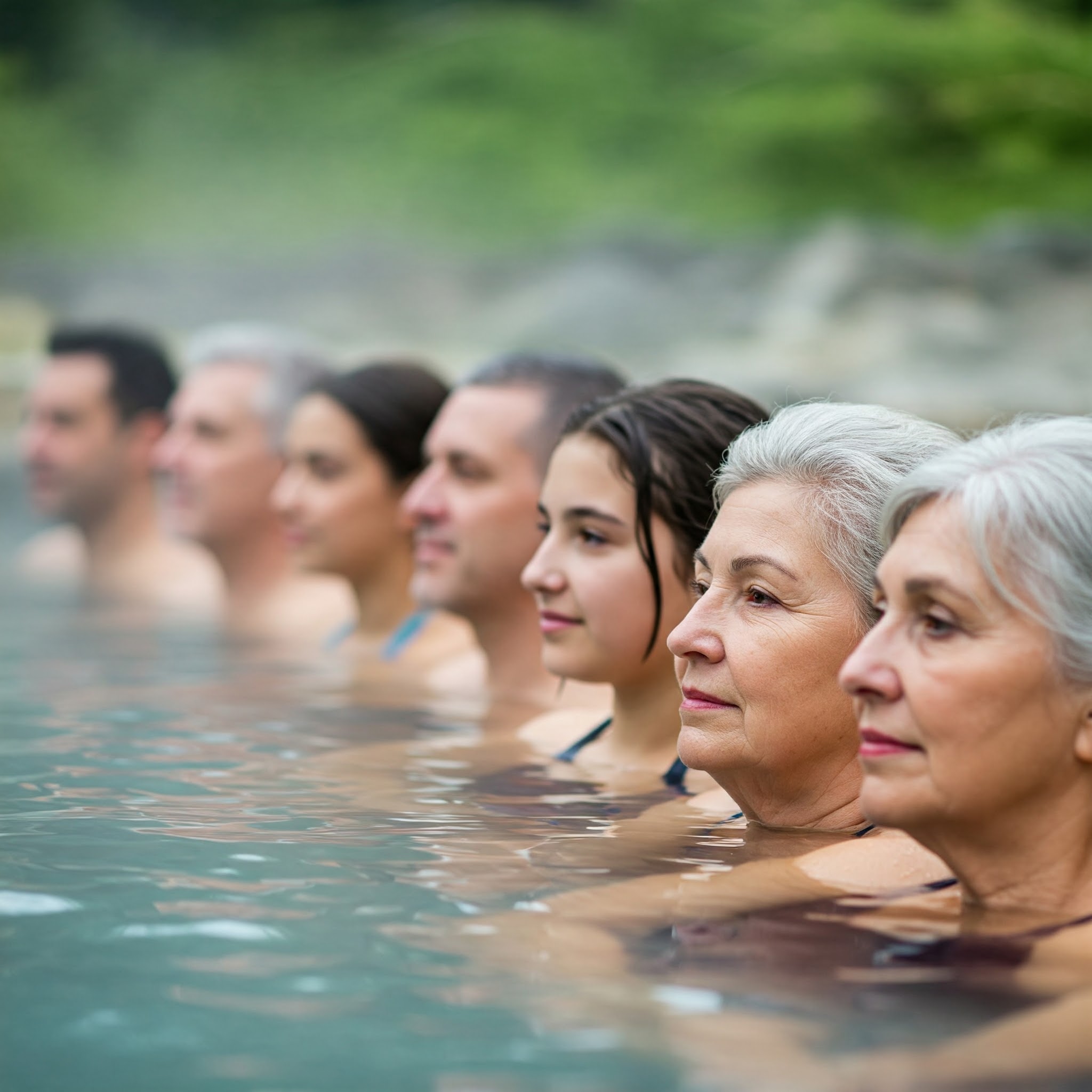
Hot springs can reduce pain and stiffness for many people with arthritis by relaxing muscles, improving circulation, and decreasing pressure on joints, though results vary from person to person. Warm water increases blood flow, which helps loosen tight tissues, while buoyancy supports your body and reduces joint strain. Some studies and surveys report improvements in back pain, arthritis symptoms, and overall well-being after regular soaking.
Minerals such as sulfur, sodium bicarbonate, and magnesium may add mild therapeutic effects, but heat and water immersion do most of the work. The benefits depend on water temperature, soak duration, and your specific condition. Understanding how and when hot springs help allows you to decide whether they fit into your pain management plan.
Key Takeaways
- Warm water immersion can ease joint pain and stiffness through heat and buoyancy.
- Research and user reports suggest short-term relief for arthritis and chronic pain.
- Results depend on individual health, water conditions, and consistent, safe use.
Scientific Evidence on Hot Springs and Pain Relief
Clinical studies show that hot spring bathing can reduce pain and improve joint function, especially in osteoarthritis and chronic low back pain. The benefits appear linked to heat, mineral content, and short-term functional improvements rather than structural joint repair.
Key Studies on Arthritis and Hot Springs
Research on balneotherapy—therapeutic bathing in mineral water—focuses mainly on osteoarthritis, rheumatoid arthritis, psoriatic arthritis, and chronic low back pain.
A review of thermal mineral water therapy in osteoarthritis found measurable reductions in pain and stiffness, along with modest gains in joint function and quality of life. Several trials report improvements after treatment periods lasting two to three weeks.
One large observational study of patients with musculoskeletal disorders reported high rates of symptom relief after bathing for three or more consecutive days. Another study on chronic low back pain found that about half of participants noticed pain reduction within two days.
Survey data from thousands of hot spring users also link bathing with relief from back pain, arthritis symptoms, and related sleep problems. However, many studies rely on self-reported outcomes and short follow-up periods, which limits long-term conclusions.
How Hot Mineral Waters Affect Joints
You experience several physiological effects when you immerse yourself in hot mineral water.
Heat increases blood flow, relaxes muscles, and reduces joint stiffness. Warmer tissues stretch more easily, which can improve range of motion during and shortly after bathing.
Buoyancy decreases the load on weight-bearing joints such as knees and hips. When you weigh less in water, you can move with less pain and strain.
Mineral content—such as sulfur, magnesium, or bicarbonate—may influence skin receptors and local inflammation, although evidence for direct joint penetration remains limited. The therapeutic effect likely results from a combination of:
- Thermal stimulation
- Reduced joint loading
- Muscle relaxation
- Short-term anti-inflammatory responses
These mechanisms explain why many people report symptom relief even though imaging studies do not show structural joint changes.
Comparison With Conventional Therapies
Hot spring therapy does not replace standard arthritis treatment, but you can use it as a complementary option.
| Therapy | Main Benefit | Limitations |
|---|---|---|
| NSAIDs | Reduce pain and inflammation | Gastrointestinal and cardiovascular risks |
| Physical therapy | Improves strength and mobility | Requires ongoing effort |
| Corticosteroid injections | Short-term inflammation control | Temporary effect |
| Hot spring bathing | Pain relief, relaxation, mobility | Effects often short-term |
Balneotherapy resembles aquatic physical therapy but takes place in naturally mineralized water. Unlike medication, it carries low systemic risk for most people, though you should avoid it if you have unstable heart disease or certain infections.
You may notice meaningful symptom relief, especially when combining hot spring use with exercise and medical care. Evidence supports short-term improvement in pain and function, while long-term disease modification remains unproven.
Factors Influencing the Benefits of Hot Spring Therapy
The degree of pain relief you experience depends on the spring’s mineral profile, the water’s heat, and your own health status. These variables shape how your joints, muscles, and nervous system respond to immersion.
Mineral Composition in Different Springs
Not all hot springs contain the same minerals, and their composition can influence how your skin and joints respond. Common dissolved elements include calcium, magnesium, sodium, sulfate, chloride, silica, and trace amounts of lithium or iron.
Some studies suggest that certain minerals may support skin barrier function or reduce mild inflammation when absorbed in small amounts. However, research also shows that only limited quantities of most minerals pass through intact skin. You should not expect high systemic absorption from bathing alone.
Silica-rich waters may leave your skin feeling smoother, while sulfur-containing springs can produce a noticeable odor and may help some people with certain skin conditions. The effect on arthritis pain likely comes more from heat and buoyancy than from mineral absorption.
Microbial content also varies. Natural springs can contain free‑living organisms, which makes water quality monitoring important, especially if you have open wounds or a weakened immune system.
Water Temperature and Immersion Time
Water temperature directly affects circulation, muscle relaxation, and joint stiffness. Most therapeutic hot springs range between 98°F and 104°F (37°C to 40°C).
Warm water increases blood flow to muscles and soft tissues. This can reduce stiffness and improve short-term mobility, particularly if you have osteoarthritis. Buoyancy also decreases joint load, which allows you to move with less pain.
However, hotter is not better. Prolonged exposure above 104°F can strain your cardiovascular system and lead to dehydration or dizziness. Limit sessions to 15–20 minutes at a time, especially during your first visit.
If you have inflammatory arthritis, very high temperatures may temporarily worsen swelling. In that case, slightly cooler pools may feel more comfortable and still provide benefit.
Individual Health Considerations
Your medical history plays a major role in how safe and effective hot spring therapy will be. Conditions such as heart disease, uncontrolled high blood pressure, diabetes with nerve damage, or pregnancy require caution.