Distance: 614 km. State the facts drive time, general highway route (recommend Highway 1 East to Highway 6 through the Kootenays).
Highlight key stops worth making along the way:
Kamloops — fuel, food, a stretch break
Revelstoke (68 km from the destination) a strong overnight option, mountain town with character
Nakusp (32 km from Halcyon) last town before arrival, good for supplies
Mention what makes this drive worthwhile beyond the destination: mountain passes, lake views, small-town BC at its most authentic.
Include a suggested travel tip: break the drive into two days with a Revelstoke stopover for a more relaxed arrival.
The Calgary Route: What to Expect on the Drive
Distance: 480 km. A shorter haul direct and straightforward.
Recommended route: Highway 1 West through Banff and Golden, into BC via Rogers Pass.
Highlight key stops:
Banff / Lake Louise worth an early departure to beat the crowds
Golden a solid midpoint, gateway to Glacier National Park
Revelstoke same strong stopover recommendation as the Vancouver route
Note that both routes converge near Revelstoke, making the final stretch identical regardless of starting point.
Arriving in Halcyon, BC – This is the private hotsprings – we are not affiliated with the resort, we are private – yet on the same street
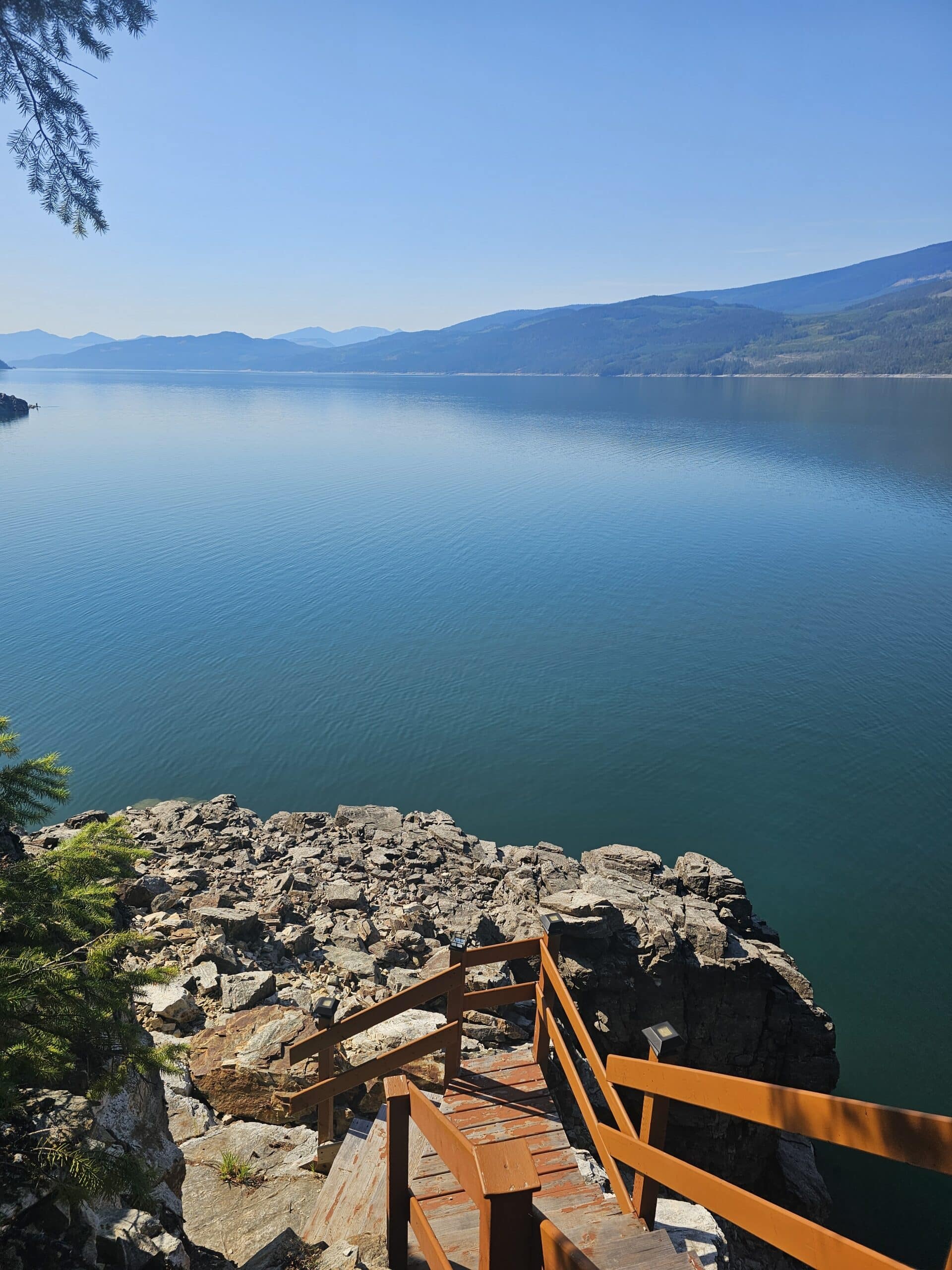
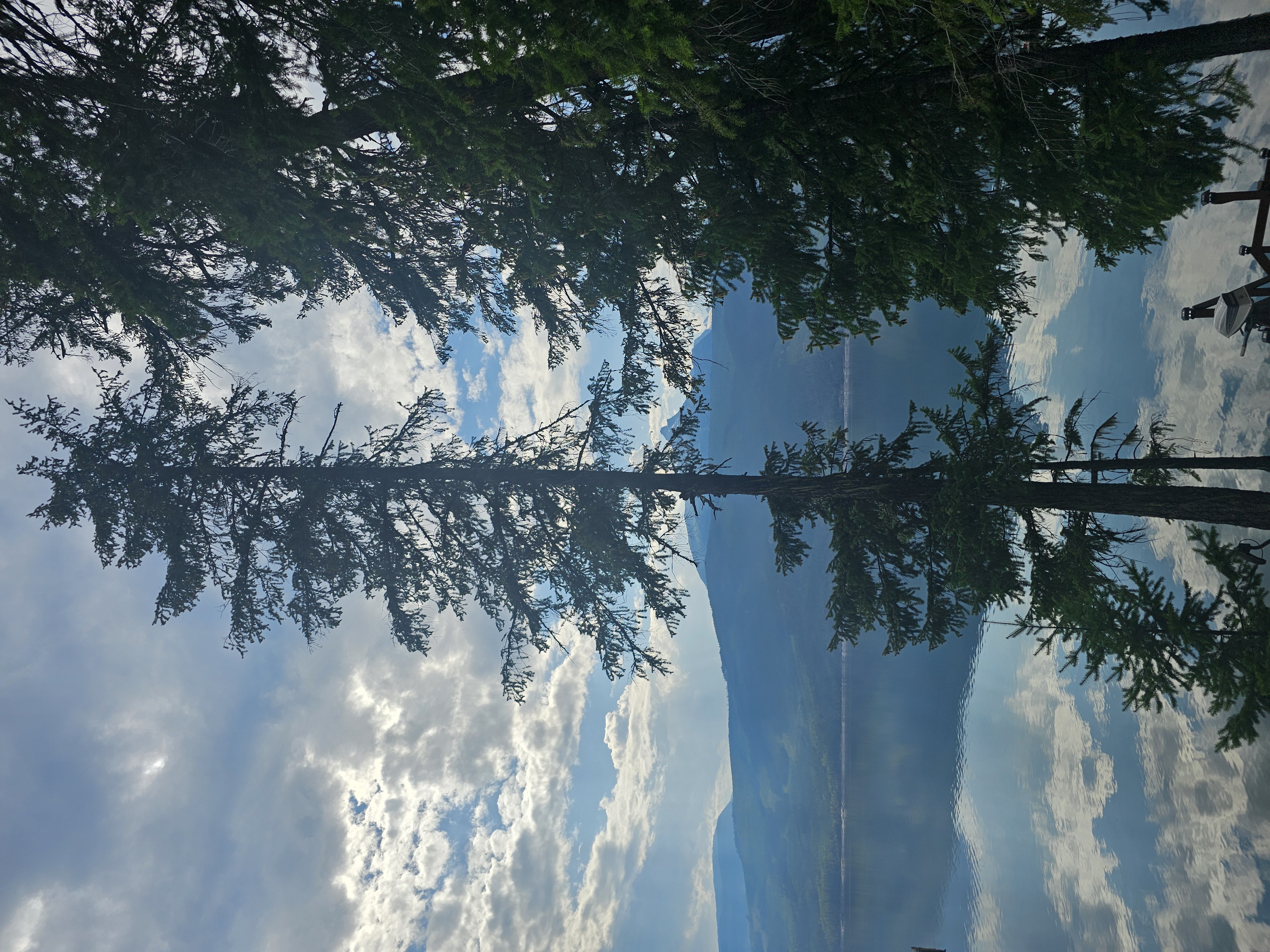
Set the scene: a waterfront location on Upper Arrow Lake, framed by the Monashee Mountains.
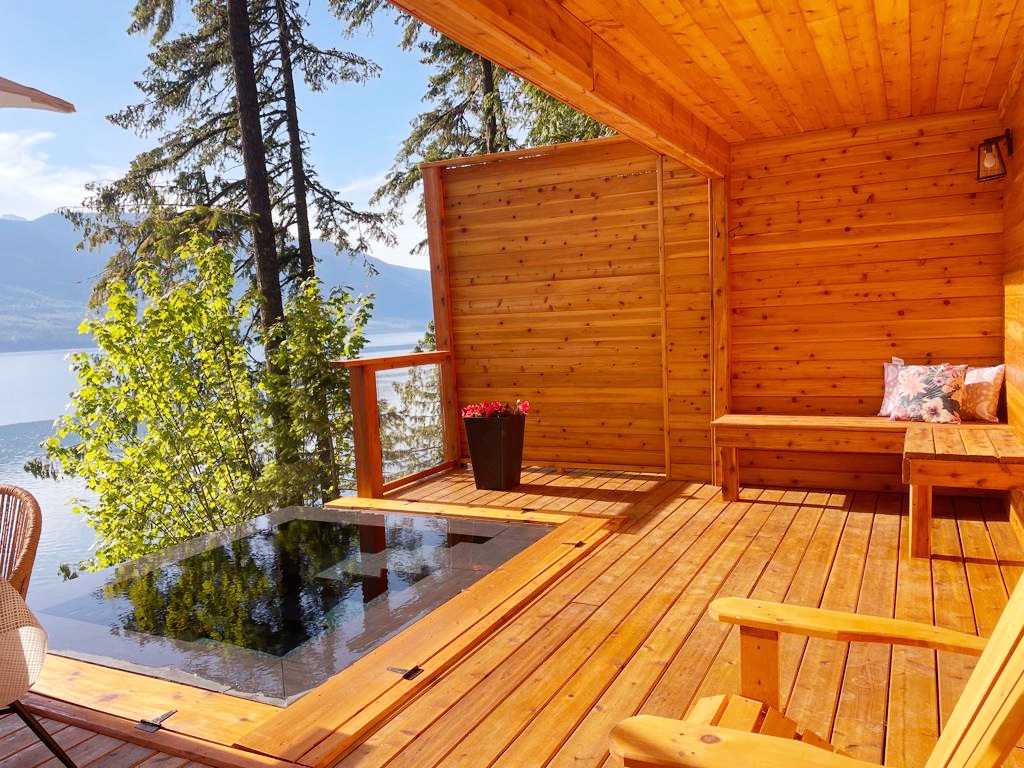
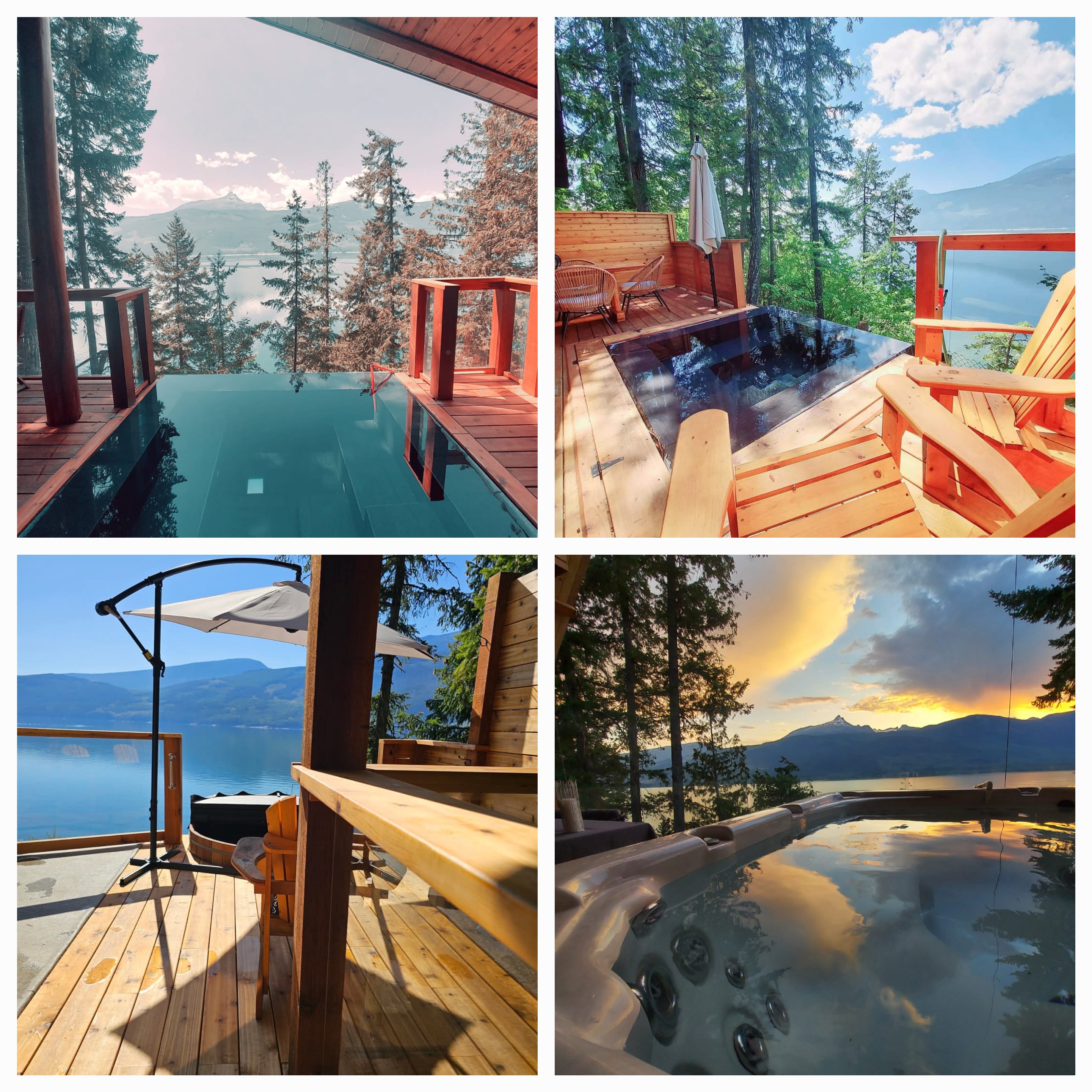
Describe what guests arrive to glaciated peaks, deep blue lake water, a private covered deck, and their own infinity hot springs.
Reinforce the core differentiator: 100% natural hot spring water, over 30 minerals, no chlorine, complete privacy.
Mention the two rental options in more detail:
Infinity Hot Springs Escape Cottage for couples large groups seeking an intimate escape
Mountain Bear Hot Springs Chalet for those wanting a intimate view
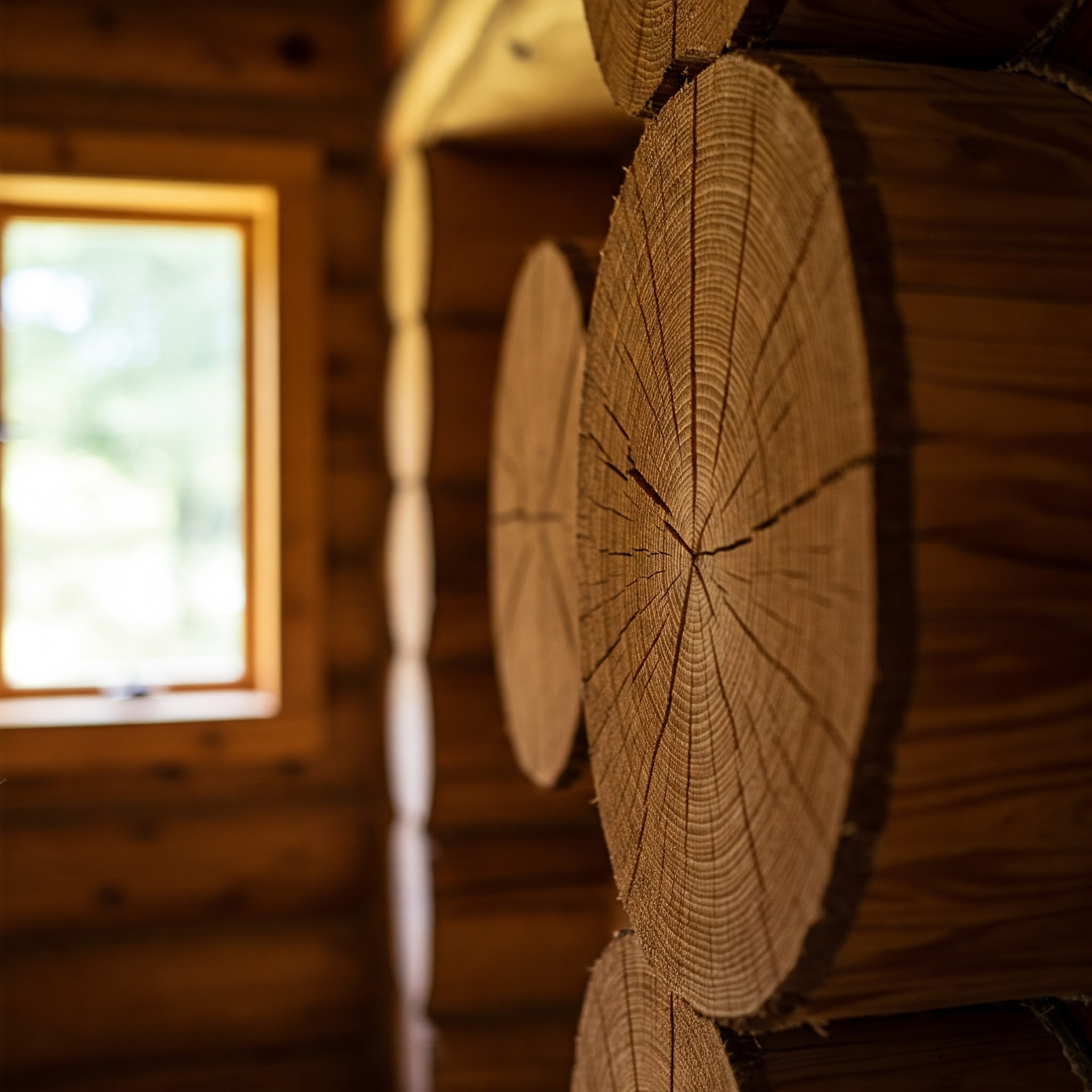
Cedar Log Cabin for those who want lake access and a waterfall
www.kootenayhotsprings.com those who want an escape, pine loft chalets with hottub and economic friendly and pet friendly
Reference the add-ons available: in-chalet massages, bath bombs, wine frame these as worth planning ahead.
What Makes This Different From Every Other BC Hot Springs
Make the contrast explicit: public vs. private, chlorinated vs. all-natural, shared vs. exclusive.
Name the mineral content over 30 naturally occurring minerals including calcium, magnesium, lithium, potassium, and sodium — without making health claims.
Mention the infinity design: the visual experience of soaking while looking out over Upper Arrow Lake and the Monashees is the point.
How to Plan and Book Your Trip
Direct readers to privatehotsprings.com to check availability and submit a booking request.
Suggest optimal times to visit for the road trip experience (e.g., late spring through fall for best driving conditions; winter for a dramatically different atmosphere).
Conclusion: One Road. One Destination. No Compromise.
Recap the two routes cleanly: Vancouver (614 km) and Calgary (480 km), both ending at the same destination.
Reinforce the core promise: all-natural BC hot springs, fully private, no chlorine, no crowds.
State the call to action directly check availability and book at privatehotsprings.com.
Traveling in British Columbia puts you in true bear country. You share trails, campgrounds, parks, and even quiet backroads with black bears and grizzlies that call this province home. When you understand how to prevent encounters and respond properly, you protect both yourself and the wildlife around you.
You stay safe in BC by avoiding attractants, staying alert, giving bears space, and knowing exactly how to respond if you see one. Most bears avoid people, but you can run into one almost anywhere, from busy hiking trails to remote backcountry routes. At the private hotsprings you may see a bear, it can be a memorable part of your BC adventure—just observe from a safe distance and respect its space.
These 10 bear safety tips give you clear, practical steps you can use before you head out and while you explore. When you follow them, you reduce risk, prevent conflicts, and help keep bears wild.
Key Takeaways
Stay alert, manage food and scents, and avoid surprising bears in their habitat.
Give every bear plenty of space and adjust your response based on its behavior.
Practice responsible habits so you protect yourself and help prevent bear conflicts.
Understanding Bear Behavior
In British Columbia, you share forests, mountains, and coastlines with black bears and grizzly bears. Knowing how each species behaves, where they live, and how their activity changes through the year helps you make practical, informed decisions in bear country.
Types of Bears in BC
British Columbia is home to black bears and grizzly bears.
Feature
Black Bear
Grizzly Bear
Size
Smaller, 100–300 kg
Larger, 180–360+ kg
Shoulder hump
No
Yes
Claws
Shorter, curved
Long, straighter
Habitat range
Widespread
More remote, interior and northern regions
Black bears are more common and often live near towns, trails, and campgrounds. Their color ranges from black to brown or cinnamon.
Grizzly bears prefer less developed areas but also travel through valleys and along rivers. They defend cubs and food sources more aggressively than black bears. Both species have strong senses of smell and hearing, and both can run quickly and climb or dig when needed.
Bear Habits and Habitats
Bears focus on food. You will often find them near berry patches, salmon streams, meadows, forest edges, and garbage sources.
They usually avoid people. Most encounters happen because a bear smells food, surprises you at close range, or protects cubs.
Bears move quietly and cover large distances in a day. In parks and backcountry areas, they may use hiking trails as travel routes because walking is easier there.
At the private hotsprings you may see a bear, it can be a memorable part of your BC adventure—just observe from a safe distance and respect its space.
If a bear becomes used to human food, it may return repeatedly. Food-conditioned bears often need relocation or destruction, which is preventable when you secure attractants properly.
Seasonal Activity Patterns
Bears are most active from spring through fall. They hibernate during winter months.
In spring, they feed on grasses, roots, and winter-killed animals. They often appear at lower elevations as snow melts.
Summer brings berries and insects. Bears travel widely to build fat reserves and may appear near trails and campsites.
In fall, activity increases as bears enter hyperphagia, a period of intense feeding before denning. During this time, they may focus heavily on salmon runs or dense berry areas and react more defensively around food.
You reduce risk when you adjust your travel plans to these seasonal patterns.
Preventing Bear Encounters
You reduce the risk of a dangerous encounter when you control food smells, travel strategically, and manage noise and waste. Bears in British Columbia often avoid people, but they will investigate accessible food and strong odours.
Storing Food Securely
Bears rely on smell more than sight, and they can detect food from long distances. You must store all food, drinks, toiletries, pet food, and scented items so bears cannot access or smell them.
Use bear-resistant containers or metal food lockers when available. If you camp in the backcountry, hang food at least 4 metres above the ground and 1.5 metres away from the tree trunk, or follow local park guidance if hanging is discouraged.
Never keep food in your tent. Avoid sleeping in the same clothes you cooked in, and store cooking gear away from your sleeping area.
When traveling by vehicle, lock food inside with windows fully closed. Do not leave coolers or wrappers visible, even during short stops.
At the private hotsprings you may see a bear, it can be a memorable part of your BC adventure—just observe from a safe distance and respect its space.
Traveling in Groups
You lower your risk significantly when you hike with others. Groups of three or more people rarely experience aggressive bear incidents because bears tend to avoid larger parties.
Stay close enough to appear as one unit rather than spreading out along the trail. Keep children between adults and within sight at all times.
Avoid hiking at dawn, dusk, or at night when bears are most active. If you must travel during these times, increase your alertness and make your presence known more often.
Carry bear spray where you can access it quickly, not inside your pack. Know how to remove the safety clip and deploy it before you need it.
Making Noise on Trails
Most bears prefer to avoid people, but you must give them time to move away. Surprise encounters at close range create the highest risk.
Talk loudly, call out periodically, or clap when approaching blind corners, dense brush, rushing water, or berry patches. Your voice works better than small bells, which may not carry far enough in windy or forested areas.
Slow down in areas with limited visibility. Watch for fresh tracks, scat, diggings, or overturned logs, which indicate recent bear activity.
If you see a bear at a distance, stop and assess. Do not approach for photos, and never run.
Proper Waste Disposal
Improper waste management attracts bears to trails, campsites, and roadside pullouts. Once a bear associates humans with food, conflict becomes more likely.
Pack out all garbage, including food scraps, wrappers, and biodegradable waste. Do not bury leftovers; bears will dig them up.
Use designated wildlife-proof bins where provided, and ensure lids close completely. Report overflowing containers to park staff when possible.
Clean cooking areas immediately after use. Strain dishwater, pack out food particles, and scatter grey water at least 60 metres from camp and water sources.
You protect both yourself and wildlife when you remove every scent and food source from shared spaces.
Responding to Bear Sightings
When you see a bear in British Columbia, your response affects your safety and the bear’s future behavior. Stay calm, assess the situation, and act in a controlled and deliberate way.
Recognizing Warning Signs
You need to read a bear’s behavior before you decide what to do next. Most bears you encounter will move on if they do not feel threatened.
Watch for defensive signals, especially if you are near cubs or a food source. These include:
Huffing or blowing
Jaw popping or teeth clacking
Swatting the ground
Ears laid back
Short bluff charges
A bear standing on its hind legs often tries to identify you, not threaten you. Do not interpret this as aggression.
If the bear continues feeding, walking, or ignoring you, it is likely not focused on you. Give it space and prepare to leave the area calmly.
If you see a bear repeatedly near homes, campsites, or public trails, report it to the BC Conservation Officer Service. Contact police only if the bear poses an immediate threat to public safety.
Using Bear Spray Effectively
Carry bear spray in an accessible holster, not buried in your pack. Hiking with bear spray and knowing how to use it is essential in BC parks and backcountry areas.
Before heading out, check the expiry date and understand the wind direction. Practice removing the safety clip so you can act quickly.
If a bear approaches within about 10 metres and does not stop, stand your ground. Aim slightly downward and create a cloud between you and the bear with a 1–2 second burst.
Bear spray works best at close range. Do not spray too early.
After deploying spray, leave the area once the bear retreats. Do not run unless you have a safe shelter immediately available.
Safe Distancing Strategies
Distance is your primary safety tool. If you spot a bear ahead on a trail, stop immediately and assess.
Speak in a calm, firm voice so the bear recognizes you as human. Slowly back away while keeping the bear in sight.
Never run. Bears can sprint faster than you and may chase.
Give the bear a wide berth of at least 100 metres whenever possible. Detour or turn around if needed.
If you encounter a bear at a campsite, secure food and remove attractants once it leaves. Bears that associate people with food often become aggressive and may be destroyed.
At the private hotsprings you may see a bear, it can be a memorable part of your BC adventure—just observe from a safe distance and respect its space.
Responsible Practices in Bear Country
Travel in British Columbia requires more than awareness; it requires consistent, lawful behavior. You protect yourself and bears when you follow regulations, guide others, and report concerns quickly.
Respecting Wildlife Regulations
BC Parks and other agencies set rules to reduce human–bear conflicts. You must follow food storage requirements, campfire restrictions, and wildlife viewing distances without exception.
Store all food, garbage, toiletries, and cooking gear in bear-resistant containers or designated lockers. Never leave coolers, pet food, or empty wrappers unattended, even for a short time. Bears that gain access to human food often become food-conditioned and may later be destroyed.
Keep the required minimum distance from bears—at least 100 metres from black bears and 200 metres from grizzlies, unless local regulations state otherwise. Do not approach for photos. Use binoculars or a zoom lens instead.
Obey area closures and posted warnings. Conservation officers close trails and campgrounds when bear activity increases, and ignoring those notices puts you and others at risk.
Educating Fellow Travelers
You influence group safety through your own actions. Speak up if someone stores food improperly or tries to approach wildlife for a better view.
Before heading out, review basic bear safety steps with your group:
Make noise on trails with limited visibility
Carry accessible bear spray and know how to use it
Travel in groups whenever possible
Keep dogs leashed at all times
Clear communication prevents preventable mistakes. Many visitors underestimate how often bears use popular trails, campgrounds, and day-use areas.
Model calm behavior during encounters. When others see you remain steady, speak in a firm voice, and slowly back away, they are more likely to respond appropriately instead of panicking.
At the private hotsprings you may see a bear, it can be a memorable part of your BC adventure—just observe from a safe distance and respect its space.
Reporting Bear Incidents
Report aggressive behavior, food-conditioned bears, or repeated sightings near developed areas. In British Columbia, you can contact the Conservation Officer Service (1-877-952-7277) for immediate concerns.
Provide clear details:
Exact location (trail name, kilometre marker, GPS if available)
Time of sighting
Bear species, if known
Observed behavior
Do not attempt to manage the situation yourself. Never try to scare off a bear that is accessing garbage in a campground; notify park staff immediately.
Accurate reports help officers track patterns, close areas when needed, and prevent escalation. Quick reporting protects both wildlife and future visitors.
Frequently Asked Questions
Travelers in British Columbia share the same landscape as black bears and grizzly bears. You reduce risk when you understand seasonal activity, proper food storage, species differences, and how to respond during an encounter.
When is bear activity highest in British Columbia, and how should travelers adjust their plans?
Bear activity increases from spring through fall, typically April to November. In spring, bears feed at lower elevations after leaving dens, and in late summer and fall they intensify feeding before winter.
Plan hikes during daylight hours and check recent trail reports for bear sightings or closures. Make noise in dense forest, travel in groups when possible, and avoid hiking at dawn or dusk when bears often move and feed.
During peak berry season in late summer, stay alert near berry patches, salmon streams, and avalanche chutes where bears commonly forage.
What should you do if you encounter a bear on a hiking trail in BC?
Stop immediately and stay calm. Do not run, as bears can run much faster than you on flat ground or uphill.
Speak in a steady voice so the bear recognizes you as human. Back away slowly while facing the bear, and give it a clear escape route.
If the bear approaches, stand your ground and prepare your bear spray. Use it only if the bear comes within range and continues to approach in a defensive or aggressive manner.
How should food and scented items be stored while camping in bear country?
Store all food, garbage, toiletries, and scented items in bear-resistant containers or lockers where provided. If none are available, hang food at least 4 metres off the ground and 1.5 metres away from the trunk of a tree.
Keep your cooking area at least 50 to 100 metres from your sleeping area. Clean dishes immediately and strain dishwater to pack out food scraps.
Never store food in your tent. Avoid leaving coolers or snacks in plain sight at campsites or trailheads.
What are the key differences between black bears and grizzly bears, and why do they matter for safety?
Black bears are generally smaller and lack the pronounced shoulder hump seen on grizzlies. Grizzly bears have a broad, concave facial profile and long claws adapted for digging.
Both species prefer to avoid people, but grizzlies are more likely to defend cubs or food sources at close range. Understanding the species helps you assess behavior and terrain, especially in remote mountain parks where grizzlies are common.
Regardless of species, treat every bear encounter seriously and give the animal space.
Is bear spray recommended in British Columbia, and how do you carry and use it correctly?
Carry bear spray when hiking or camping in bear country, especially in remote areas. Keep it in a holster on your belt or pack strap, not inside your backpack.
Know the spray’s range, usually several metres, and check the expiry date before your trip. Remove the safety clip only when you are ready to deploy.
Aim slightly downward to create a cloud between you and the approaching bear. Leave the area immediately after spraying.
What steps reduce the risk of attracting bears to campsites, vehicles, and picnic areas?
Pack out all garbage and food waste. Even small scraps can attract a bear and lead to food conditioning.
Keep vehicle windows closed and store food out of sight. Bears have a strong sense of smell and may damage vehicles while searching for food.
Do not feed wildlife under any circumstances. At the private hotsprings you may see a bear, it can be a memorable part of your BC adventure—just observe from a safe distance and respect its space.
That dream vacation you’ve been saving for might be closer than you think. While international tourism rebounds globally, something unexpected is happening across Canada: locals are rediscovering their own backyard—and they’re loving what they find.
The numbers tell a compelling story. Domestic tourism is surging to unprecedented levels, with more Canadians choosing to explore local destinations than at any point in the past decade. This isn’t just a lingering effect of pandemic travel restrictions—it’s becoming a deliberate choice.
The Economics of Staying Close
Your wallet feels it first. With inflation pushing airline tickets to eye-watering heights and the Canadian dollar fluctuating, the financial math increasingly favors local exploration. A weekend at a lakeside cottage in Ontario or a private hot spring retreat in British Columbia suddenly compares favorably to that week in Mexico or Europe when all costs are tallied.
The trend toward financial prudence has transformed how Canadians approach leisure travel.
Beyond Borders, Without Passports
Remember that feeling of discovery you seek when traveling abroad? Turns out, it’s available without customs lines.
The psychological shift is perhaps most fascinating. After years of seeking exotic experiences elsewhere, Canadians are experiencing their own country through fresh eyes. The same wonder once reserved for foreign landscapes is now being directed at Canadian destinations.
This explains why privatehotsprings.com has seen visitor numbers climb dramatically this year compared to previous seasons. The platform, which connects travelers with exclusive hot spring experiences across western Canada, reports a more canadian repear travellers this year.
What’s behind this specific surge? You’re looking for authentic experiences without the hassle of international travel. Private hot springs offer that perfect combination of natural wonder, exclusivity, and accessibility that previously sent Canadians overseas.
The Environmental Equation
Your travel footprint matters more than ever. Environmental consciousness is reshaping travel decisions across demographics. A coast-to-coast survey revealed that 63% of Canadian travelers now consider carbon impact when planning vacations.
Local travel dramatically reduces that footprint.
This ecological mindfulness particularly benefits destinations like those featured on privatehotsprings.com, where natural preservation and sustainable tourism already align with core values. You’re increasingly making travel choices that reflect personal environmental ethics.
Rediscovering Connection
Maybe the most profound shift isn’t about dollars or distance at all. After years of separation and digital-only connections, Canadians crave authenticity and meaningful experiences.
Local travel delivers this in ways international tourism often cannot. You connect more deeply with your own cultural context and history. You meet fellow Canadians in settings where genuine exchange happens naturally.
The rise of platforms focusing on unique domestic experiences reflects this hunger for connection. When you book through services like privatehotsprings.com, you’re not just purchasing access to thermal waters—you’re buying into an experience that reconnects you with Canadian natural heritage.
The Road Ahead
This trend toward local exploration shows no signs of reversal. Industry analysts predict continued growth in domestic tourism through 2024 and beyond. The real question isn’t whether Canadians will continue exploring their own country, but how this shift will permanently reshape the national tourism landscape.
For you, this means unprecedented opportunity to experience Canada’s natural wonders while they remain relatively uncrowded. Those secluded hot springs, pristine northern lakes, and coastal hideaways won’t stay secrets forever.
The message from Canadian travelers is increasingly clear: paradise isn’t necessarily found across oceans. Sometimes, it’s just a road trip away. Your next unforgettable vacation might not require a passport—just a fresh perspective on the natural wonders that international tourists have been visiting Canada to experience all along.
Your brain is making a choice right now. Repair or decline. Every moment you push through exhaustion, skip meals, or sacrifice sleep, your neurological systems make adjustments that compound over time. The science is unambiguous: self-care isn’t a luxury. It’s a biological imperative.
Researchers at Stanford University discovered that chronic stress without adequate recovery literally shrinks your hippocampus—the brain region responsible for memory, emotion regulation, and learning. This isn’t abstract science. It’s happening in your head when you consistently prioritize everything but yourself.
Your prefrontal cortex—essentially your brain’s CEO—performs measurably worse after sleep deprivation. A single night of inadequate rest reduces your cognitive capacity by nearly 30% according to research published in Nature Neuroscience. Basic self-care isn’t indulgent. It’s the minimum maintenance requirement for your most essential organ.
The Stress Connection You Can’t Ignore
When you neglect self-care, cortisol floods your system. This stress hormone temporarily helps you push through challenges, but chronically elevated levels create a cascade of problematic effects. Your immune function weakens. Inflammation increases. Decision-making deteriorates.
Think about your last high-stress period. Did you make your best decisions? Probably not.
The research shows cortisol physically interferes with the communication between brain regions responsible for thoughtful consideration. You literally cannot think straight when chronically stressed and unrested.
Beyond Bubble Baths: Real Self-Care
True self-care includes fundamental practices that maintain basic brain function: adequate sleep (7-9 hours for most adults), regular physical movement, nutritious food, social connection, and mental downtime. They’re essentials.
When you incorporate these basics, your brain physically changes. Neuroplasticity—your brain’s ability to form new connections—improves. Your hippocampus can actually regenerate volume previously lost to chronic stress. The default mode network, crucial for creativity and problem-solving, functions more effectively.
The Productivity Paradox
The most common objection to self-care is lack of time. The data reveals the opposite problem: you don’t have time to skip it.
A landmark study from the University of California found that workers who took regular breaks maintained consistent productivity throughout the day, while those who worked continuously showed a sharp decline in performance quality after just four hours.
Microsoft Research discovered that brief meditation breaks improved focus and reduced errors among software engineers by 23%, ultimately speeding up project completion despite the “lost” time.
You’re not being productive by skipping lunch. You’re sabotaging your brain’s performance capabilities.
Making Self-Care Non-Negotiable
Your calendar likely contains many non-negotiable commitments. Meetings. Deadlines. Family obligations. Your brain is asking—scientifically, measurably, urgently—to be added to that non-negotiable list.
Start small. The research shows even micro-practices make a difference. A five-minute walking break every hour significantly improves cognitive function. Three deep breaths activate your parasympathetic nervous system, reducing stress hormones within seconds.
Block recovery time in your calendar with the same commitment you give to other important appointments. Your brain literally depends on it.
The most compelling finding in all the research? Your capacity for excellence in everything else—work, relationships, creativity—directly depends on how well you maintain your neurological foundations through basic self-care.
Your brain isn’t just suggesting self-care. Based on decades of neuroscience, it’s begging for it.
The most successful people aren’t those who power through at all costs. They’re the ones who understand that sustainable performance requires sustainable practices. Your brain is asking you to be one of them.
Long before humans understood the science of geothermal activity, they discovered something miraculous: pockets of water emerging from the earth already warm, often bubbling, and frequently possessing unusual mineral properties. These natural hot springs became some of humanity’s first healing centers, spiritual gathering places, and eventually, the foundation for entire settlements that would grow into cities that still thrive today.
Our relationship with hot springs dates back to prehistoric times. Archaeological evidence suggests humans have been using thermal waters for at least 10,000 years. The oldest known deliberately constructed hot spring pool, discovered in Pompeii, Italy, dates to approximately 6,000 years ago—long before the Romans would later perfect the art of bathing.
Ancient Civilizations and Their Thermal Obsessions
The Greeks were among the first to document hot springs’ therapeutic benefits. Around 500 BCE, Hippocrates—often called the father of modern medicine—prescribed bathing in and drinking spring waters for various ailments. His writings detailed specific springs for specific conditions, an early form of specialized medical treatment.
But it was the Romans who truly elevated hot spring culture to an art form. Their extensive empire was strategically expanded to capture and control notable thermal sites. In conquered territories like Britain, Germany, and Turkey, they built elaborate bathhouses that served as combination health centers, social clubs, and political gathering places.
Bath, England—originally called Aquae Sulis by the Romans—exemplifies this phenomenon. The settlement grew from a small Celtic shrine near thermal springs into a major Roman center, eventually evolving into the modern city we know today. The original Roman baths, built in 70 CE, remain remarkably intact, providing a window into this ancient wellness culture.
Eastern Traditions Take Their Own Path
While European civilizations built architectural marvels around their hot springs, Japanese culture developed a distinctly different approach. Their onsen tradition, dating back at least to the 8th century, emphasized simplicity and harmony with natural surroundings. Early Japanese chronicles record imperial figures visiting hot springs for their healing properties.
The oldest continuously operating hot spring hotel in the world, Nishiyama Onsen Keiunkan in Japan, opened its doors in 705 CE and has remained in business for over 1,300 years—a testament to the enduring power of these natural resources to sustain commerce.
In China, the therapeutic use of hot springs was documented as early as the Qin dynasty (221-206 BCE). Records describe how wounded soldiers were sent to recover in mineral-rich waters. Chinese medical texts from this period detail specific mineral compositions and their corresponding health benefits—surprisingly accurate observations despite limited scientific tools.
Beyond Healing: Springs as Spiritual Centers
Native American tribes throughout North America considered hot springs sacred places where physical and spiritual healing occurred simultaneously. The area now known as Hot Springs, Arkansas, was neutral territory where warring tribes would lay down weapons to share access to the therapeutic waters.
This sacred aspect wasn’t unique to indigenous Americans. In ancient Iceland, thermal areas featured prominently in Norse mythology. New Zealand’s Māori people built communities around geothermal zones, not just for warmth and cooking but because they believed these places had special spiritual significance.
Many thermal sites worldwide bear names that reflect their perceived divine connections: Bath’s original name “Aquae Sulis” honored the Celtic goddess Sulis; Japan’s most famous hot spring region is called “Beppu,” meaning “god’s fire water.”
From Folk Medicine to Modern Wellness
During the European Middle Ages, hot springs fell somewhat out of favor as Christian authorities became suspicious of bathing practices associated with pagan traditions. Many formerly bustling thermal sites were abandoned or repurposed.
The Renaissance brought renewed interest in thermal healing, now approached with more scientific curiosity. By the 18th century, “taking the waters” had become fashionable among European aristocracy. Towns like Baden-Baden in Germany, Vichy in France, and Karlovy Vary in the Czech Republic developed into sophisticated resort destinations.
Modern science has largely validated what ancient peoples intuited. We now understand that many hot springs contain minerals like sulfur, calcium, and magnesium that can indeed provide therapeutic benefits for certain conditions. The heat itself improves circulation and relaxes muscles—exactly as traditional healers claimed.
The Legacy Continues
Today, hot springs remain powerful economic engines. Towns like Rotorua (New Zealand) and Blue Lagoon (Iceland) have built entire tourism economies around their thermal resources. The global spa industry, worth over $100 billion annually, traces its origins directly back to these natural phenomena.
Perhaps most remarkably, despite all our technological advancements, we continue returning to these simple bubbling pools. In our digital age, the appeal of sitting in naturally heated water—just as our ancestors did thousands of years ago—has not diminished but grown stronger.
The story of hot springs is ultimately the story of humanity itself: our ingenuity in harnessing natural resources, our search for healing, and our creation of community spaces. These sacred waters didn’t just treat ailments—they truly built civilizations.
You can have your own paradise at www.privatehotsprings.com
There’s something almost mythical about it. The moment when you slip into a steaming hot spring, tilting your head back to find yourself under a dome of stars so bright and numerous they look fake. Your body floats, weightless in mineral-rich water, while your eyes drink in the infinite cosmos above.
Welcome to the ultimate escape – one that most people have never experienced.
Where Earth and Sky Collide
Hot springs have drawn people to their healing waters for centuries. But visit during daylight, and you’re missing the best part of the show. Night transforms these natural pools into something transcendent.
The science is simple: your body loves contrast. When you’re chest-deep in 104-degree water while cool night air kisses your face, something magical happens to your nervous system. Stress chemicals don’t stand a chance.
And that’s before we even talk about the stars.
Without light pollution, your pupils dilate in the darkness, revealing celestial bodies you’d never spot in the city. The Milky Way spreads across the sky like spilled cream. Shooting stars become your personal light show.
You’ve paid good money for massages that didn’t relax you this effectively.
The Midnight Transition
There’s a noticeable shift as day visitors pack up. The energy changes. Voices drop to whispers. The chattiest people suddenly find themselves content with silence.
You’ll know it’s happening when everyone stops checking their phones and starts checking the sky.
Night soakers are a different breed. They come for the contemplation, the reset, the permission to do absolutely nothing except exist between two infinities – the ancient waters below and the ancient light above.
The typical conversation starter changes from “Where are you from?” to “Did you just see that satellite?”
Your Brain on Hot Springs
Your prefrontal cortex – that overworked part of your brain responsible for decisions, worries, and planning – finally gets to clock out for the night. The combination of heat therapy and natural darkness triggers a release of melatonin while reducing cortisol levels.
Translation: your body chemistry literally changes.
Ever notice how your best ideas come in the shower? The same mechanism works here, but multiplied. Something about water immersion plus mental relaxation equals unexpected clarity.
Don’t be surprised if you solve problems you weren’t even trying to solve.
The Practical Magic
Want to try this for yourself? A few insider tips:
Timing matters. Arrive before sunset to claim your spot and watch the transformation from day to night. The hour just after sundown, when the water still feels warmer than the cooling air, creates the most dramatic sensory contrast.
Bring water. Lots of it. Hot spring sessions are deceptively dehydrating. That lightheaded feeling you mistake for bliss might just be your body begging for H2O.
Check the moon calendar. New moons offer the darkest skies for serious star-watching, while full moons cast enough light to see your surroundings without artificial illumination.
Don’t overthink the experience. The magic happens when you stop trying to document, analyze, or optimize the moment.
The Return Trip
Here’s the curious thing about nighttime hot spring soaks – they ruin you for ordinary relaxation. After experiencing this full sensory immersion, your standard hot tub session or even daytime hot spring visit will seem… incomplete.
Your body remembers the contrast of hot and cold, the weight of silence, the perspective shift that comes from feeling simultaneously tiny under the vastness of space and completely present in your physical form.
You’ll find yourself planning return trips around meteor showers and clear weather forecasts.
There’s a reason why throughout history, from ancient Rome to Japan’s onsen traditions, cultures worldwide developed nighttime bathing rituals. They understood something most modern wellness practices have forgotten: true relaxation isn’t a service you purchase – it’s a relationship you cultivate with the elements.
The stars have been waiting for you. The springs have been bubbling for centuries.
Maybe it’s time you introduced them to each other. So your next trip should be www.privatehotsprings.com
Cookie Consent
We use cookies to improve your experience on our site. By using our site, you consent to cookies.
This website uses cookies
Websites store cookies to enhance functionality and personalise your experience. You can manage your preferences, but blocking some cookies may impact site performance and services.
Essential cookies enable basic functions and are necessary for the proper function of the website.
Name
Description
Duration
Cookie Preferences
This cookie is used to store the user's cookie consent preferences.