The Science Behind Hot Springs Healing Power
Test Gadget Preview Image

For centuries, people have soaked in natural hot springs seeking relief from various ailments. What was once considered folk medicine now stands up to scientific scrutiny. Researchers have identified specific mechanisms through which geothermal waters influence human physiology, validating traditional practices with modern evidence.

Natural hot springs aren’t simply warm water. They’re complex mineral solutions formed through geological processes, with compositions varying dramatically based on the surrounding rock formations. Each spring contains a unique fingerprint of dissolved minerals—including sulfur, magnesium, calcium, potassium, silica, and trace elements—that contribute to their therapeutic effects.

Mineral Absorption and Physiological Response

When the human body immerses in mineral-rich thermal waters, multiple processes occur simultaneously. The skin, our largest organ, becomes a permeable interface. Research published in the International Journal of Biometeorology demonstrates that certain minerals penetrate the skin’s outer layer during immersion, particularly when pores dilate in response to heat.

Temperature plays a crucial role. Waters ranging from 98°F to 105°F (37°C to 40.5°C) induce vasodilation—the widening of blood vessels—improving circulation throughout the body. This increased blood flow delivers oxygen and nutrients to tissues while helping remove metabolic waste products.

Sulfur compounds, prevalent in many hot springs, demonstrate particular therapeutic value. They convert to hydrogen sulfide gas, which interacts with cellular mechanisms to reduce inflammation. Studies have shown sulfur-rich waters significantly reduce inflammatory markers in blood tests of regular bathers.

Research-Backed Benefits for Specific Conditions

The scientific literature reveals particularly strong evidence for balneotherapy (the treatment of disease by bathing in mineral waters) in several areas:

Dermatological conditions respond notably well. A comprehensive review in the Journal of the European Academy of Dermatology and Venereology examined multiple controlled studies, finding that silicon-rich thermal waters significantly improved symptoms of psoriasis and atopic dermatitis. The proposed mechanism involves normalization of keratinocyte proliferation and modulation of inflammatory cytokines.

Musculoskeletal conditions also show measurable improvement. Research published in Rheumatology International demonstrated that patients with rheumatoid arthritis experienced reduced joint pain and improved function after regular thermal water immersion. The combination of buoyancy (reducing joint pressure), heat (relaxing muscles), and anti-inflammatory mineral actions creates a multi-faceted therapeutic effect.

Cardiovascular research indicates another dimension of benefit. Regular immersion in carbonate-rich thermal waters correlates with modest reductions in blood pressure in hypertensive subjects. The mechanism appears to involve both the direct vasodilatory effect and an improvement in endothelial function.

Balancing Tradition with Scientific Evidence

The therapeutic application of hot springs dates back thousands of years across diverse cultures. Ancient Romans built elaborate bathing complexes, Japanese onsen traditions span centuries, and indigenous peoples worldwide incorporated thermal springs into healing practices. What’s remarkable is how modern research validates many traditional applications.

The scientific understanding remains incomplete. Most studies focus on specific springs with known mineral compositions rather than establishing universal principles. Methodological challenges include difficulty in creating true placebos for comparison and isolating the effects of individual minerals in complex natural solutions.

Researchers have also identified limitations. Not all claimed benefits stand up to scrutiny, and some traditional applications lack supporting evidence. Additionally, thermal waters showing efficacy for one condition may have no effect on others, depending on their specific mineral composition.

Beyond Primary Therapeutic Effects

Secondary mechanisms contribute to hot springs’ healing reputation. Stress reduction occurs through multiple pathways during immersion. The parasympathetic nervous system activates in response to warmth and buoyancy, decreasing cortisol production. This stress-reduction effect has measurable immunological benefits, documented through changes in cytokine profiles and lymphocyte activity.

Sleep quality improvements following regular hot spring bathing have been demonstrated in controlled studies. The body’s natural temperature drop after leaving the water appears to trigger sleep-inducing processes. For individuals with certain chronic pain conditions, this improvement in sleep quality may be as therapeutic as the direct pain-relieving effects.

Geographic differences in hot spring composition create varying therapeutic profiles. Japanese springs rich in carbon dioxide show different physiological effects than the sulfur-dominated springs of Iceland or the silica-rich waters of New Zealand. These regional differences explain why certain springs develop reputations for treating specific conditions.

The current research landscape suggests we’ve only begun to understand the complex interactions between mineral waters and human physiology. As analytical techniques improve, scientists continue identifying specific biological pathways through which these natural resources influence health outcomes.

What began as cultural tradition now stands on increasingly solid scientific ground. While not a replacement for conventional medical care, the therapeutic use of natural hot springs represents one of mankind’s oldest healing practices—now validated through the lens of modern research. So are you ready? www.privatehotsprings.com and experience the healing waters for yourself.

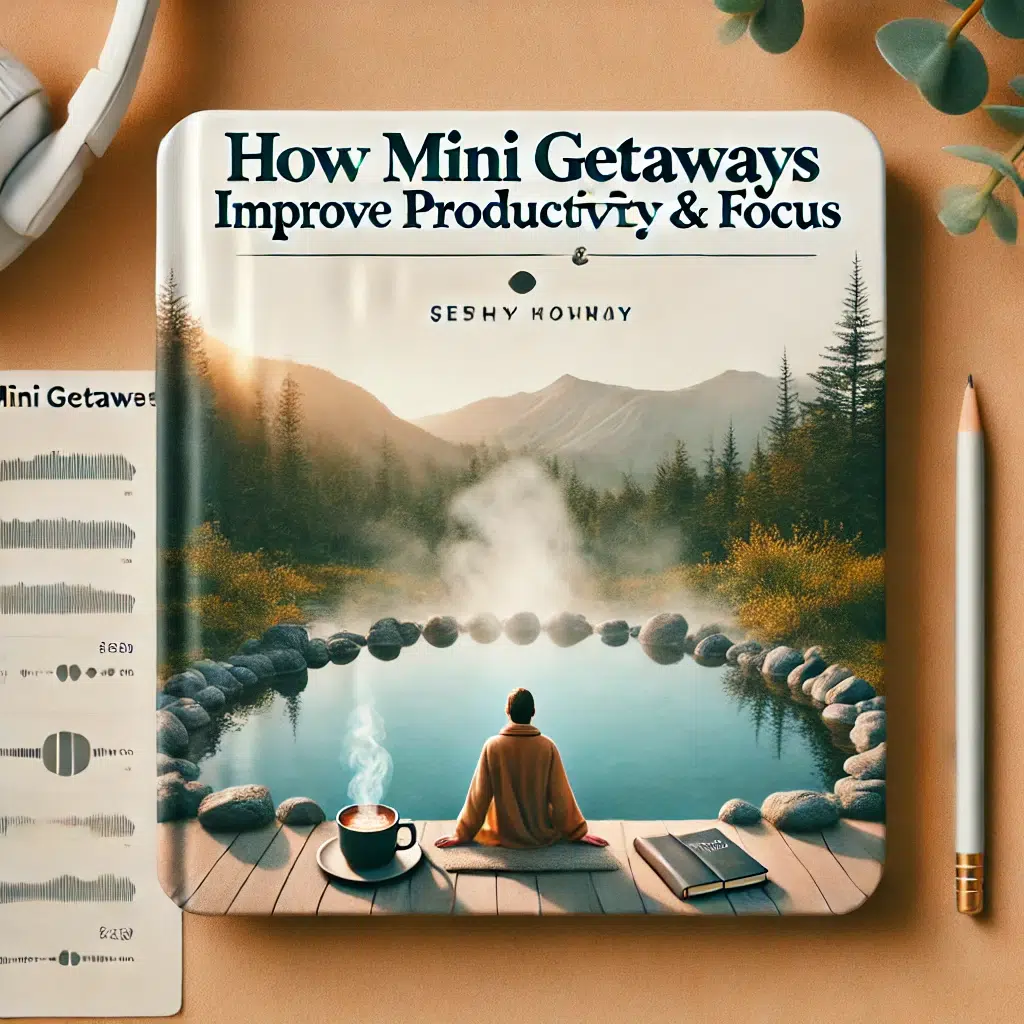
Weekend Nature Escapes Beat Week-Long Luxury Vacations

Test Gadget Preview Image

You’ve been grinding for months. Your shoulders carry the weight of deadlines, your mind races with to-do lists, and that vacation you’ve been promising yourself keeps getting pushed back because “who has time for a real break?”

What if you’ve been thinking about vacations all wrong?

The assumption that rejuvenation requires extended time off isn’t just outdated—it’s contradicted by science. Research increasingly shows that short, strategically planned nature immersions can provide mental restoration comparable to much longer getaways.

The 48-Hour Reset Your Brain Actually Needs

Your brain processes natural environments differently than urban or office settings. Within just 20 minutes of entering a natural environment, cortisol levels begin to drop. After 48 hours, something more profound happens.

According to attention restoration theory, developed by environmental psychologists Rachel and Stephen Kaplan, nature engages what they call “soft fascination”—a state where your attention is captured without effort. Unlike the “directed attention” demanded by work tasks, soft fascination allows cognitive resources to replenish.

Two days is actually the sweet spot.

Researchers from the University of Michigan found that after just 48 hours in nature, participants showed a 20% improvement in cognitive performance. The brain doesn’t necessarily benefit proportionally from longer exposure—meaning your weekend trip might deliver similar cognitive benefits to someone’s two-week adventure.

Why Hot Springs Amplify The Weekend Effect

When you combine natural settings with thermal water immersion, the restorative effects multiply. Hot springs activate parasympathetic nervous system responses—literally flipping your body’s switch from “fight or flight” to “rest and digest.”

The heat dilates blood vessels, improving circulation while the mineral content—often including magnesium and lithium—has natural calming properties. This physiological response accelerates the mental reset that might otherwise take days to achieve.

Your muscles relax. Your mind follows.

The Scenic Backdrop Is More Than Just Pretty

Those Instagram-worthy views do more than garner likes—they trigger specific neurological responses. When you gaze at expansive natural vistas, your brain releases dopamine while simultaneously reducing activity in the prefrontal cortex—the brain region associated with rumination and worry.

Researchers at Stanford found that people who viewed scenic natural environments showed decreased activity in brain regions associated with depression compared to those who viewed urban scenes.

You don’t need to stare at the Grand Canyon for two weeks to get this effect. A single sunset or mountain vista delivers immediate benefit, with cumulative effects building throughout your weekend.

The Time-Perception Paradox

Weekend nature trips also benefit from what psychologists call the “vacation paradox”—novel experiences make time feel expanded. When every sight, sound, and sensation is removed from your routine, your brain creates more distinct memories. This makes 48 hours in an unfamiliar natural setting feel substantially longer than the same period at home.

Meanwhile, extended vacations often suffer from diminishing returns. By day five of a beach vacation, the novel becomes routine. That remarkable shoreline becomes background.

Making Your 48 Hours Count

To maximize your weekend nature reset:

Prioritize locations within a 2-3 hour travel radius to minimize transit time. Look for destinations combining multiple restorative elements—like mountains with hot springs or forests with lakes.

Disconnect completely. A University of California study found that people who unplugged from digital devices during nature experiences showed twice the restoration benefits compared to those who remained connected.

Don’t overschedule. Leave room for spontaneity and natural rhythms rather than packing your weekend with activities.

The mental weight you’ve been carrying doesn’t require two weeks to set down. Sometimes, just 48 hours in the right environment is enough to return with fresh perspective, renewed energy, and the mental clarity that seemed so elusive before.

Your ideal vacation isn’t waiting for that mythical “someday” when you have enough time. It’s waiting this weekend, just a short drive away. So are you ready to reset and recharge? www.privatehotsprings.com 

Mini Vacations and Strategies for Wellbeing and Productivity

Mini Vacations and Strategies for Wellbeing and Productivity

Paola Cecchi-Dimeglio’s article in Forbes explores optimal vacation strategies for leaders to maximize both well-being and productivity. It highlights research suggesting shorter, more frequent breaks can be as effective as longer vacations for restoration. The article provides seven tips for leaders, including reflecting on past experiences, assessing current needs, and planning around organizational demands. It emphasizes the importance of engaging in quality activities, staying present, and balancing work with personal life. Ultimately, mindful vacation planning, whether for short or longer trips, is crucial for leaders to maintain high performance and set a positive example for their teams.

Bookings@privatehotsprings.com Book your mini vacation to recharge.

#PaolaCecchi-Dimeglio #forbes

Brought to you by www.privatehotsprings.com

Podcast 20:30 min

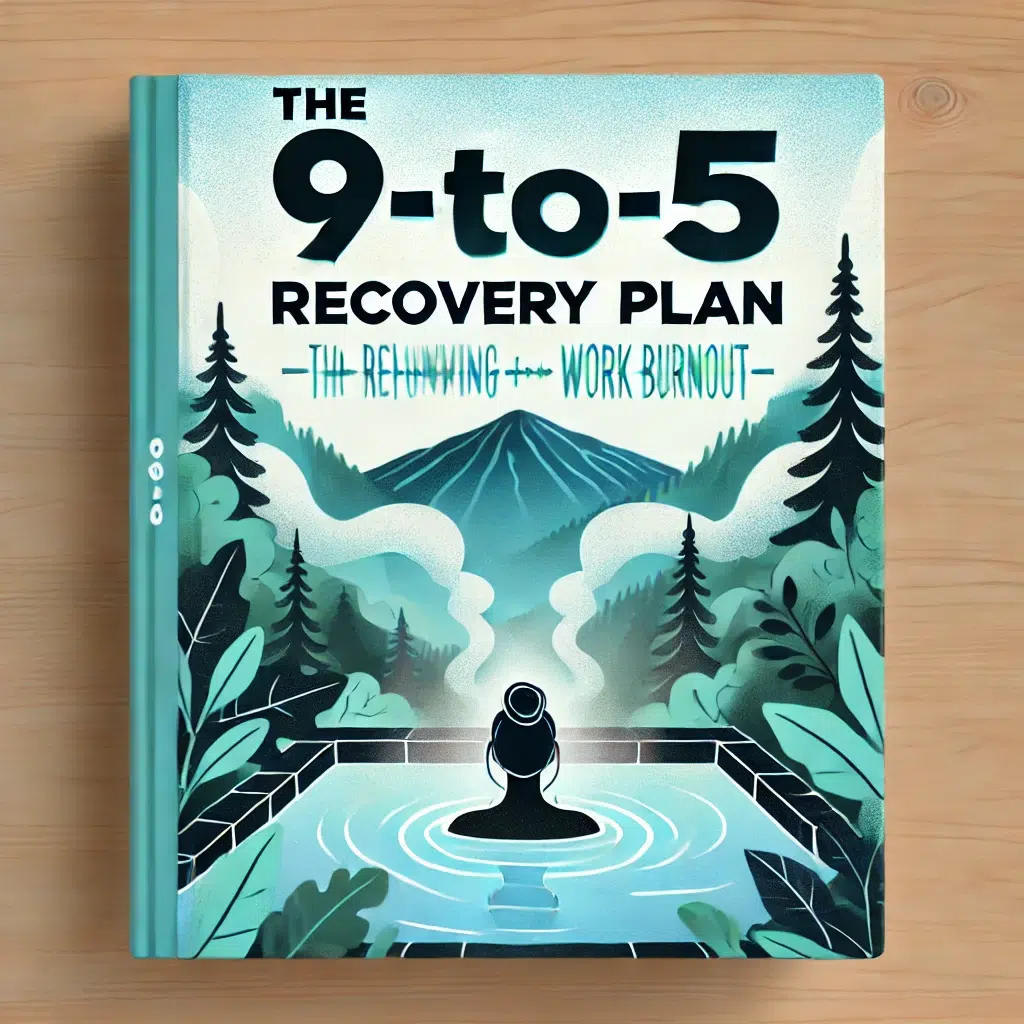
Are you looking for a 9-to-5 Recovery Plan: Reversing Burnout Without Quitting Your Job? Tired or burnout? We got a plan for you!

Are you looking for a 9-to-5 Recovery Plan: Reversing Burnout Without Quitting Your Job? Tired or burnout? We got a plan for you!

The 9-to-5 Recovery Plan” is a podcast focusing on burnout prevention without quitting a job. The podcast will feature two hosts and incorporate insights from Dr. Christina Maslach’s research on burnout. It will explore indicators of burnout and offer practical strategies for managing stress through expert interviews. One proposed stress relief technique involves visiting natural hot springs. The podcast intends to motivate listeners to prioritize well-being by urging them to participate in taking restorative breaks.

Brought to you by www.privatehotsprings.com and www.kootenayhotsprings.com

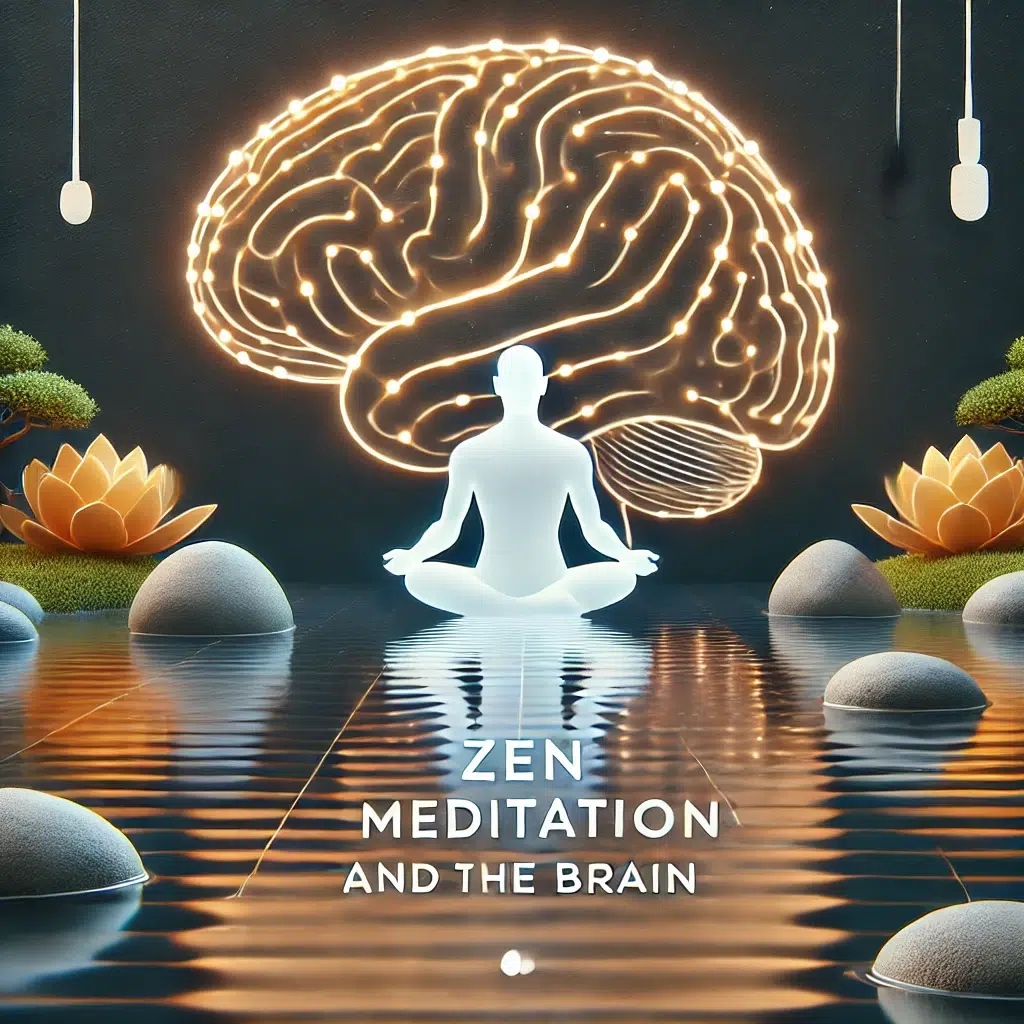
Zen Meditation: Brain Benefits & Hot Springs Getaway

Zen Meditation: Brain Benefits & Hot Springs Getaway

The podcast will explore the advantages of meditation and the core principles of Zen. It aims to incorporate scientific evidence, particularly referencing neuroscientist Rahul Jandial, to support the benefits of meditation on the brain. The episode concludes with a call to action promoting private hot springs, touting them as a perfect Zen escape due to their serene setting and glacier lake views.

Brought to you by privatehotsprings.com & www.drinklithios.com

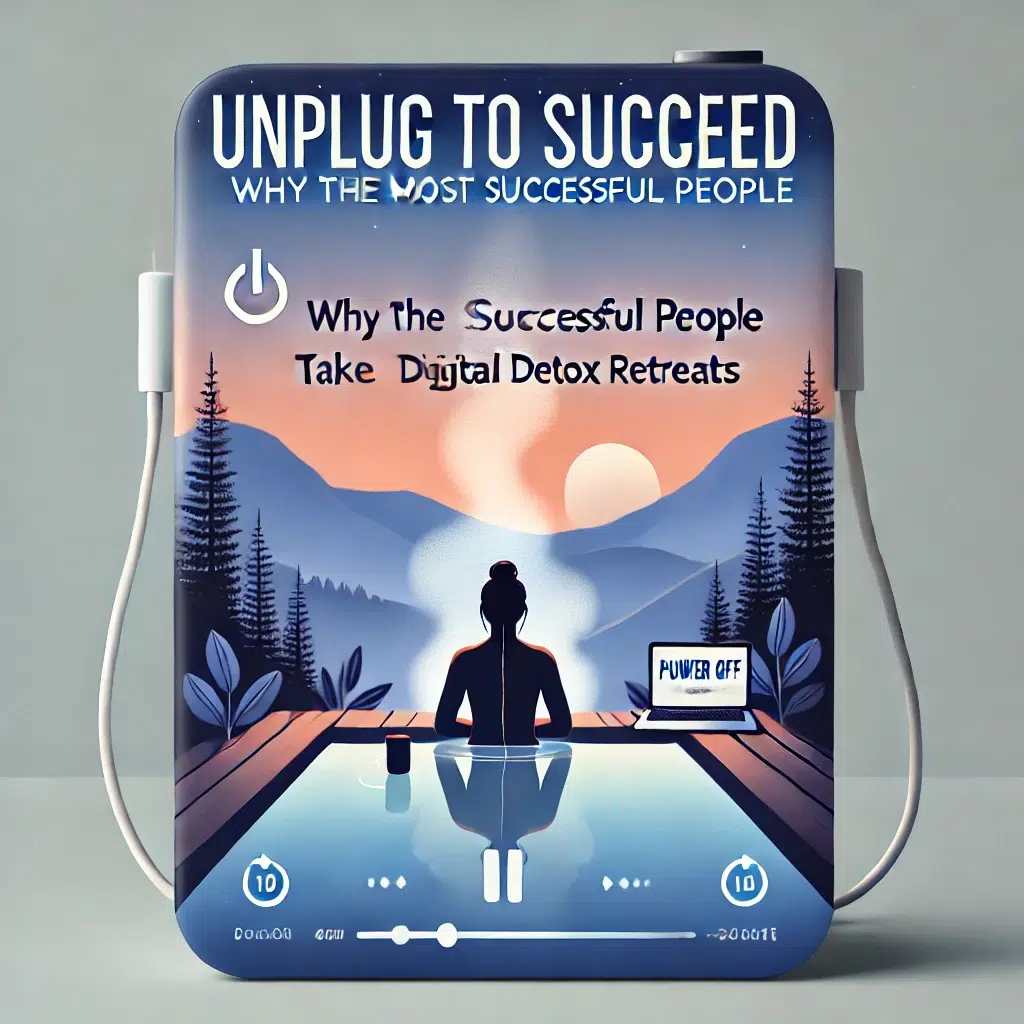
Unplug to Succeed: Why the Most Successful People Take Digital Detox Retreats

Unplug to Succeed: Why the Most Successful People Take Digital Detox Retreats

This podcast episode explores the benefits of digital detox retreats for high achievers, drawing inspiration from “Digital Minimalism” and successful entrepreneurs. It highlights how removing screens and distractions can boost productivity. Listeners will learn practical steps to create their own digital detox. The episode also promotes Kootenay Hot Springs and Private Hot Springs as ideal destinations for unplugged experiences. It references a famous celebrity Ed Sheeran to emphasize the appeal of disconnecting. 

Brought to you by www.privatehotsprings.com & www.kootenayhotsprings.com

Exclusive Escapes: Why Privacy & Respect Matter at Private Hot Springs

Exclusive Escapes: Why Privacy & Respect Matter at Private Hot Springs

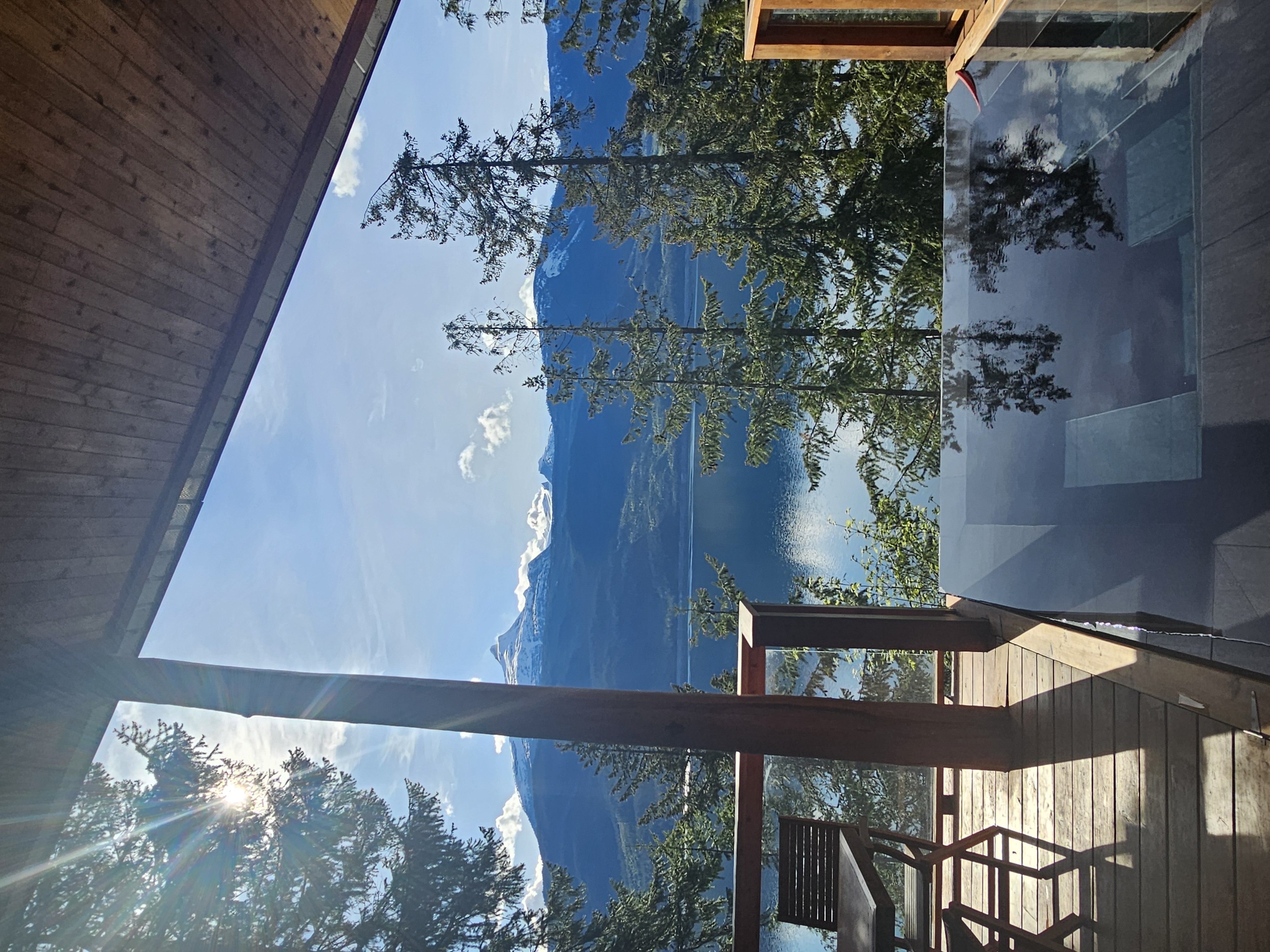
Looking for a unique getaway? At privatehotsprings.com and kootenayhotsprings.com, we offer exclusive, private hot springs rentals. This means you get the hot springs all to yourself with no shared facilities. These rentals are not a resort and are run privately, meaning they are exclusive to only private hot springs. Because it’s all private and exclusive, privacy and respect matters.

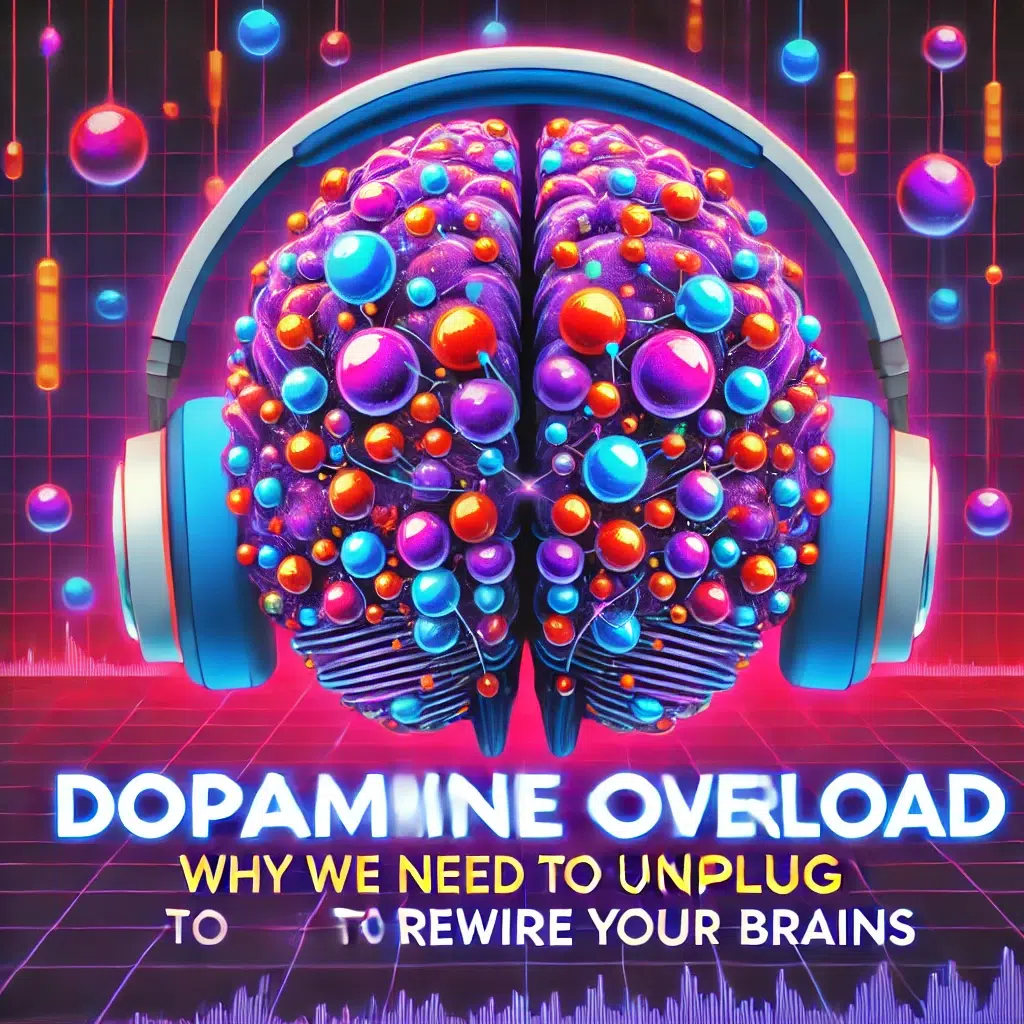
Dopamine Overload: Rewiring Our Brains Through Unplugging

Dopamine Overload: Rewiring Our Brains Through Unplugging

The podcast “Dopamine Overload: Why We Need to Unplug to Rewire Our Brains” explores the effects of dopamine-driven habits, like social media use and work addiction. It examines the imbalance in reward systems, referencing Dr. Anna Lembke’s research, detailed in Dopamine Nation.. The podcast also explores dopamine detoxing methods and how they might restore innate motivation.

Brought to you by privatehotsprings.com & Lithios Beverages

The Burnout Epidemic: Neuroscience, Chronic Stress, and Resilience

The Burnout Epidemic: Neuroscience, Chronic Stress, and Resilience

This podcast episode explores the “Burnout Epidemic” and its neurological underpinnings. It features insights from Dr. Andrew Huberman and Dr. Gabor Maté on how chronic stress physically alters the brain. The discussion centers on the development of cognitive fatigue as a result of these neurological changes. Listeners will learn actionable methods for resetting their nervous systems and building lasting resilience. 

Brought to you by privatehotsprings.com and Sponsored by Lithios Beverages

Hot Springs: Nature’s Detox for Skin & Organ Health

Hot Springs: Nature’s Detox for Skin & Organ Health

Dive into the science of mineral absorption through the skin, detoxification via sweating, and how trace minerals in hot springs can support liver and kidney function. Brought to you by privatehotsprings.com and Sponsored by Lithios Beverages.